Campers without a coffee brewer
If you can heat water and have a mug and spoon, instant coffee lets you prepare a cup without packing a cafetière. Check that the container can be closed again for the rest of the trip.


Choose an instant-coffee jar if you will have hot water, a mug and a spoon but do not want to pack a coffee brewer: the granules dissolve in the cup. Choose coffee bags if you specifically want brewed ground coffee without a cafetière; they still need time to brew. For a jar, match the pack size to your trip and check how it should be closed and stored after opening.
The useful distinction is whether you want soluble coffee or a cup brewed from ground coffee; neither format removes the need for hot water.
If you can heat water and have a mug and spoon, instant coffee lets you prepare a cup without packing a cafetière. Check that the container can be closed again for the rest of the trip.
Coffee bags offer a way to brew ground coffee in a mug without a cafetière. Allow for the brewing instructions on the particular pack: Tesco lists a four-minute brew for Taylors Italian Coffee Bags.
Estimate how many cups the group will make before choosing a pack. Sainsbury's lists 55 servings for its 200g Gold Roast instant-coffee jar; a refill pouch is another option if you already have the appropriate container.
Settle the brewing method first, then compare the quantity and storage instructions against your trip plans.
Choose it when: You want coffee that dissolves in a mug without a separate brewer.
Bear in mind: Soluble instant coffee is not brewed ground coffee, even if a search result calls it filter coffee.
Choose them when: You want to brew ground coffee in a mug without packing a cafetière.
Bear in mind: Brewing takes time; Tesco's instructions for Taylors Italian Coffee Bags specify four minutes.
| Priority | What to check | Your needs |
|---|---|---|
| Coffee format | Check whether the pack contains soluble instant coffee or ground coffee in bags. Read the preparation directions rather than relying on the words “filter coffee” in a search result. | I want a cup made from ground coffee, so coffee bags fit my brewing preference; if I want granules that dissolve directly, I will look for instant coffee instead. |
| Camp equipment | Plan for hot water, a mug and a spoon. For coffee bags, also check the pack's water and brewing directions. | I have room for the basics but not a cafetière; I need to choose a format I can prepare with what I am taking. |
| Pack quantity | Compare stated pack weight and servings where given, then estimate cups for the people and days on your trip. Sainsbury's lists 55 servings for its 200g Gold Roast jar. | For a short trip, I do not want to carry more coffee than I expect to use; for a group, I need enough portions for everyone. |
| Storage and refills | Read the instructions for closing and storing an opened pack. Sainsbury's says to replace the cap on its Gold Roast jar; the Douwe Egberts Pure Gold 150g pouch is intended to refill the brand's stopper jar. | I need a container I can close between cups. A refill pouch makes more sense to me if I already have the jar it is meant to fill. |
| Decaffeinated choice | Check that the exact variant is labelled decaffeinated, along with its preparation and storage directions. Do not assume two differently named packs have identical instructions. | When I prefer decaffeinated coffee, I will check the specific pack rather than choosing by jar size alone. |
Freeze-dried instant coffee dissolves in water, while a coffee bag holds ground coffee that must brew. Buying an instant jar will not give you the ground-coffee method you had in mind.
Choose the preparation method before choosing the pack: look for an instant jar for soluble coffee, or ground-coffee bags for mug brewing.
Instant-coffee instructions still call for hot water and stirring. Coffee bags also need hot water and a mug.
Check that you can heat water at your campsite, and pack a mug and spoon before relying on either format.
A pack's weight does not tell you how many cups your group plans to make. Sainsbury's states 55 servings for its 200g Gold Roast jar, which gives you a pack-specific figure to compare with your plans.
Estimate cups per person across the trip and check any serving guidance on the pack you intend to buy.
An opened pack still needs to be stored as its label directs. M&S specifies cool, dry storage for its Gold Instant Coffee, while Sainsbury's tells buyers to replace the cap on Gold Roast.
Read the current physical label before departure, then keep the coffee closed and follow its storage instructions at camp.
These examples illustrate different coffee formats and pack sizes, not a ranking of brands or a list of Joybuy stock.
Its Gold Roast 200g product is an instant-coffee jar with stated serving and preparation guidance.
The Pure Gold 150g instant-coffee refill suits someone who already has the brand's stopper jar.
Gold Instant Coffee is a 100g option for a camper considering a smaller pack.
Gold Instant Coffee 200g is another supermarket instant-coffee option.
Its coffee bags are an alternative to an instant jar for brewing ground coffee in a mug.
Prontissimo Bilanciato is a soluble instant-coffee option in a 300g pack.
These options cover portioned coffee bags for campers considering brewed coffee and decaffeinated coffee packs for those considering the instant-coffee route. Check each pack's preparation and storage directions before choosing.
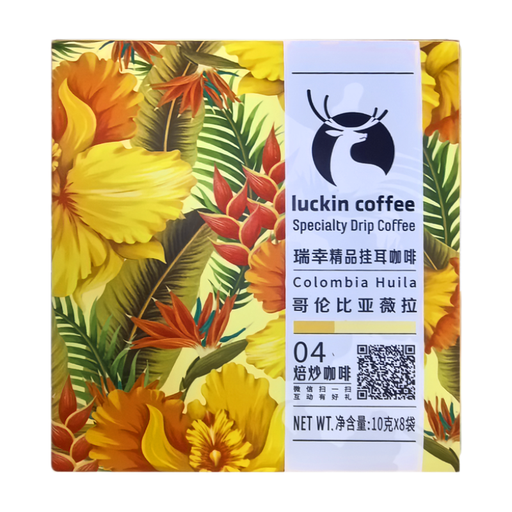 No image available
For a trip where you want portioned filter coffee rather than instant granules, the named pack contains eight 10g bags. Check the pack's brewing directions and the equipment they call for.
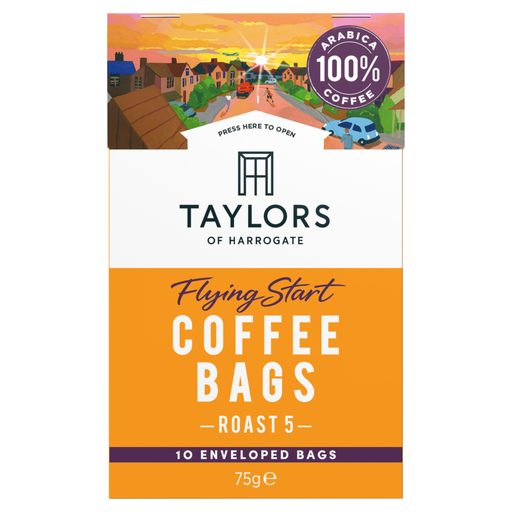 No image available
Consider these coffee bags if you want a brewed-coffee format without packing a cafetière. The named pack is 75g; check its bag count and brewing directions when planning portions.
 No image available
This 300g decaffeinated variant is an option to consider if you prefer decaf coffee on a longer trip. Check the specific pack's preparation directions, closure and storage instructions.
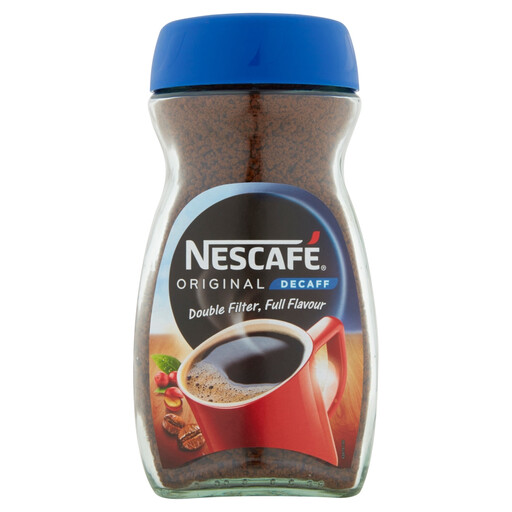 No image available
If you prefer a 200g decaffeinated pack to a larger one, compare the amount with the cups you expect to make. Read this variant's label for preparation, closure and storage directions.
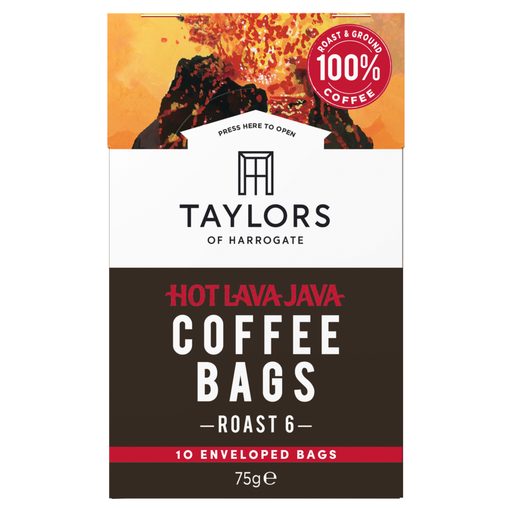 No image available
These 75g coffee bags offer another bag-format choice for a trip without a cafetière. Check the physical pack's brewing and storage directions, including any serving instructions, before packing it.
No. Instant-coffee granules dissolve in water; filter-style coffee is brewed from ground coffee. If the brewing method matters to you but you do not want a cafetière, look at ground-coffee bags rather than an instant jar.
You need a way to heat water, a mug and a spoon, as well as the coffee. For its Gold Roast instant jar, Sainsbury's advises one teaspoon per cup, hot rather than boiling water, and stirring; follow the directions on the pack you take.
Follow that jar's label and close it after use. M&S specifies cool, dry storage for Gold Instant Coffee, while Sainsbury's says to replace the cap on Gold Roast; check the physical pack for its current instructions and best-before information.
Yes, if you want to brew ground coffee in a mug rather than dissolve instant granules. Tesco describes Taylors Italian Coffee Bags as individually wrapped and specifies a four-minute brew; check the directions for the particular bags you buy.