
24/7 全天候客户支持

免费退货

当日/次日达

品质保障

开启新人专享福利: 全场免邮 | 低至 2 折 | 免费试用 30 天 JoyPlus 会员
下载 Joybuy
A hot meal or a steaming brew can transform a challenging day on the trail, especially when faced with the UK's famously unpredictable weather. Yet, selecting the right camping cooking system can feel like navigating a minefield of marketing claims and confusing specifications. Many well-intentioned hikers end up with gear that is either too heavy, too flimsy or frustratingly inefficient.
Before you invest, it is wise to be aware of a few common purchasing pitfalls that can lead to disappointment and wasted money.
To make a sound choice, focus on the practical features that deliver real-world performance. Analysing these core parameters will help you find a reliable backpacking stove kit that meets the demands of UK trails.
The true measure of a compact stove is not just its own dimensions, but how the entire system packs away. A well-designed solo cooking system employs a nestable design, where the burner, a small gas canister (typically 100g-110g) and a stand all fit neatly inside the cooking pot. This "nesting doll" approach dramatically reduces the volume your cooking gear occupies in your rucksack, freeing up space and making packing simpler.
Wild camping in the UK often involves wind and cold, two factors that can cripple a stove's performance. This is where a windproof camping stove with an integrated heat exchanger becomes invaluable. This feature is a ring of metallic fins at the base of the pot that captures and directs heat from the burner, preventing it from being blown away. This technology can significantly reduce boil times and cut fuel consumption, meaning a single gas canister lasts longer.
A wobbly stove is a serious safety hazard, risking scalds or a lost meal. When assessing wild camping gear, check the stability of the entire setup. An all-in-one camping stove should have a secure locking mechanism between the pot and the burner. For all stove types, a wide, stable base that connects to the gas canister is essential for use on the uneven, boggy or rocky ground commonly found in the British uplands.
To help you match a system to your specific needs, we have identified several options that align with different types of outdoor enthusiasts.
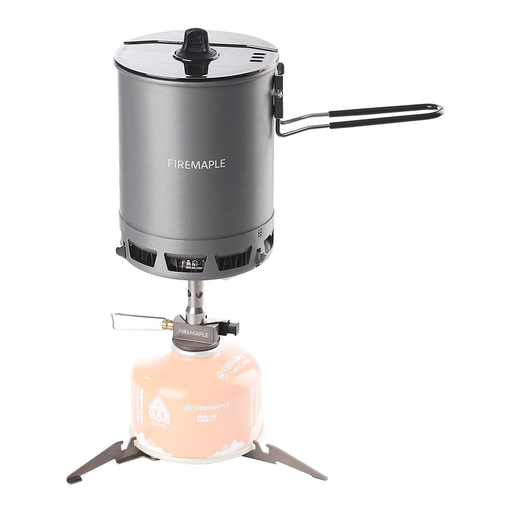
Why This Fits Their Persona: This user prioritises low pack weight and volume above all else for long-distance treks. The 600ml capacity is sufficient for one person's rehydrated meals and hot drinks, and the entire system is exceptionally light and compact.
It sidesteps the "ultralight illusion" by providing a complete, stable and efficient system at only 265 grams. The fully nestable design means you get a practical cooking solution, not just a feather-light burner that performs poorly in the field.
The efficient heat exchange pot shortens boiling times in windy conditions. Its three-slot base provides a stable footing on uneven terrain, a crucial safety feature for solo campers.
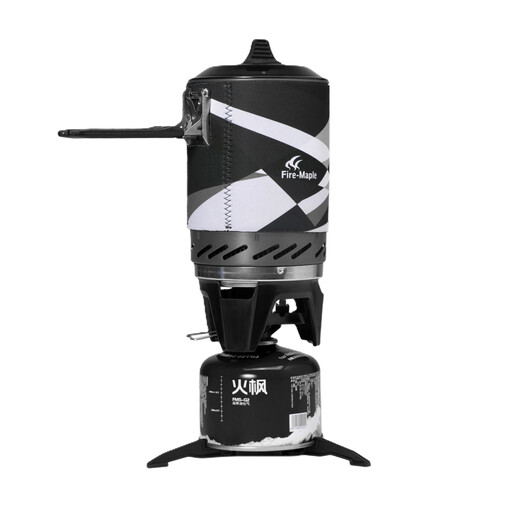
Why This Fits Their Persona: This hiker ventures out in all four seasons and needs a reliable system that performs in wind, rain and cold. The 1L capacity offers more versatility for melting snow or preparing larger meals after a strenuous day.
It directly counters the "fuel guzzler" trap. The optimised heat exchange technology is specifically designed to maximise fuel efficiency, a critical factor for winter camping or long trips where carrying less fuel is a priority.
Its main benefit is the high-performance heat exchanger that withstands windy conditions. The system is also versatile, with an included pot support that allows you to use other standard camping pans with the burner.
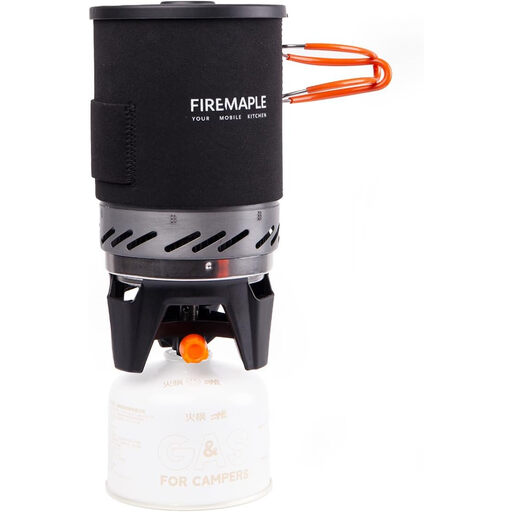
Why This Fits Their Persona: This individual is new to backpacking or wild camping and wants a reliable, effective system without a significant initial investment. They need a product that works well and will last, representing good value.
This system avoids the trap of buying cheap, separate components that fail quickly. It provides the core benefits of a modern, integrated cooking system—efficiency and packability—at a more affordable price point, ensuring a good first experience.
It delivers excellent value by including essential heat exchange technology for improved fuel efficiency. The minimalist, nestable design ensures it is just as packable as more premium models.
We have compiled a complete, real-time list of products that fully satisfy these strict selection criteria and UK safety regulations.
This depends heavily on conditions (wind, temperature) and usage. However, with an efficient system featuring a heat exchanger, a 100g canister can typically boil between 10 and 12 litres of water. For a solo hiker on a weekend trip, this is usually enough to boil water for 2-3 hot meals and several hot drinks per day.
Titanium offers an excellent strength-to-weight ratio, making it a popular choice for those counting every gram. It is durable and lighter than aluminium. However, it is a poorer conductor of heat, which can lead to hot spots and make simmering food difficult. For most users, a hard-anodised aluminium system offers a great balance of durability, weight and cooking performance at a lower cost.
An integrated system, like the ones recommended above, features a pot that locks directly onto a burner, often with a built-in heat exchanger and windshield. This creates a single, highly efficient unit. A separate stove and pot offer more flexibility to mix and match components from different brands, but this setup is generally less stable, less efficient in wind and requires you to assemble a windshield, burner and pot support separately.