Campers planning shared meals
Individual cans can be easier to hand out with sandwiches, barbecue food or an evening meal, especially when everyone is not drinking at once. Tesco Groceries lists both 150 ml mini cans and 330 ml can multipacks.


For a camping meal where people will drink at different times, individual cans let you open one portion at a time; a larger bottle makes more sense when the group will share it promptly. Choose flavours around the group’s preferences, then check the exact variant for sugar, sweeteners and caffeine: zero-sugar and caffeine-free are separate claims.
Individual cans can be easier to hand out with sandwiches, barbecue food or an evening meal, especially when everyone is not drinking at once. Tesco Groceries lists both 150 ml mini cans and 330 ml can multipacks.
Regular and zero-sugar versions of a familiar flavour can have different nutrition and ingredients. Check the figures per 100 ml on the exact pack, as well as any sweetener statements.
A zero-sugar cola is not necessarily caffeine-free. Anyone who needs to avoid caffeine or phenylalanine should check the named variant and keep its ingredient label available when sharing drinks.
Start with the flavours people will drink, then compare labels and choose portions that fit the meals and carrying space you have planned.
| Priority | What to check | Your needs |
|---|---|---|
| Flavour | Decide whether to pack cola, lemon-and-lime, orange or another fruit flavour. Check the precise flavour and variant rather than assuming one brand covers every preference. | I’d like a non-cola choice alongside the drinks people usually pick for a meal. |
| Sugar and sweeteners | Compare sugars per 100 ml and read the ingredients. Coca-Cola GB lists 10.6 g sugars per 100 ml for Original Taste; Pepsi UK lists 0 g for Pepsi Max, which contains sweeteners and carries a source-of-phenylalanine statement. | Some of us want a drink without sugar, while others may prefer the regular version. I need to check the ingredients before sharing a zero-sugar drink with someone who has a relevant dietary requirement. |
| Caffeine | Check for a caffeine-free statement on the exact variant. Pepsi UK identifies Pepsi Max Caffeine-Free as containing zero caffeine and zero sugar; standard Pepsi Max lists caffeine among its flavourings. | If someone is avoiding caffeine, I’ll choose a specifically labelled caffeine-free option rather than relying on a zero-sugar label. |
| Portions and packing | Match can size and pack count to the number of servings. Tesco Groceries lists 150 ml mini cans, 330 ml cans, multipacks and larger bottles; consider how you will carry and keep an opened bottle upright. | We may drink at different times, so sealed individual portions could be more practical than opening one large bottle for everyone. |
Sugar, sweeteners and caffeine vary by formulation. Coca-Cola GB lists 10.6 g sugars per 100 ml for Original Taste, while Pepsi UK lists 0 g for Pepsi Max.
Compare the nutrition and ingredient panels for the exact drinks you intend to pack, not just their brand names.
Pepsi Max and Sprite Zero are among the zero-sugar drinks whose labels identify sweeteners and a source of phenylalanine.
Keep the packaging available at camp so people can check the label before taking a drink.
A bottle shared at one meal presents a different choice from individual cans opened across the day. Tesco Groceries lists both can multipacks and larger bottle formats.
Count the portions needed for each meal. If you choose a bottle, plan when the group will share it and where you will store it after opening.
The Department for Environment, Food & Rural Affairs’ May 2025 policy statement schedules a consumer deposit-return scheme for England, Northern Ireland and Scotland for October 2027. It covers specified PET plastic, steel and aluminium drinks containers from 150 ml to 3 litres; Wales has separate arrangements.
For an October 2026 trip, make space to bring empty containers back from the campsite and check the local recycling arrangements. Check Welsh guidance separately if camping in Wales.
These examples help distinguish formulations and flavours; a brand name alone does not tell you what is in every variant.
A cola choice with regular and zero-sugar formulations.
Zero-sugar cola options, including a specifically named caffeine-free variant.
A lemon-and-lime alternative to cola, with regular and zero-sugar versions.
Orange-flavoured options for a group that wants a non-cola drink.
A distinct fruit-flavoured sparkling option in regular and zero versions.
An own-label reference when comparing drink types and container sizes before a trip.
These can multipacks cover regular cola, zero-sugar cola, a caffeine-free cola variant and fruit-flavoured drinks for individually portioned campsite meals.
 No image available
A cola option for a group seeking both zero sugar and no caffeine, packed as 24 individual 330 ml cans. Pepsi UK identifies this named variant as caffeine-free; its label identifies sweeteners and a source of phenylalanine.
 No image available
Zero-sugar cola in 24 individual 330 ml cans for separate servings with meals. Pepsi UK lists 0 g sugars per 100 ml and per 330 ml can; standard Pepsi Max lists caffeine flavouring, sweeteners and a source of phenylalanine.
 No image available
Regular cola in 24 individual 330 ml cans for a group meal. Coca-Cola GB lists 10.6 g sugars per 100 ml for Original Taste and includes caffeine flavouring, so choose a different variant if either is a concern.
 No image available
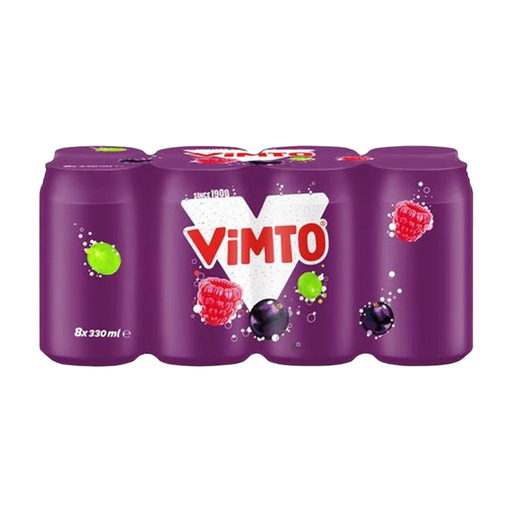
A fruit-flavoured, non-cola choice in eight individual 330 ml cans. Check the exact pack’s ingredient label if barley or caffeine matters to anyone sharing the drinks.
 No image available
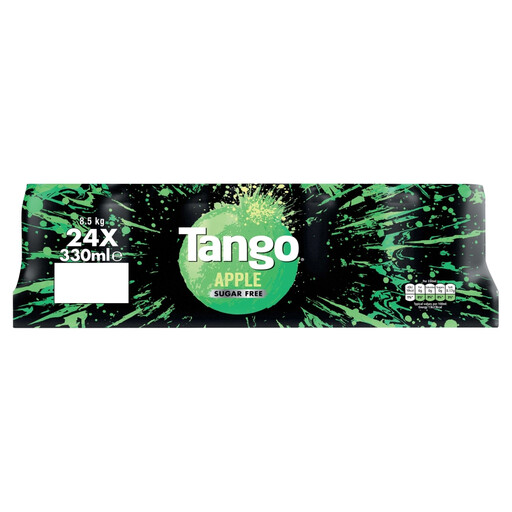
A sugar-free, apple-flavoured alternative to cola in 24 individual 330 ml cans. Check the exact pack’s sweeteners and caffeine information if either matters to the group.
Take cans if people will drink at different times and you want to open one portion at a time. A larger bottle may suit a group sharing a drink promptly; plan where it will stand after opening and how you will keep it cool. Tesco Groceries lists both 150 ml and 330 ml cans as well as larger bottles.
Look for a specifically named caffeine-free variant rather than assuming zero sugar also means no caffeine. Pepsi UK identifies Pepsi Max Caffeine-Free as containing zero sugar and zero caffeine; check its sweetener ingredients and source-of-phenylalanine statement on the pack.
The cited Pepsi Max and Sprite Zero ingredient information lists the sweetener aspartame and states that the drinks contain a source of phenylalanine. If someone needs to avoid phenylalanine, check the label of every selected flavour and variant before sharing it.
Do not assume the planned scheme for England, Northern Ireland and Scotland is operating for that trip. The Department for Environment, Food & Rural Affairs’ May 2025 policy statement schedules consumer use for October 2027 and specifies PET plastic, steel and aluminium drinks containers from 150 ml to 3 litres. Check separate local guidance when camping in Wales, and plan to bring your empty containers back for appropriate recycling.