
24/7 全天候客户支持

免费退货

当日/次日达

品质保障

开启新人专享福利: 全场免邮 | 低至 2 折 | 免费试用 30 天 JoyPlus 会员
下载 Joybuy
Getting the right camping gear can be the difference between a memorable adventure in the British countryside and a damp, frustrating weekend. The market is flooded with equipment, and it's easy to fall for marketing claims that don't hold up to a drizzly night in the Peak District. As a Joybuy Product Recommendation Officer, my role is to help you see past the hype and choose equipment that is practical, durable and right for your needs.
Before you spend your hard-earned money, let's look at three common pitfalls that catch out even seasoned campers.
To avoid these traps, you need to look beyond the marketing and focus on a few key technical details. Understanding these will empower you to select reliable hiking equipment and outdoor furniture.
The most reliable measure of a fabric's water resistance is its Hydrostatic Head (HH) rating, usually given in millimetres (e.g., PU2000mm). This number indicates how much water pressure the fabric can withstand before it starts to leak.
Always look for this PU rating and check for taped seams, which prevent water from leaking through the stitching.
The choice of material is critical for both weight and longevity. When assessing an ultralight backpack or lightweight tent, don't just look at the total weight; consider what it's made from.
A product's packed dimensions are only half the story. A truly portable item should be simple to set up and, crucially, easy to pack away. Look for features like colour-coded poles on tents, single-motion folding mechanisms on chairs and roll-top tables that separate from their frames for a genuinely manageable packed size.
Based on these practical criteria, here are a few recommendations matched to different types of outdoor enthusiasts.
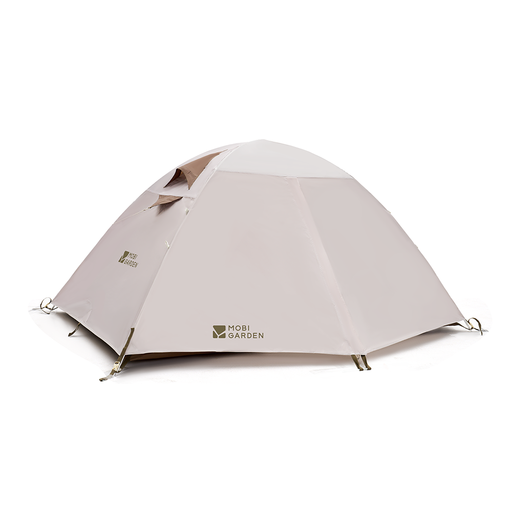
Why This Fits Their Persona: Ideal for casual hikers, festival-goers or those starting their camping journey. It offers reliable 3-season protection without the premium price tag of an ultralight expedition tent. It's a dependable shelter for typical UK weekend trips.
It sidesteps the "waterproof illusion" with a clearly stated PU2000mm outer and PU4000mm groundsheet rating. The aluminium alloy frame avoids the flimsy pole trap, providing stability in windy conditions.
A solid balance of weather protection, durability and a reasonable weight (2.64 kg). The packed size is compact enough for carrying over shorter distances.
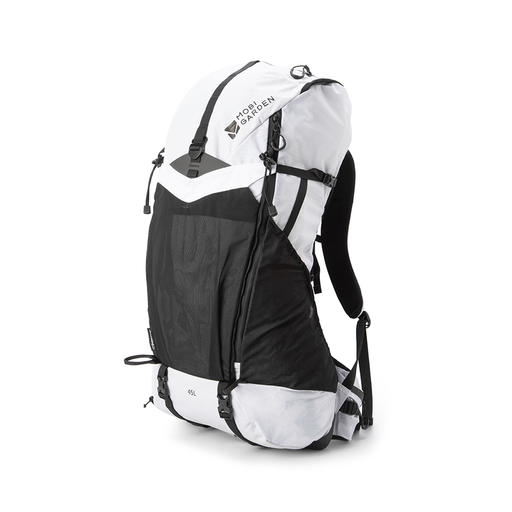
Why This Fits Their Persona: For the serious hiker covering long distances, every gram counts. This pack is built for those who prioritise performance and low weight for multi-day treks on routes like the West Highland Way or Coast to Coast Path.
It directly counters the "ultralight but fragile" pitfall by using Dyneema composite fabric, which is renowned for its exceptional strength-to-weight ratio and resistance to abrasion from rock and scree.
Genuinely ultralight (approx. 1.35 kg) for a 45L capacity. The 3D suspended back panel enhances ventilation, reducing sweat and increasing comfort on strenuous climbs.
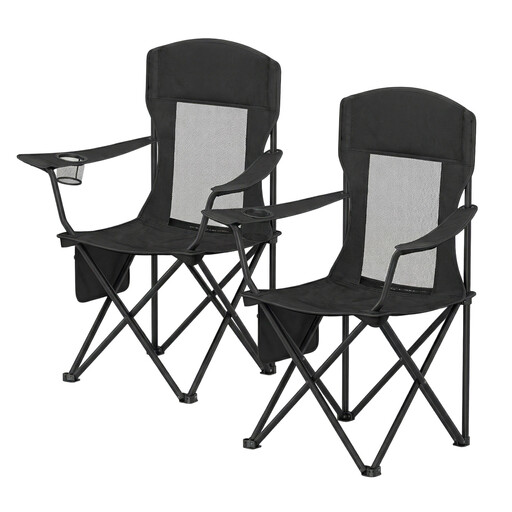
Why This Fits Their Persona: When you're camping with a car, comfort and stability trump minimal weight. This set is perfect for families who want a reliable and comfortable seating area for meals, relaxing and enjoying the campsite.
This chair doesn't pretend to be for backpacking. It avoids the "ultralight durability gamble" by using a sturdy steel frame, prioritising a high weight capacity (150 kg) and stability over shaving off grams.
Focuses on user comfort with a high back, quick-dry mesh and a built-in cup holder. The simple folding design and included carry bags make transport from the car to the pitch straightforward.
We have compiled a complete, real-time list of products that fully satisfy these strict selection criteria and UK safety regulations.
A PU2000mm rating means the tent fabric can withstand a 2,000 mm column of water before it begins to leak. For practical purposes in the UK, this is a solid benchmark for a 3-season tent. It will comfortably handle the persistent, moderate rain you might encounter on a typical weekend, keeping you dry. Anything less than 1500mm is a risk for anything more than a brief summer shower.
For a multi-day hike where you are carrying all your own equipment, a good target for your base weight (your pack weight before adding food and water) is under 10 kg. An ultralight backpack itself should weigh between 1-1.5 kg. A lightweight tent for one or two people should ideally be under 2 kg. Achieving this requires careful selection of every piece of hiking equipment, prioritising items with a good strength-to-weight ratio.
While bundles can seem convenient, they often include compromises. One item might be high quality, while another is subpar. Buying gear individually allows you to tailor your kit to your specific needs, as outlined in this guide. You can invest in a high-quality tent that meets the right waterproof standard, choose a backpack that fits you perfectly and select a sleeping system that matches the conditions you'll be facing. This approach ensures every piece of your kit is a worthwhile investment.