
24/7 全天候客户支持

免费退货

当日/次日达

品质保障

开启新人专享福利: 全场免邮 | 低至 2 折 | 免费试用 30 天 JoyPlus 会员
下载 Joybuy
Getting the right camping gear can be the difference between a memorable adventure in the great outdoors and a weekend spent cold, wet and frustrated. With so many products on the market, it's easy to fall for marketing hype and end up with equipment that isn't fit for purpose, especially in the unpredictable British weather. As a Joybuy Product Recommendation Officer, my role is to help you cut through the clutter and focus on what truly matters.
Before you spend your hard-earned money, let's look at a few common pitfalls that catch out even seasoned campers.
To avoid these traps, you need to understand a few core parameters. These are the non-negotiable features that define quality outdoor equipment.
When it comes to packs and shelters, the fabric is only half the story. A truly waterproof backpack or tent will not only use high-density, coated fabrics but will also feature taped or sealed seams. This is where water most often gets in. Look for materials like high-strength polyester, nylon or advanced composites like Dyneema. For storage, durable PVC bases on bags can prevent damp from seeping in when left on wet ground.
For any serious trekking backpack, look for an internal alloy support frame and a dynamic walking harness. This isn't marketing jargon; it's an engineered system designed to transfer the bulk of the pack's weight from your shoulders to your stronger hip and leg muscles. Key features to check for include:
These elements work together to make carrying a heavy load over long distances manageable and comfortable.
Effective organisation saves you time and stress. Look for lightweight camping gear with features that help you structure your kit. This includes zoned compartments, external attachment points for trekking poles or sleeping mats, and quick-access pockets. For general campsite life, dedicated camping storage solutions can be invaluable. A structured, padded bag for cookware or a large, foldable travel bag for clothes and bedding keeps your tent tidy and your gear protected.
Based on these practical criteria, here are a few items matched to different types of outdoor enthusiasts.
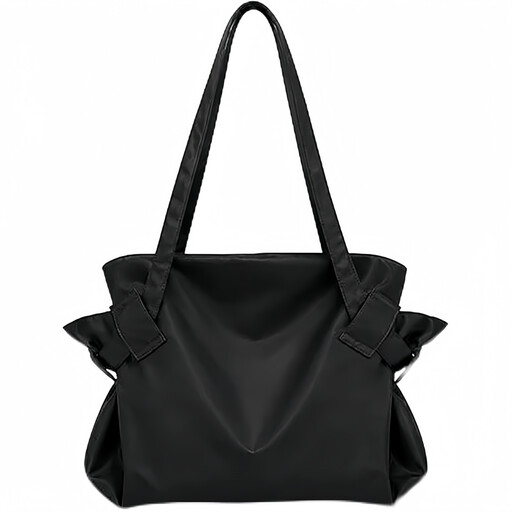
Why This Fits Their Persona: Ideal for someone who enjoys spontaneous park picnics, beach days or light-packing festivals. This multi-functional item reduces the amount of gear you need to carry for a day out, combining a carryall tote with a ground mat.
It directly counters the "water-resistant" deception by being made from a high-density waterproof material, offering genuine protection from damp ground or a sudden shower.
Its 2-in-1 design is its main strength. It's a spacious tote that converts into a 100cm round mat, and it folds down into a compact size for easy storage.
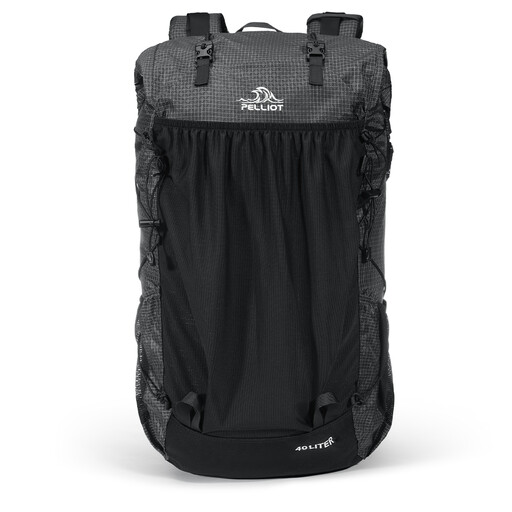
Why This Fits Their Persona: For those undertaking multi-day hikes in the Lake District or along coastal paths. This user needs a reliable, comfortable pack that can handle a significant load and variable weather without causing strain.
It directly solves the "uncomfortable load-bearing" pitfall with its built-in alloy support frame and dynamic walking harness technology, which actively shifts weight to the hips for a more natural and less fatiguing carry.
The 3D breathable cushioning system and smart organisation with multiple attachment points make it a highly practical choice for 2-3 day treks. It balances capacity with ergonomic design.
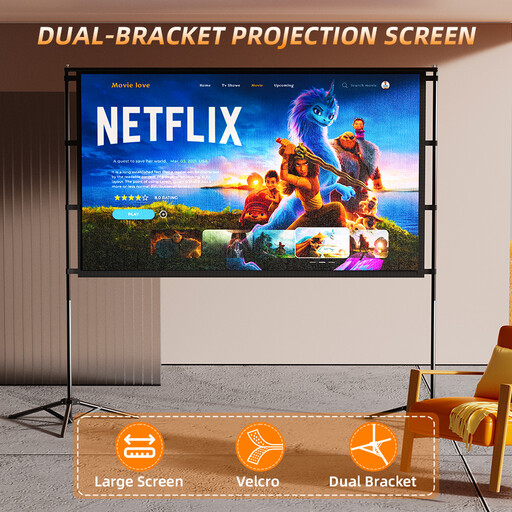
Why This Fits Their Persona: For those who love camping but don't want to leave all home comforts behind. This user wants to create a memorable, comfortable and entertaining campsite experience for family and friends.
The common trap for "luxury" camping items is bulk and impracticality. This kit avoids that by being a fully foldable and portable system, complete with a carry bag, ground stakes and ropes for stability.
It's a complete outdoor cinema solution. The 72-inch, anti-crease screen and stable tripod stand make it easy to set up for a movie night under the stars.
We have compiled a complete, real-time list of products that fully satisfy these strict selection criteria and UK safety regulations.
A good rule of thumb is to match the capacity to your trip's length. For day hikes, a 10-25 litre pack is usually sufficient for water, snacks and a waterproof layer. For an overnight or weekend trip (1-2 nights), look for something in the 30-50 litre range. For multi-day treks lasting 3 nights or more, you'll likely need a 50-70 litre pack or larger. Remember, using lightweight camping gear and packing efficiently can help you fit more into a smaller, more comfortable pack.
The key difference lies in the support structure. A trekking backpack is built for carrying heavier loads over long distances. It features an internal frame (often aluminium), a structured hip belt and load-lifter straps. This system is designed to transfer up to 80% of the weight onto your hips, relieving strain on your back and shoulders. A regular backpack lacks this advanced system and is only suitable for carrying lighter loads for short periods.
Organisation is key to a stress-free trip. Use dedicated camping storage solutions to avoid a chaotic tent. Consider structured, padded bags for kitchen equipment to prevent clattering and damage. Large, zippered storage bags, especially transparent ones, are excellent for keeping clothes, bedding and other soft goods dry, organised and easy to identify without unpacking everything.