Campers who need to stay aware
If you want to follow a lesson while still hearing companions or nearby activity, open-ear listening is a starting point. You will also hear more of the noise around you.


Choose open-ear headphones if you need to hear people and activity around the campsite, accepting that surrounding noise may make spoken lessons harder to follow. If you mainly listen while seated in a noisy area, well-fitted noise-cancelling earbuds may be more suitable; use an ambient mode or remove an earbud whenever awareness matters. For either design, check single-charge playback and the water-resistance rating of the parts you expect to use outdoors.
If you want to follow a lesson while still hearing companions or nearby activity, open-ear listening is a starting point. You will also hear more of the noise around you.
If chatter or other distractions make narration difficult to follow, sealed earbuds with active noise cancellation may suit seated listening. Keep a way to hear your surroundings when you need it.
If several lessons must fit between charging opportunities, compare playback on one charge with playback from the charging case. The two figures answer different questions.
Choose when: Hearing people and campsite activity takes priority while you listen.
Accept: Wind and nearby conversation can compete with course speech.
Choose when: You mainly listen while seated and want less distracting sound around spoken lessons.
Accept: A seal and noise cancellation reduce awareness; switch to ambient mode or remove an earbud when necessary.
| Concern | What to check | Who this matters to |
|---|---|---|
| Awareness | Check whether the headphones leave your ears open and whether you can pause playback easily. | I want to hear companions and activity around the pitch while following a lesson, even if that means hearing more background noise. Around 33% of consumers would put campsite awareness first. |
| Speech in noise | Look for a secure fit, noise cancellation and an ambient mode you can use when needed. | When chatter makes narration hard to follow, I would rather reduce distractions than keep raising the volume. Roughly 33% of consumers would make speech in noise their main concern. |
| Outdoor sessions | Compare playback on one charge with case playback; check the exact water-resistance rating and which parts it covers. | Several lessons away from a socket make charging plans important, while damp weather makes component protection worth checking. About 20% of consumers would prioritise outdoor endurance. |
| Simple controls | Check the playback controls and whether the headphones pair with the device carrying your course. | With my phone tucked away, I want to pause or replay a section without interrupting the lesson to retrieve it. Around 14% of consumers would put straightforward control first. |
Sealed, noise-cancelling earbuds can make it harder to notice people or activity around you.
Decide whether you will mostly listen seated or while moving around and interacting with others. If you choose sealed earbuds, check how quickly you can use ambient mode or pause playback.
A total playback figure can include recharges from the case; it does not tell you how long the earbuds will last through an uninterrupted lesson.
Check single-charge playback in the mode you intend to use, then plan separately for recharging the earbuds and case.
An earbud rating does not automatically cover its charging case or establish that either part can be immersed.
Read the exact model's rating and the manufacturer's instructions for each component. Keep the case protected from wet conditions unless its stated protection covers them.
The World Health Organization advises that hearing risk increases with both sound level and listening duration.
Keep the volume no higher than you need, take breaks and consider a suitable fit or noise cancellation rather than relying on more volume to overcome distractions.
Shokz positions its OpenFit 2+ as an open-ear option for listening while remaining aware of surrounding activity.
Sony's WF-1000XM6 is a sealed noise-cancelling option for listeners considering greater isolation.
JBL's Live Beam 3 offers a sealed noise-cancelling design with controls on its charging case.
These choices include open-ear headphones for listening while staying aware of the campsite and Sony WF-C710N noise-cancelling earbuds for listeners considering more isolation. Check the fit, controls and charging arrangement against how you plan to follow your course.
 No image available
The open-ear design suits lessons when hearing activity around you matters more than blocking background sound.
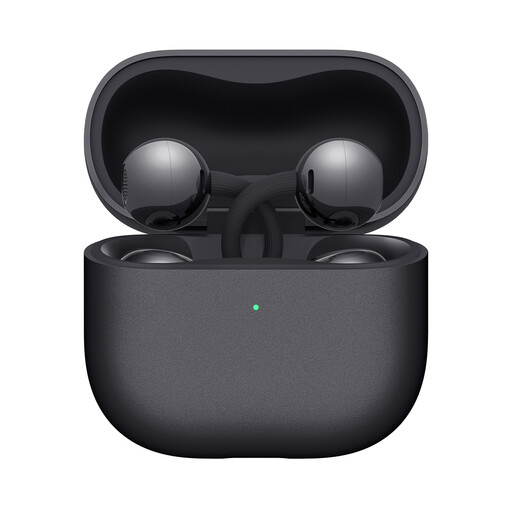
These are true wireless earbuds. Check whether you need to bring a compatible USB Type-C charging cable, and consider how campsite noise may affect spoken material.
 No image available
Consider the open-ear fit if you want to keep track of nearby activity while following a lesson.
The listed features include Bluetooth 5.4, multipoint connection, IP55 and 40-hour playtime. Check the single-charge figure and which components the IP55 rating covers before relying on either for a trip.
 No image available
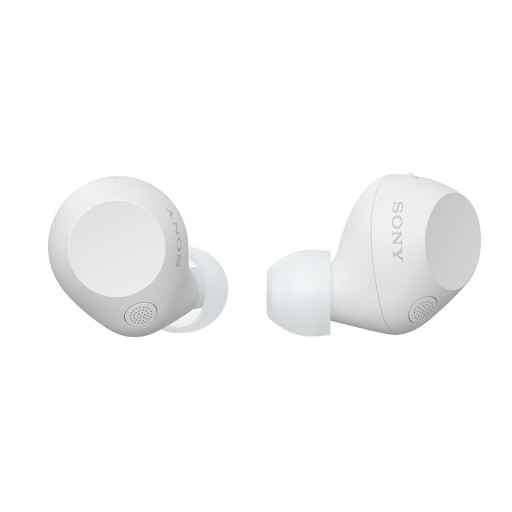
These true wireless earbuds are the option here to consider when distractions make a seated audio lesson difficult to follow.
Noise cancellation can reduce awareness. Check the controls for hearing your surroundings, playback time in your chosen mode and the charging case's protection before outdoor use.
 No image available
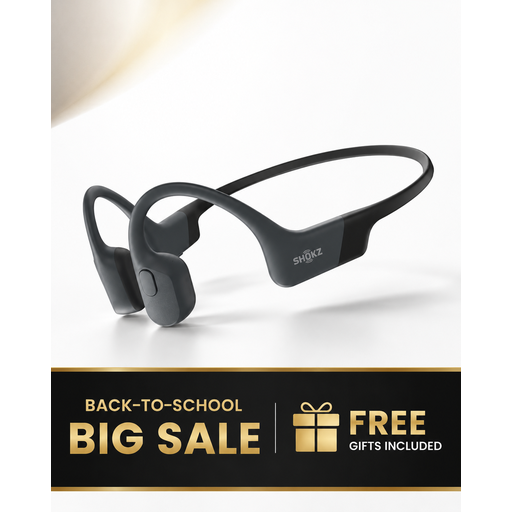
The bone-conduction, open-ear design is worth considering if you want your ears open to campsite activity during a lesson.
An IP67 rating is listed; confirm what it covers and follow the care instructions. Check the fit over a full lesson, particularly if you will be moving around.
 No image available
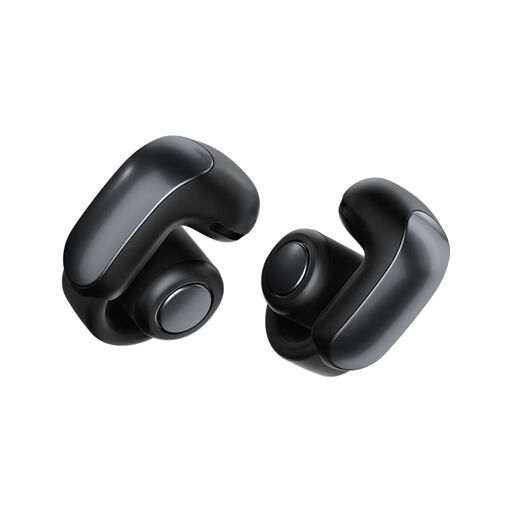
The open-ear design suits listeners who want to hear surrounding activity alongside their course.
Check how the fit feels over a full lesson, how playback time changes with the features you intend to use, and the applicable water-resistance guidance before taking them into wet conditions.
Choose open-ear headphones when hearing the campsite around you is the priority; consider well-fitted noise-cancelling earbuds when distracting sound makes a seated lesson difficult to follow. With sealed earbuds, use an ambient mode or remove an earbud when you need to hear others.
Keep the volume no higher than needed and take breaks. The World Health Organization advises setting a device to no more than 60% of maximum volume and keeping monitored average sound exposure below 80 dB; risk increases as both volume and listening time rise.
No: check the exact rating and which component it covers before using either part in wet conditions. For example, Sony UK lists WF-1000XM6 as IPX4 water resistant, but that rating should not be extended to its case or to a different Sony model.
A change of mind and a fault are different reasons for a return. Coventry City Council Trading Standards explains that online buyers generally have a change-of-mind cancellation period of up to 14 days after receiving goods, subject to applicable conditions, while faulty goods may qualify for statutory remedies. Check any retailer return terms separately; they do not replace rights concerning faulty goods.
Check the applicable product information rather than treating a listing claim as proof of compliance. GOV.UK Department for Business and Trade guidance dated 21 August 2026 says Great Britain continues to recognise CE marking in applicable regimes; UKCA and CE marks indicate the manufacturer believes the product meets the relevant requirements.