
24/7 全天候客户支持

免费退货

当日/次日达

品质保障

开启新人专享福利: 全场免邮 | 低至 2 折 | 免费试用 30 天 JoyPlus 会员
下载 Joybuy
Choosing the right equipment is the first step towards a successful adventure in the great British outdoors. However, with so much marketing clutter, it is easy to end up with gear that fails you when you need it most. As a Joybuy Product Recommendation Officer, my role is to help you identify the practical features that matter, so you can invest in kit that performs well and lasts.
Before you spend your hard-earned money, be aware of these common purchasing pitfalls that can leave you with unsuitable gear.
To avoid these issues, focus on a few core technical details. These non-negotiable features are what separate reliable equipment from gear that will let you down.
For any gear intended to keep you dry, look beyond vague marketing terms. For items like waterproof hiking boots, the key feature to look for is a built-in waterproof membrane. This is a layer within the boot's construction that blocks water from entering while allowing sweat vapour to escape, keeping your feet dry from both rain and perspiration.
Similarly, protection from the sun is just as critical, even on cloudy days. A UPF 50 sun hat is designed to block at least 98% of harmful UV rays from reaching your skin. The Ultraviolet Protection Factor (UPF) rating measures the fabric's effectiveness against both UVA and UVB radiation, a vital consideration for any time spent outdoors.
The materials and construction of your gear determine its balance of weight, durability and comfort.
lightweight camping chair, check the frame material. Aviation-grade aluminium alloy provides an excellent combination of strength and low weight, making it ideal for backpacking. Steel frames are typically heavier but can offer greater stability for car camping.trekking backpack should have an internal support frame. This rigid or semi-rigid structure is crucial for transferring the pack's weight from your shoulders to your hips, which are better equipped to carry heavy loads over long distances.Consider how an item functions when not in use. Smart design features can make a huge difference. A foldable sit pad that packs down to the size of a water bottle is far more practical than a bulky cushion. Likewise, a stainless steel camping mug with a folding handle saves precious space. For keeping everything organised, dedicated outdoor equipment storage bags with dividers and padded walls protect your gear and make finding items much easier. This principle also applies to more specialised kit, such as a ski boot bag, which is designed for efficient transport and storage of bulky winter sports equipment.
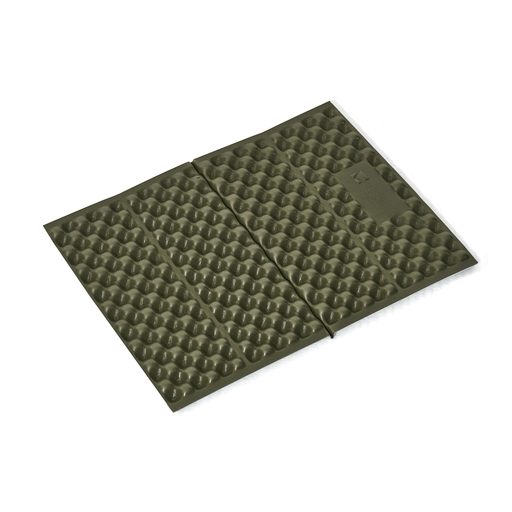
Why This Fits Their Persona: Ideal for those who want a simple, no-fuss solution for staying dry and comfortable during a trail-side break or a picnic in the park. At only 45g, it adds virtually no weight to a daypack.
This foldable sit pad directly solves the packability problem. Its concertina-fold design is compact and quick to deploy and store, unlike bulky cushions. The XPE foam is inherently insulating and water-repellent.
Insulates from cold, damp ground. The egg-crate texture provides a thermal barrier. Extremely lightweight and portable.
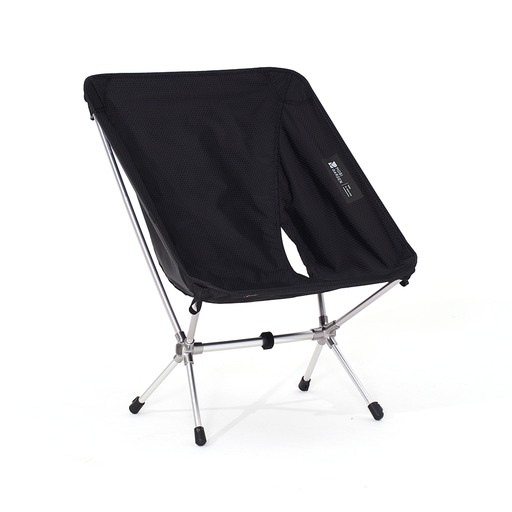
Why This Fits Their Persona: For those who need a comfortable camp chair that does not compromise on pack space. It is suitable for relaxing at a campsite after a day's hike or for use at a multi-day festival.
It avoids the "ultra-light" trap by using a robust aviation-grade aluminium frame and a triangulated structure, providing stability without excessive weight. It also solves the packability problem, folding down into a small 36 cm carry bag.
High load capacity (140 kg) relative to its low weight (765 g). Rapid-fold structure for quick setup and pack-down.
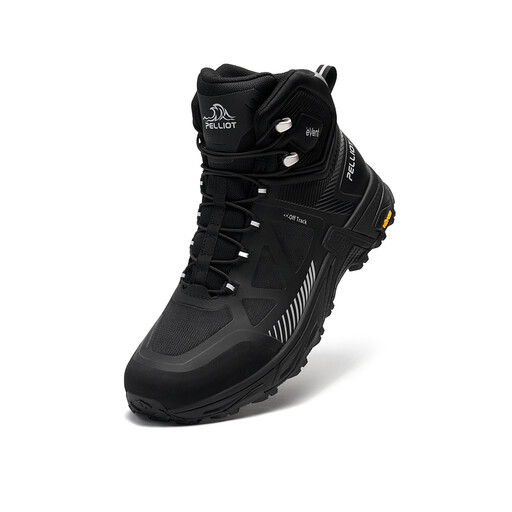
Why This Fits Their Persona: Engineered for challenging terrain, this boot is for hikers tackling muddy slopes, rocky scrambles and stream crossings in places like the Peak District or Snowdonia, where reliable footwear is not optional.
It directly counters the "water-resistant" myth by incorporating a reliable waterproof and breathable membrane. The focus on an aggressive lug pattern and a protective toe cap shows it prioritises performance over just being lightweight.
High-traction rubber sole for grip on varied surfaces. Abrasion-resistant upper and protective toe cap for durability.
We have compiled a complete, real-time list of products that fully satisfy these strict selection criteria and UK safety regulations.
How should I store my outdoor gear to make it last? Proper storage is essential for extending the life of your camping and hiking gear UK. Always ensure items are completely clean and dry before putting them away to prevent mould, mildew and material degradation. Store them in a cool, dark and dry place. Using dedicated outdoor equipment storage bags can help protect items from dust and damage while keeping your kit organised and ready for the next trip.
What is the difference between a daypack and a trekking backpack? A daypack is typically smaller (15-30 litres), lighter and designed to carry essentials for a single day's outing. A trekking backpack (40 litres or more) is built for multi-day trips. Its key feature is an internal frame that distributes the weight of a heavier load (tent, sleeping bag and food) onto your hips, making it much more comfortable to carry over long distances. Some versatile bags, like an expandable carry on backpack, can bridge the gap for short trips or minimalist travel.
Are fully waterproof hiking boots essential for UK trails? For most UK trails beyond simple, paved country park paths, the answer is yes. The ground is frequently wet, muddy or boggy, even in summer. A good pair of waterproof hiking boots with a breathable membrane will keep your feet dry, which is the single most important factor in preventing blisters and maintaining comfort. Investing in proper waterproof footwear transforms the hiking experience in Britain from a potentially damp ordeal into an enjoyable adventure.