Campers planning snack portions
If a large bag is awkward to divide during a festival, look at individual pack sizes and the nutrition information for the amount you expect to eat. A smaller pack does not change whether the food itself is low fat.


For festival camping, a smaller pack of ordinary nuts can help you plan portions, but dry-roasted or unsalted does not mean low fat. If low fat is the deciding requirement, check the exact product’s total fat per 100g against the NHS guide of 3g or less; compare storage instructions and allergens before choosing a snack to carry or share.
If a large bag is awkward to divide during a festival, look at individual pack sizes and the nutrition information for the amount you expect to eat. A smaller pack does not change whether the food itself is low fat.
Check total fat per 100g rather than treating “natural”, “unsalted” or “dry-roasted” as a low-fat claim. The NHS uses 3g of fat or less per 100g as its low-fat guide.
Keep the packaging available so everyone can check the ingredients and allergen declaration. The Food Standards Agency distinguishes peanuts from tree nuts, and a mix may contain several named nuts.
Decide whether you need a snack that meets a low-fat threshold or simply a nut snack in a manageable pack; then compare labels on the same per-100g basis.
| Priority | What to check | Your needs |
|---|---|---|
| Fat content | Read total fat and saturated fat per 100g, then check the amount in the pack. The NHS low-fat guide is 3g total fat or less per 100g. | If low fat is a firm requirement, I need the exact snack to meet that threshold. If I mainly want nuts in smaller portions, pack size is a separate decision. |
| Ingredients and flavouring | Compare the ingredients list, sugars and salt per 100g. Marks & Spencer lists added oil, sugar, honey and salt in its Sweet and Salty Nut Mix. | I’d rather choose a plain snack if the additions in a flavoured mix do not suit what I’m looking for. |
| Pack and storage | Check individual pack size, whether an opened pack can be closed again, and its stated storage instructions. | A pack I can carry and keep dry matters when I’ll be eating at a campsite or away from the tent. |
| Allergens | Read the current pack’s ingredients, allergen declaration and any precautionary statement before sharing. The Food Standards Agency treats peanuts and tree nuts as distinct allergens. | Before I offer a snack to the group, I need to know which nuts it contains and whether anyone must avoid it. |
Dry-roasted describes how a nut snack is prepared, not its total fat content. The NHS low-fat guide is 3g fat or less per 100g.
Compare the exact products’ total fat and saturated fat per 100g. If you need a low-fat snack, choose one whose label meets the threshold rather than relying on its preparation or seasoning.
Flavourings can change more than taste: Marks & Spencer’s Sweet and Salty Nut Mix lists oil, sugar, honey and salt, with 7.2g sugars and 0.88g salt per 100g.
Read the ingredients and compare sugars and salt per 100g if those additions affect your choice.
An opened pack needs somewhere suitable to be kept between snacks, especially when its storage instructions call for dry conditions.
Check the pack’s storage directions before travelling and consider whether smaller sealed packs would be easier to carry and protect.
The Food Standards Agency distinguishes peanuts from tree nuts; a mixed snack can contain more than one named nut.
Ask before sharing and check the current packet’s allergen information. Removing visible pieces is not a substitute for checking whether someone can eat the product.
Tesco Groceries lists KP dry-roasted and salted peanuts in larger bags and 5 × 30g snack-pack formats.
Tesco Groceries’ nut listings provide a place to compare pack formats and labelled nut products.
Marks & Spencer lists plain and mixed nut products and publishes nutrition and ingredient details for its Sweet and Salty Nut Mix.
These chestnut packs offer different sizes for a festival bag. If reduced fat is your priority, compare each exact pack’s total fat per 100g with the NHS low-fat guide of 3g or less, and check its storage and allergen information.
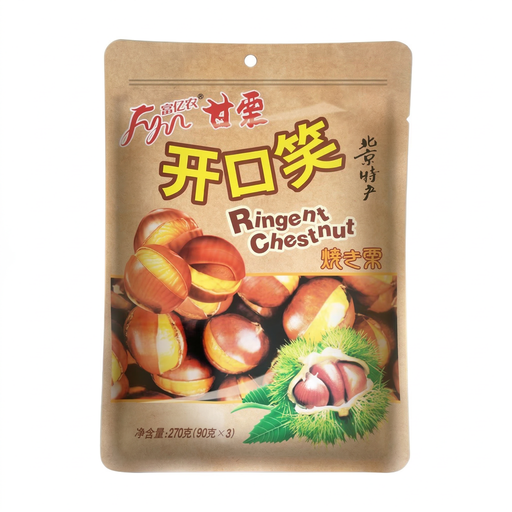 No image available
The three-pack format gives you separately packed portions to plan for a festival trip. Check the fat value and storage directions on the exact pack.
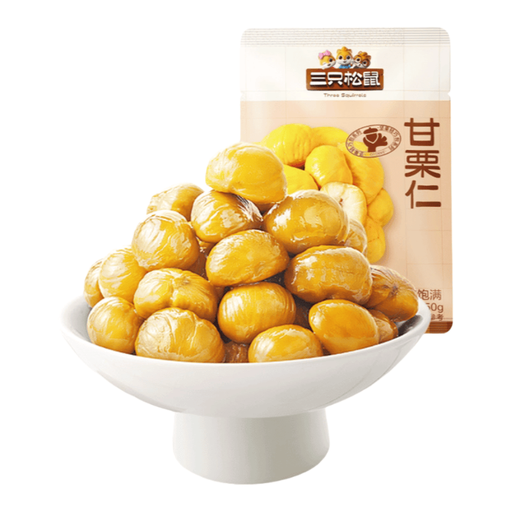 No image available
The 50g pack has a stated size you can use when planning what to carry. Compare its per-100g nutrition panel with other snacks rather than treating “Light Pack” as a fat-content figure.
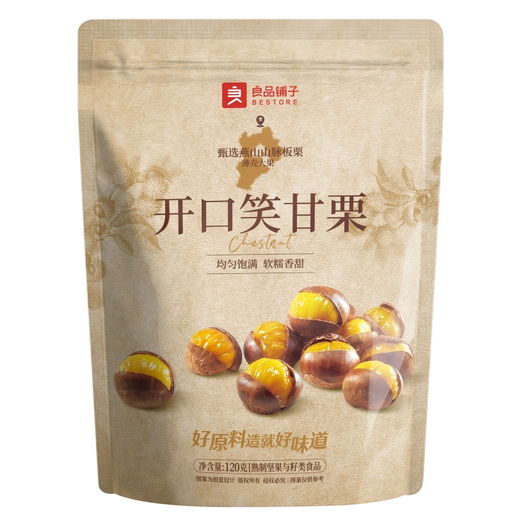 No image available
The 120g bag is an option if you prefer to decide how much to take from a pack. Check its nutrition and allergen labels, and how it should be stored after opening.
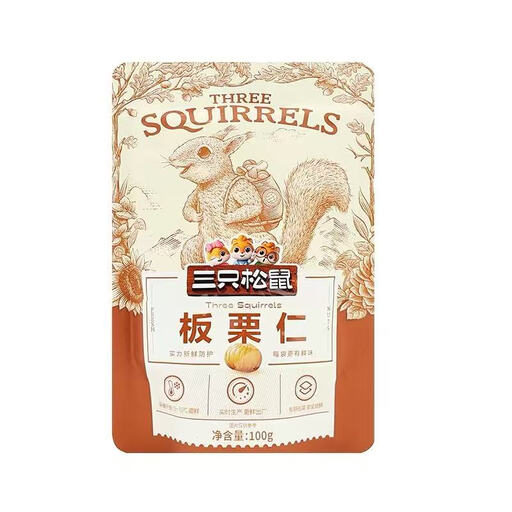 No image available
This 100g pack gives you a straightforward pack size for comparing products. If you plan to eat it over more than one occasion, check the packaging and storage instructions before the trip.
 No image available
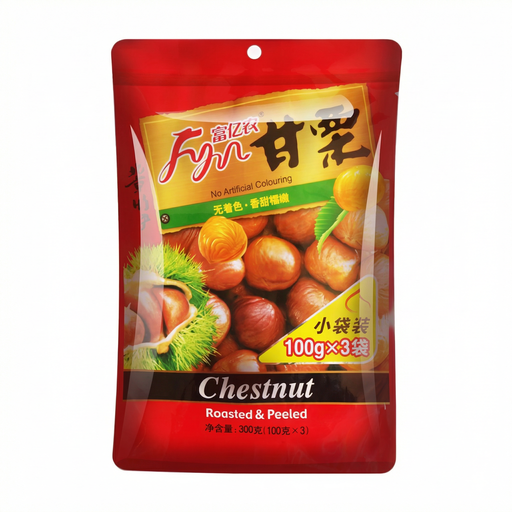
The 300g pack may call for more portion planning than a smaller pack when camping. Check its per-100g fat value and the directions for storing any remaining chestnuts.
No. Dry-roasted describes preparation, not a verified fat level. For a low-fat choice, compare the exact product’s total fat per 100g with the NHS guide of 3g or less.
Individual packs can make the amount you carry and open at one time easier to plan. Tesco Groceries lists KP peanuts in 5 × 30g snack packs, but that format does not make the peanuts low fat; check the nutrition information if fat content matters to you.
Follow the exact packet’s storage instructions and check how to keep it after opening. Choose a pack you can protect from damp conditions, and keep its label available for the stated date and allergen information.
No. The Food Standards Agency identifies peanuts as legumes and distinguishes them from tree nuts such as almonds, cashews and hazelnuts. Check the current packet’s allergen declaration before sharing a mixed snack.