
24/7 Customer Support

Free returns

Same-day & Next-day Delivery

Quality Guaranteed

Unlock Your Welcome Offers: FREE Delivery | Up to 80% OFF | Free 30-day JoyPlus trial
Download the APP
A sleeping mat can make the difference between waking up rested and spending the night feeling every stone beneath your tent. However, product listings often focus on inflated thickness, compact packing and comfort features without explaining what those measurements mean in practical use.
Before buying camping sleeping mats, watch for three common pitfalls:
The right choice depends on your sleeping position, transport method, tent space and the conditions in which you normally camp.
A single camping sleeping mat is usually suitable for one person in a hiking or backpacking tent. Check both the inflated measurements and the available floor space in your tent. A mat that is 58cm wide may suit many solo campers, while a double camping sleeping mat measuring 140cm wide is intended for two people or for anyone wanting more room to move.
Thickness also affects comfort. A 2.6cm folding foam sleeping mat provides cushioning and a layer between your sleeping bag and the ground. Inflatable models can be significantly thicker, helping reduce contact with hard or uneven surfaces. Side sleepers and taller users should pay particular attention to length, width and whether the pillow section supports the neck without taking up too much sleeping area.
For colder British conditions, look for an insulated sleeping mat rather than judging warmth by appearance alone. The R-value indicates resistance to heat transfer through the mat: a higher figure generally means more resistance to ground cold, although warmth also depends on your sleeping bag, clothing, tent and the ground conditions.
One supplied foam model has an R-value of R2.6, with egg-crate cavities designed to trap still air. This can be useful for three-season camping, but the product guidance recommends pairing it with an inflatable mattress in colder conditions. For winter or exposed campsites, check the manufacturer’s stated temperature guidance rather than relying on thickness alone.
A lightweight camping mat matters when you are walking between transport points, carrying equipment on a hike or travelling by public transport. Compare the total packed weight, not just the mattress itself. A 690g inflatable mat packed to approximately 26 x 10cm is easier to carry than a bulky camping mattress, while a 1.7kg double mat is more appropriate for car camping, family tents or shared use.
Material information can also reveal how a mat should be handled. Polyester or nylon with a TPU sealing layer can provide a water-resistant surface and help contain air, but no inflatable mat should be placed directly over thorns, sharp stones or rough debris. Clear the pitch first and carry a repair solution where appropriate.
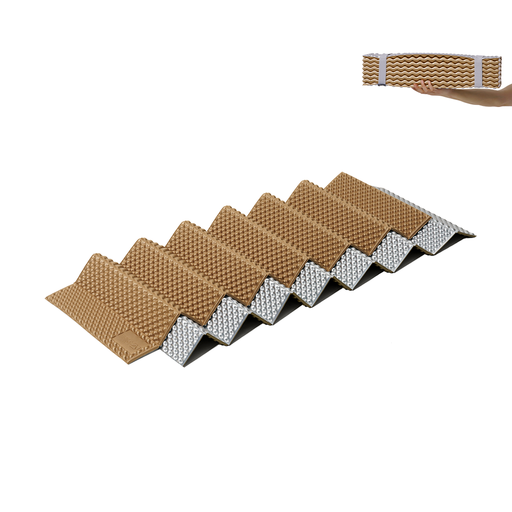
Why This Fits Their Persona: A practical option for first-time campers, festivals and short backpacking trips where low weight and simple setup matter.
Its listed 0.5kg weight and 56 x 13 x 14cm package size make transport details clear, rather than leaving buyers to estimate portability from photographs.
IXPE foam construction, egg-crate air cavities, water-repellent surface and a design that can link with additional pads.
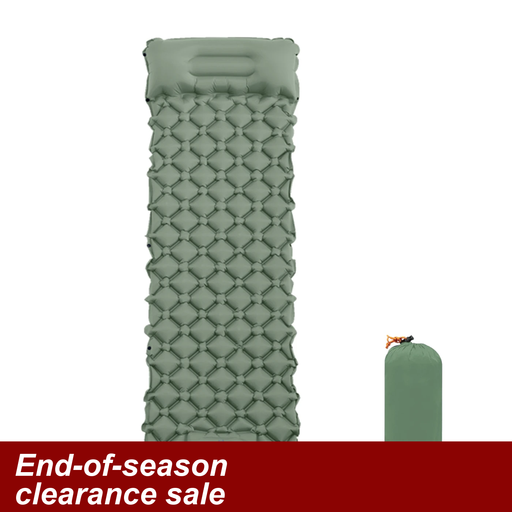
Why This Fits Their Persona: Suitable for campers who prioritise a thicker sleeping surface, a built-in pillow and compact packing for regular outdoor trips.
The listing gives both inflated dimensions—192 x 58 x 15cm—and packed dimensions of approximately 26 x 10cm, helping you check comfort against storage space.
690g weight, built-in foot pump, integrated pillow, dual-layer valves and side buttons for connecting two mats.
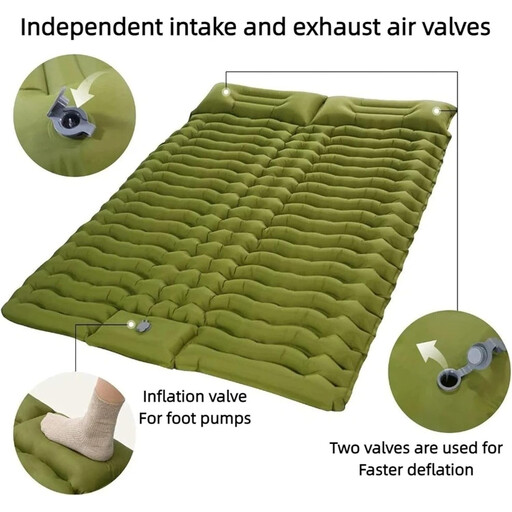
Why This Fits Their Persona: Designed for couples, families, car campers and guests who need a broad shared surface rather than a narrow backpacking sleeping mat.
The 200 x 140cm inflated size and 1.7kg weight show the trade-off between generous space and portability before purchase.
3-inch thickness, built-in foot pump, integrated pillow area, waterproof TPU-coated polyester and 29 x 16 x 16cm packed size.
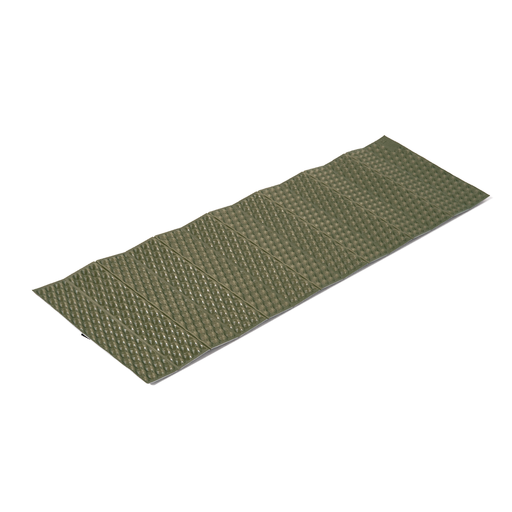
Why This Fits Their Persona: A straightforward portable outdoor sleeping mat for hikers, trekkers and campers who prefer no inflation equipment.
The foam format avoids valve leaks and pump failure. Its R2.6 rating also gives a clearer insulation reference than thickness alone.
183 x 63 x 2.6cm open size, approximately 750g, double-sided use and water-repellent polyester surface.
We have compiled a complete, real-time list of products that fully satisfy these strict selection criteria and UK safety regulations.
Models with a built-in foot pump can reduce the need to carry a separate pump or inflate by mouth. Follow the product instructions, check that the valves are closed and allow enough time to adjust firmness. Foam mats require no inflation but may take more room when packed.
Lifespan depends on use, storage and handling. Inflatable mats should be protected from sharp ground, dried before storage and checked for valve or seam damage. Foam mats can also wear through if dragged over rough surfaces or exposed to heat and sunlight for long periods.