
24/7 全天候客户支持

免费退货

当日/次日达

品质保障

开启新人专享福利: 全场免邮 | 低至 2 折 | 免费试用 30 天 JoyPlus 会员
下载 Joybuy
A hot meal or a fresh brew can make all the difference on a chilly morning in the Peak District or after a long day's hike along the Cornish coast. But choosing the right camping stove can feel like navigating a minefield of technical jargon and marketing hype. Many well-intentioned campers end up with a stove that is either too heavy, too flimsy or simply fails when a slight breeze picks up.
As the Joybuy Product Recommendation Officer, my role is to help you sidestep these common issues. Before you spend your hard-earned money, let's look at the frequent pitfalls that catch UK buyers out and what really matters when selecting your outdoor cooking companion.
To make an informed choice, focus on these core parameters. They are the true indicators of a stove's performance and suitability for your needs.
The most common type of gas stove for camping uses screw-on canisters that adhere to the EN 417 standard. These are widely available across the UK in outdoor shops and even some larger supermarkets.
Instead of just looking at the Wattage, consider the boil time for 1 litre of water. This is a more practical measure of real-world performance. A stove with a built-in windshield or a wide burner head that distributes heat evenly will often outperform a more powerful but exposed flame. For those looking to maximise every gram of fuel, an integrated cooking system with a heat exchanger pot is a worthwhile consideration, as it can significantly reduce boil times and fuel consumption.
Your choice here depends entirely on your activity.
Here are a few options from our outdoor cooking equipment range, matched to different types of campers to help you find your fit.
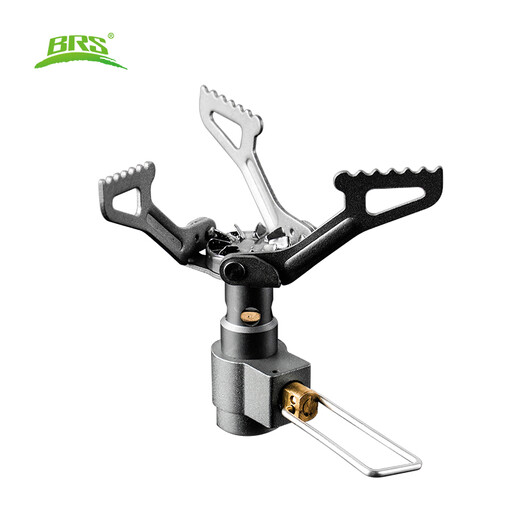
Why This Fits Their Persona: For the minimalist trekker counting every gram on a multi-day hike like the West Highland Way, this stove's tiny packed size and exceptionally low weight are paramount. It provides essential cooking power without the bulk.
It sidesteps the "ultralight myth" by being genuinely feather-light at just 26 grams. The user understands they are trading some stability for this extreme portability, which is a conscious choice for this profile.
Constructed from titanium alloy for a remarkable weight-to-strength ratio. It delivers a respectable 1940W output in a package that fits in the palm of your hand.
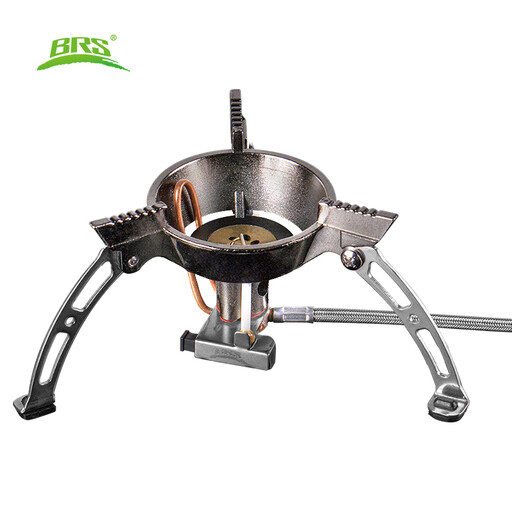
Why This Fits Their Persona: Ideal for weekend trips to the Lake District or a festival. It offers a fantastic balance of high power, stability and portability without being overly heavy. It's a reliable workhorse for a variety of situations.
It directly solves the fuel compatibility issue by including an adapter for 1lb propane tanks, alongside its native support for EN 417 canisters. The windproof design also tackles the performance trap.
Features a powerful 3240W adjustable flame and a stable, non-slip folding bracket. The included carry bag and gas cartridge mounting base add significant value and convenience.
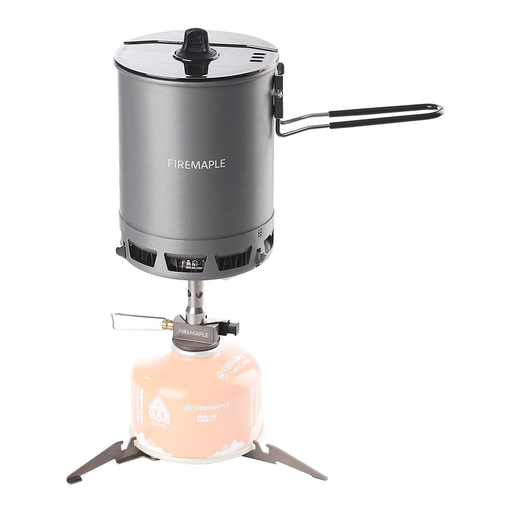
Why This Fits Their Persona: This user wants a complete, no-fuss solution. An integrated system like this is perfect for solo hikers who value fuel efficiency and a compact, all-in-one package for preparing meals and hot drinks quickly.
This kit directly counters the "high power, no performance" trap. Its efficient heat exchange pot is specifically designed to capture and retain heat, shortening boil times and saving fuel, especially in windy conditions.
This is a fully nestable and compact kit. The stove and a 110g gas canister (sold separately) can be stored inside the 600ml pot, creating an ultra-compact camping cookware set that weighs only 265g.
We have compiled a complete, real-time list of products that fully satisfy these strict selection criteria and UK safety regulations.
No, this is a critical safety and compatibility point. Most portable camping stove models sold in the UK are designed for screw-on canisters that meet the EN 417 specification. Always check the stove's manual and the canister's fitting before purchasing or attempting to connect them. Using the wrong type can lead to gas leaks.
This varies greatly depending on the stove's power (Watts), wind conditions, air temperature and altitude. As a rough guide, a standard 230g gas canister can provide around 60-70 minutes of burn time at maximum output. An efficient stove in calm conditions might boil over 15 litres of water with one canister, while an inefficient stove in the wind may struggle to boil half of that.
The main differences are weight, size and features. A lightweight backpacking stove is designed to be as small and light as possible, often prioritising this over stability or cooking performance. A regular camping stove, intended for car camping, is typically larger, more stable and may have features like multiple burners or a larger grill surface, as weight is less of a concern.