
24/7 全天候客户支持

免费退货

当日/次日达

品质保障

开启新人专享福利: 全场免邮 | 低至 2 折 | 免费试用 30 天 JoyPlus 会员
下载 Joybuy
A reliable camping stove is the heart of any good outdoor kitchen, whether you're brewing a morning coffee on a misty hillside or cooking a hearty meal after a long day's hike. Yet, the market is filled with options that can be confusing. Many buyers find themselves with a stove that is too heavy, inefficient in a breeze, or incompatible with readily available fuel. Before you make a purchase, it's crucial to understand the common pitfalls that lead to wasted money and frustrating trips.
As the Joybuy Product Recommendation Officer, my role is to help you navigate these choices with clear, practical advice. Let's look past the marketing hype and focus on what truly matters.
portable gas stove with versatile fuel compatibility offers far greater peace of mind.To make an informed decision, focus on these three non-negotiable parameters. They will determine whether a stove is a dependable companion or a dead weight in your pack.
backpacking stove, every gram counts. Ultralight models can weigh as little as 25-30 grams, consisting of just the burner head. Larger, more stable stoves for car camping might weigh 250 grams or more but offer better support for bigger pots. Always check the packed dimensions to ensure it fits comfortably in your pack.portable induction hob is an excellent choice for campervans, dorms, or any situation with access to mains power. They are flameless, highly efficient and offer precise temperature control, but are not suitable for off-grid use.lightweight camping stove setup.camping cooking system combines the burner and a purpose-built pot, often with a heat exchanger for improved efficiency. These are designed to work together for fast boiling times, making them great for solo travellers who primarily boil water.Instead of a single "best" stove, the right choice depends entirely on your needs. We've matched some standout options to different user profiles to help you find your perfect fit.
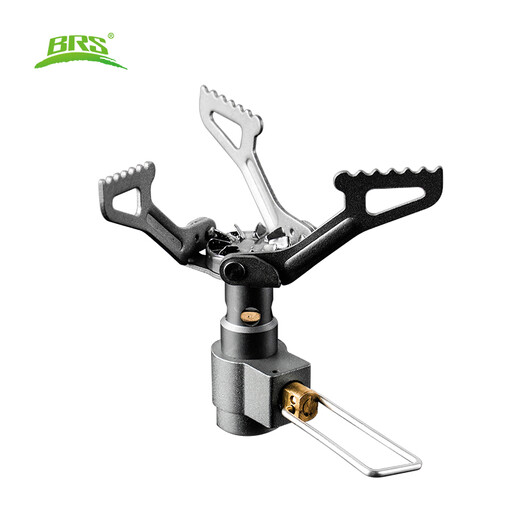
Why This Fits Their Persona: For the thru-hiker or minimalist counting every gram, this stove is a game-changer. Its tiny packed size and negligible weight make it the ideal choice for long-distance treks across the Pennine Way or Scottish Highlands, where pack weight is the primary concern.
It completely avoids the "one-size-fits-all" system flaw by being a specialised, standalone burner. This gives you the freedom to pair it with any lightweight pot, optimising your entire cook kit for weight.
Extreme Portability: Weighs only 26 grams and folds into a tiny pouch.
Powerful for its size: Delivers 1940W, capable of boiling water quickly.
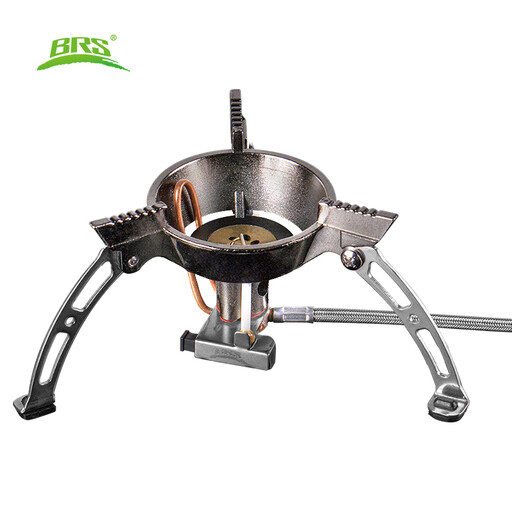
Why This Fits Their Persona: Ideal for weekend trips to the Lake District or car camping in the New Forest. This user values a balance of power, stability and convenience over absolute minimum weight. The wider, stable base is great for larger pots to cook a proper meal.
It directly solves the fuel incompatibility headache. The included adapter allows it to work with standard screw-on canisters, 1lb propane tanks and MAPP gas, ensuring you can find fuel almost anywhere in the UK.
High Power & Stability: A 3240W output and a non-slip folding bracket that supports up to 5kg.
Fuel Versatility: Comes with adapters for multiple common gas types.

Why This Fits Their Persona: This is for the modern camper with a campervan and electric hook-up, or a student in a dorm. It provides a safe, powerful and precise cooking method without open flames, making it perfect for use in confined, well-ventilated spaces where gas is not an option.
It sidesteps all the common gas stove pitfalls—wind, cold weather performance and fuel availability—by using mains electricity. It offers a completely different, highly controlled cooking experience.
Safety and Control: No open flame, child safety lock and 8 power levels for precise cooking.
Easy to Clean: The smooth glass surface wipes clean instantly.
We have compiled a complete, real-time list of products that fully satisfy these strict selection criteria and UK safety regulations.
No, you must never use a portable gas stove or any flame-based appliance inside a tent, campervan or any enclosed space. They produce carbon monoxide, a colourless and odourless gas that can be fatal. Always cook in a well-ventilated outdoor area, away from the fabric of your tent. For indoor or sheltered cooking where power is available, a portable induction hob is a much safer alternative.
This depends on the stove's efficiency, how high you run the flame, wind conditions and what you're cooking. As a general guide, a standard 230g isobutane/propane canister can provide around 60-80 minutes of burn time on a medium setting. For a solo backpacker primarily boiling water for drinks and rehydrating meals, this could last anywhere from 4 to 7 days.
The primary difference is the design priority. A backpacking stove prioritises low weight and compact packed size above all else. A car camping stove, where weight is not a concern, prioritises stability, power and a larger cooking surface to accommodate bigger pots and more elaborate meals.