
24/7 Customer Support

Free returns

Same-day & Next-day Delivery

Quality Guaranteed

Unlock Your Welcome Offers: FREE Delivery | Up to 80% OFF | Free 30-day JoyPlus trial
Download the APP
A hot meal or a warm brew can make all the difference on a chilly morning in the Peak District or after a long day's hike along the Cornish coast. But choosing the right camping stove can feel like navigating a minefield of technical jargon and marketing hype. Get it wrong, and you could be left with a flimsy, inefficient device that struggles in a breeze and costs a fortune in fuel.
As the Joybuy Product Recommendation Officer, my role is to help you sidestep these issues. We will look at the common pitfalls that catch out many UK campers and break down the essential features you need to consider for a reliable outdoor cooking experience.
Before you add anything to your basket, be aware of these frequent traps that lead to buyer's remorse.
To make an informed choice, focus on these key parameters. They are the true indicators of a stove's performance and suitability for your needs.
The type of fuel a stove uses dictates its performance, convenience and running costs.
The ideal balance depends entirely on your activity.
The notoriously unpredictable British weather makes wind resistance a non-negotiable feature. A basic stove with no protection will see its efficiency plummet in a breeze, wasting fuel and time. Look for models with a built-in windshield or a windproof camping stove design. Some advanced systems, often called a camping cooking set, integrate the burner and pot with a heat exchanger, which dramatically improves efficiency and protects the flame from the elements.
To help you match a product to your specific needs, here are some options that align with different outdoor profiles.
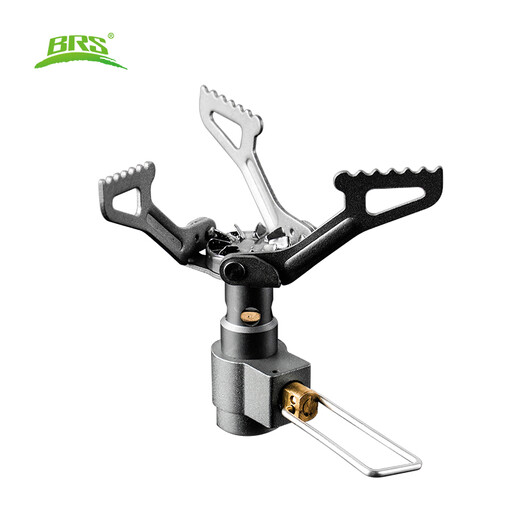
Why This Fits Their Persona: For the minimalist thru-hiker or wild camper counting every gram, this stove's tiny pack size and exceptionally low weight are paramount. It provides the core function of boiling water quickly without any unnecessary bulk.
It sidesteps the "ultralight stability trap" by being upfront about its purpose. It is a specialist ultralight stove, not a general-purpose cooker. Its foldable pot supports are designed for solo pots, providing adequate stability for its intended use.
Constructed from titanium alloy, it weighs a mere 26 grams. It delivers a respectable 1940W of power for fast boiling times, making it a highly efficient tool for the serious backpacker.
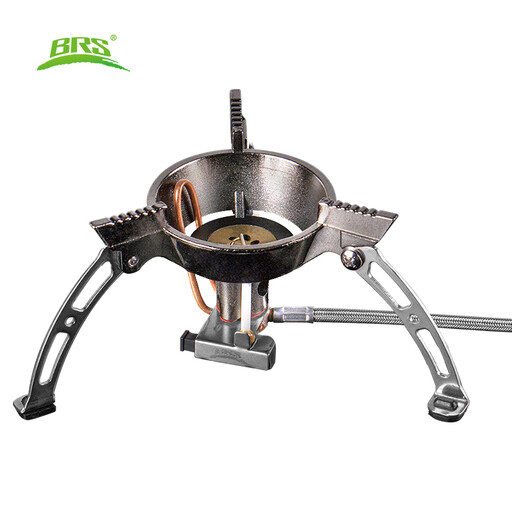
Why This Fits Their Persona: This is a versatile workhorse for weekend camping trips, festivals, or picnics. It balances power, portability and stability, making it a reliable choice for cooking proper meals for one or two people.
It directly solves the fuel compatibility issue by including an adapter, allowing it to work with standard EN 417 canisters and 1lb propane tanks. Its strong folding bracket with a 5kg load capacity also ensures good stability.
A high power output of 3240W provides very fast boiling. The built-in windproof design and included carry bag make it a practical and complete package for varied UK conditions.
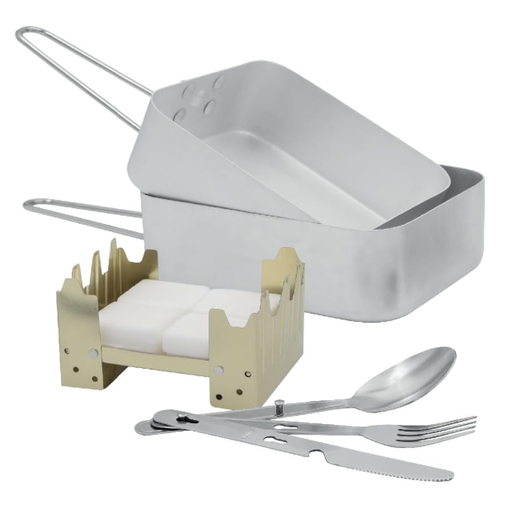
Why This Fits Their Persona: Ideal for Duke of Edinburgh participants, first-time campers, or festival-goers who need a simple, all-in-one solution without the hassle of buying separate components. It provides everything needed to cook and eat.
This kit avoids the "deceptive bundle" trap by including genuinely useful items. The mess tins are lightweight aluminium and the cutlery is durable stainless steel, offering real value rather than just being filler.
It is a truly comprehensive camping cooking set. The inclusion of the folding stove, two mess tins, cutlery and eight solid fuel blocks means you are ready to cook straight out of the box.
We have compiled a complete, real-time list of products that fully satisfy these strict selection criteria and UK safety regulations.
1. How long does a standard gas canister last for a camping stove? This depends on the stove's power, how high you run the flame, wind conditions and the canister size. As a rough guide, a standard 230g canister can provide around 60-90 minutes of burn time at full power. For a solo hiker mainly boiling water for drinks and dehydrated meals, this could last for a long weekend.
2. Can I use my portable gas stove in windy or rainy UK weather? Yes, but with precautions. A stove with a built-in windshield is highly recommended. If your stove is exposed, create a windbreak using rocks or your backpack (at a safe distance). Never use a stove inside a sealed tent due to the risk of carbon monoxide poisoning and fire. Cooking in a well-ventilated tent porch is a common practice, but requires extreme care.
3. What is the difference between a backpacking stove and a regular camping stove? The main differences are weight, size and stability. A lightweight backpacking stove prioritises minimal weight and packability for carrying over long distances. A regular camping stove, often used for car camping, is typically larger, more stable and may have more power or features, as portability is less of a concern.