
24/7 全天候客户支持

免费退货

当日/次日达

品质保障

开启新人专享福利: 全场免邮 | 低至 2 折 | 免费试用 30 天 JoyPlus 会员
下载 Joybuy
Choosing a new camping tent can feel overwhelming. The market is flooded with options, all promising the perfect outdoor experience. Yet, many buyers find their purchase falls short, especially when faced with the realities of the British weather. As a Joybuy Product Recommendation Officer, my role is to help you cut through the marketing clutter and focus on what truly matters. Before you spend your hard-earned money, let's look at a few common pitfalls that can lead to a disappointing trip.
1. The "Waterproof" Myth: Many tents are labelled "waterproof," but this term can be misleading. A tent with a low waterproof rating might withstand a brief, light shower but will quickly fail in a sustained downpour, leaving you and your gear soaked.
2. The Capacity Squeeze: Tent capacity ratings are often optimistic. A "4-person tent" might technically fit four sleeping bags side-by-side, but it leaves no room for bags, boots or any degree of comfort. For family camping, this can turn a holiday into a cramped ordeal.
3. The "Instant" Setup Illusion: The appeal of a pop up tent or instant tent is undeniable. However, some models that spring open in seconds can be bafflingly difficult to pack away, especially for one person in windy conditions. The "instant" part should apply to both setup and takedown.
To avoid these traps, it pays to understand a few core specifications. These numbers and terms aren't just for gear enthusiasts; they are practical indicators of a tent's real-world performance.
The waterproof capability of a tent's fabric is measured by its Hydrostatic Head (HH) rating, usually given in millimetres (mm). This figure indicates how much water pressure the fabric can withstand before it starts to leak.
Always check the HH rating for both the flysheet and the groundsheet. A strong, waterproof tent floor is crucial for preventing dampness from seeping up from the ground.
The ideal balance between space and weight depends entirely on your camping style.
hiking tent or backpacking tent, every gram counts. An ultralight tent is designed to minimise your pack load on multi-day treks. Here, a snug 2 person tent is often used by a solo hiker to allow room for gear.family camping tent will provide far more comfort.The poles provide the tent's structure and are critical for stability in the wind.
family camping tent models. It's perfectly adequate for fair-weather camping but can splinter under high stress.ultralight tent and high-performance models as it can bend under wind load and return to its shape.Based on these practical considerations, here are a few options from our catalogue, matched to specific types of campers.
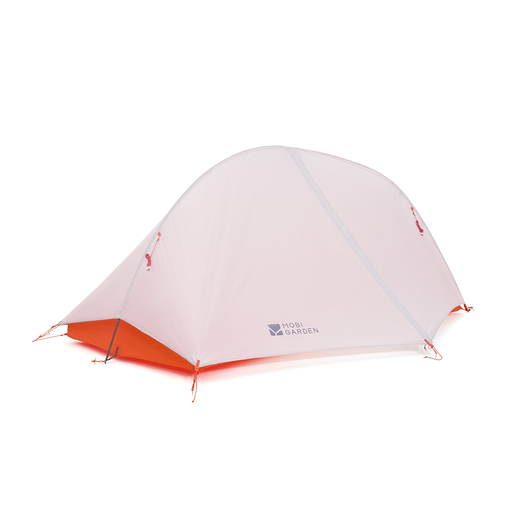
Why This Fits Their Persona: This is for the hiker who counts every gram. Ideal for multi-day treks in the Peak District or Scottish Highlands where a low pack weight is non-negotiable. It provides a reliable shelter without weighing you down.
It avoids the capacity squeeze by being an honest ultralight tent. Its purpose is shelter for one or two hikers with gear, not family living. The focus is on performance metrics like weight and pack size.
Extremely low weight at approx. 1.18 kg. The ultralight aluminium alloy poles offer a strong, wind-resistant structure without the weight penalty of fibreglass.
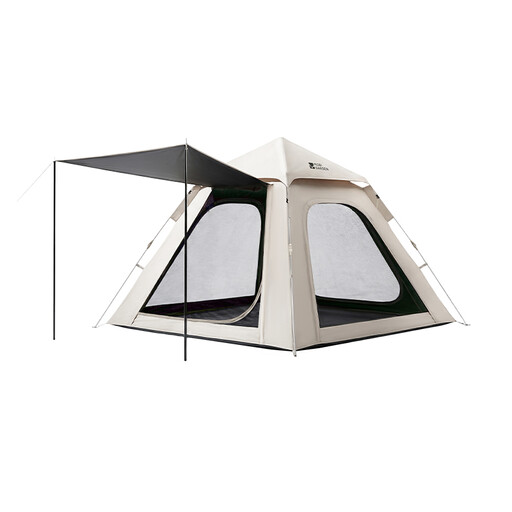
Why This Fits Their Persona: Perfect for families heading to a campsite in Cornwall or for a weekend festival. The quick setup minimises hassle, while the blackout fabric helps children (and adults) sleep longer after sunrise.
This model avoids the "instant setup" illusion with a user-friendly automatic frame that is simple to both erect and fold away. The blackout tent feature is a tangible comfort, not just a marketing claim.
The 6-layer blackout fabric provides excellent light and heat insulation. Its generous 5.76 m? floor space and five-sided ventilation make it a comfortable family camping tent.
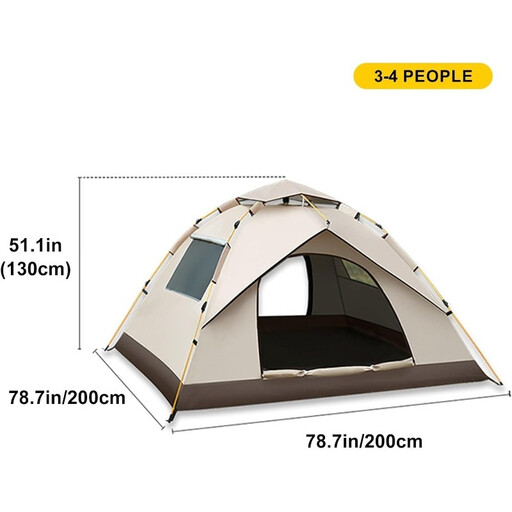
Why This Fits Their Persona: For someone dipping their toes into camping or needing a simple shelter for a music festival. The priority is an effortless setup and a reasonable price, without needing expedition-grade features.
This tent delivers on the "instant" promise with its automatic hydraulic system. It directly solves the number one frustration for beginners: wrestling with complicated poles and instructions.
The main benefit is its extremely fast, one-person setup. It also features a respectable 3000mm water resistance index and a two-layer design for better ventilation and weather protection.
We have compiled a complete, real-time list of products that fully satisfy these strict selection criteria and UK safety regulations.
A PU2000mm rating means the tent fabric can withstand a 2,000 mm column of water before any moisture penetrates it. In practical terms, this is a solid level of waterproofing suitable for most 3-season camping in the UK, capable of handling moderate to heavy rain for a sustained period.
Ignore the "person" number as a strict rule. For comfort, always choose a tent rated for at least one person more than will be sleeping in it. For a couple, a 3-person tent provides ample room for two people and their gear. For a family of four, a 5 or 6-person tent is a much more realistic and comfortable choice.
A blackout tent can be a significant advantage. The special fabric blocks out the majority of daylight, which is ideal if you have young children who need to nap during the day or if you simply want to avoid being woken up at 5 a.m. by the summer sun. They also tend to stay slightly cooler on hot, sunny days.