
24/7 全天候客户支持

免费退货

当日/次日达

品质保障

开启新人专享福利: 全场免邮 | 低至 2 折 | 免费试用 30 天 JoyPlus 会员
下载 Joybuy
A good camping tent is your home away from home, the reliable shelter that stands between you and the elements. Yet, choosing the right one can feel like navigating a minefield of confusing jargon and exaggerated claims. Many campers in the UK have stories of trips dampened by a tent that promised much but delivered little. Before you invest, it's crucial to understand the common traps that lead to disappointment.
pop up tent is strong. They spring into shape in seconds, but the real challenge often comes when it's time to pack away. Many a camper has wrestled with a stubborn disc of fabric and poles, only to give up and stuff it back in the car, risking damage.By understanding a few key parameters, you can sidestep these issues and select a camping tent that truly meets your needs.
To make an informed choice, focus on the specifications rather than the flashy features. Three factors are particularly important for UK campers: waterproofing, the balance between weight and space and the setup mechanism.
The single most important specification for a waterproof tent in the UK is its Hydrostatic Head (HH) rating, measured in millimetres (mm). This indicates how much water pressure the fabric can withstand before it starts to leak.
Also, check for taped seams. This is a waterproof strip that seals the stitching holes, a common point for leaks. A high HH rating is less effective if the seams are not properly sealed.
The ideal tent is both lightweight and spacious, but usually, you have to prioritise one over the other. Your choice depends entirely on how you plan to camp.
hiking tent or lightweight tent intended for backpacking, every gram counts. Look for models under 3 kg for two people. The packed size is also critical, as it needs to fit inside or on your rucksack.family camping tent used for car camping or at established campsites, weight is less of a concern. Here, you should prioritise internal floor area, head height (can you stand up inside?) and separate living/sleeping areas. Always check the floor dimensions (e.g., 240 cm x 240 cm) rather than just the "person" number.Modern tents offer various setup systems, each with its own benefits.
pop up tent often uses a flexible, coiled frame that springs into shape when released. Automatic tents have hinged pole systems that click into place. They are excellent for casual campers, festival-goers and families who value a quick pitch.hiking tent used in exposed locations.Based on these practical considerations, we've matched a few options to different types of campers.
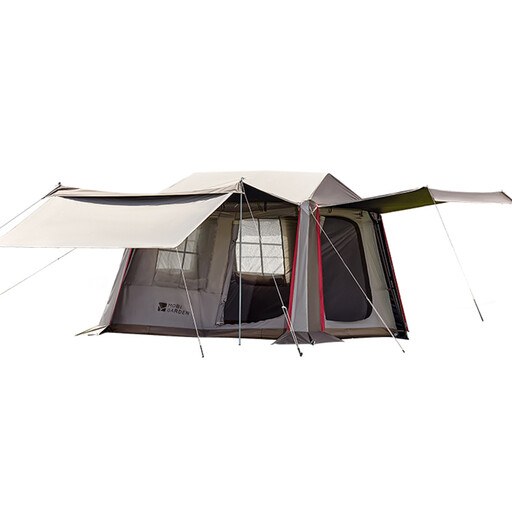
Why This Fits Their Persona: Ideal for families on campsite holidays who need generous space and comfort. The standing-height interior and large canopy area create a proper living space for dining and relaxing, while the blackout fabric helps children sleep longer on bright summer mornings.
It avoids unrealistic capacity claims by providing clear floor area figures (5.9 m?). The auto-opening aluminium frame is more robust and manageable than flimsy pop-up designs.
Features a blackout tent fabric to block light and heat. The integrated side canopies massively extend the sheltered living area.
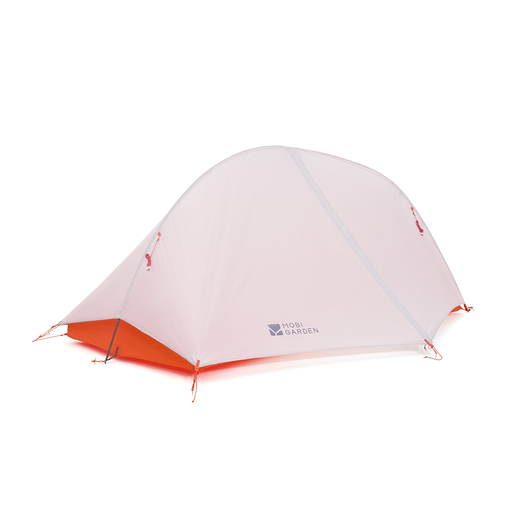
Why This Fits Their Persona: Built for the serious backpacker or multi-day hiker where every gram matters. Its extremely low weight and tiny packed size make it perfect for carrying over long distances in the Lake District or Scottish Highlands.
This is a true lightweight tent that prioritises performance over misleading comfort claims. It's an honest 2 person tent for users who understand the need to sacrifice some internal space for a lighter pack.
Exceptional weight control at approx. 1.18 kg. The 20D ripstop nylon fabric offers a good balance of durability and low weight for a 3-season shelter.
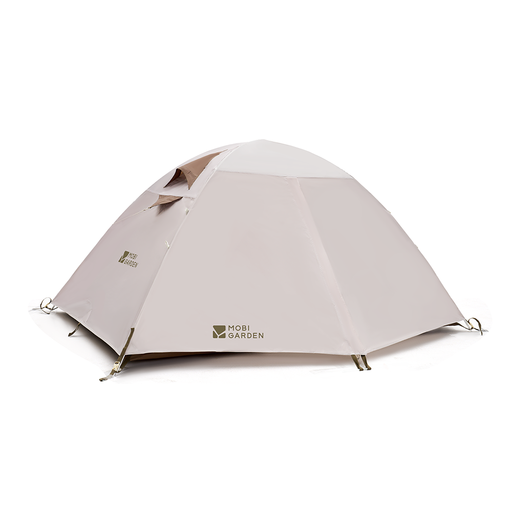
Why This Fits Their Persona: A great middle-ground for couples or solo campers who enjoy a mix of weekend hikes and campsite stays. It's light enough for moderate backpacking but still offers enough comfort for a more relaxed trip.
It avoids the "waterproof myth" with solid, clearly stated ratings: a PU2000mm outer tent and an even more robust PU4000mm groundsheet to prevent water ingress from below.
Offers a strong balance between weight (approx. 2.64 kg) and weather protection. The traditional pole structure is easy to set up and reliable in windy conditions.
We have compiled a complete, real-time list of products that fully satisfy these strict selection criteria and UK safety regulations.
A 3-season tent is designed for spring, summer and autumn conditions. It's built to handle rain and moderate winds but is not intended for heavy snow or severe winter storms. For the vast majority of camping trips in the UK, from coastal sites to national parks, a good quality 3-season tent is the most practical choice.
Condensation is caused by moisture from your breath and the air condensing on the cool inner surface of the tent. It can be mistaken for a leak. To minimise it, ensure you use the tent's ventilation options. Look for models with mesh panels, high/low vents and doors that can be partially unzipped at the top. Pitching your tent in a spot with a slight breeze can also help.
A blackout tent uses a special fabric coating to block out most daylight. This can be a significant advantage for families with young children who need to nap during the day or for anyone who is a light sleeper and doesn't want to be woken by the sun at 5 a.m. on a summer morning. The fabric can also help keep the tent slightly cooler in direct sun.