
24/7 Customer Support

Free returns

Same-day & Next-day Delivery

Quality Guaranteed

Unlock Your Welcome Offers: FREE Delivery | Up to 80% OFF | Free 30-day JoyPlus trial
Download the APP
Finding the right camping tent can feel like a daunting task. With the famously unpredictable British weather, you need a shelter that is not only the right size for your party but also capable of handling a sudden downpour. Whether you are planning a family holiday, a weekend hiking trip or heading to a festival, the sheer number of options can be overwhelming.
As a Joybuy Product Recommendation Officer, my role is to help you navigate the market. This guide cuts through the clutter, focusing on practical features and objective information to help you select a reliable camping tent for your specific needs. We will look at key considerations and highlight a few recommended options to get you started.
Before diving into specific products, let's cover a few essential factors to consider. Getting these right will ensure your camping trip is comfortable and enjoyable, whatever the weather throws at you.
In the UK, a waterproof tent is non-negotiable. A tent's waterproof capability is measured by its Hydrostatic Head (HH) rating, given in millimetres (mm). This figure indicates how much water pressure the fabric can withstand before it starts to leak.
Always check the HH rating for both the flysheet (the outer layer) and the groundsheet.
The shape and style of a tent often dictate its performance and living space.
Tent capacity is often stated in terms of the number of people it can sleep (e.g., 2 person tent, 4 person tent). However, these ratings are typically based on standard sleeping mats with very little extra room. For greater comfort, especially on longer trips or if you have a lot of camping gear, it is often wise to choose a tent with a capacity one person higher than your group size. For a couple, a 3-person tent provides ample room for two people and their bags.
Based on features, user needs and value, here are a few standout options available on Joybuy.
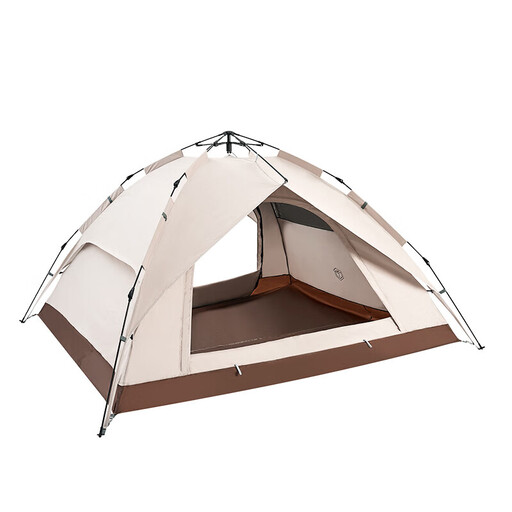
Why It Stands Out: This tent combines the convenience of a pop-up design with the robust protection of a dual-layer, waterproof structure. Its automatic mechanism makes setup incredibly fast, while the impressive waterproof rating ensures you stay dry.
Pros:
Who is it for? Campers who value speed and simplicity without sacrificing weather resistance. It is an excellent choice for weekend trips, festivals and families with young children who need a hassle-free setup.
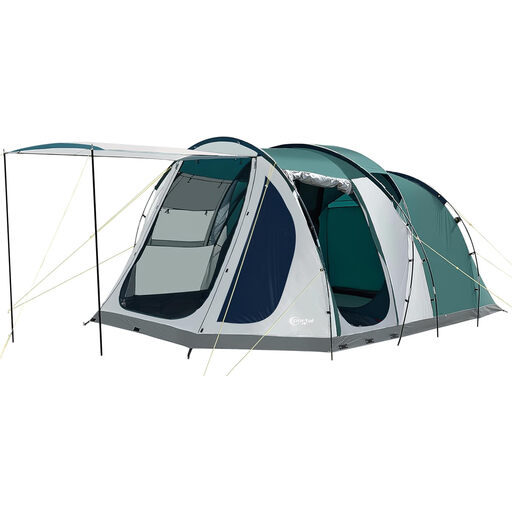
Why It Stands Out: This is a substantial family tent designed for comfort on longer stays. Its tunnel shape creates a huge amount of usable space, with separate living and sleeping areas and a full-height ceiling that allows you to stand up inside.
Pros:
Who is it for? Families or groups on car camping holidays. If you need a comfortable, spacious and reliable base for a week-long trip, this 5 person tent is an outstanding candidate.
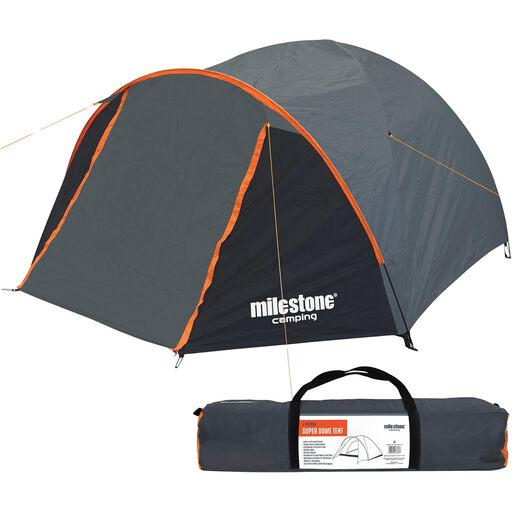
Why It Stands Out: This tent offers a classic, no-fuss solution for couples or solo adventurers. It is lightweight, easy to pitch and provides reliable shelter for typical British summer conditions, making it a practical and affordable choice.
Pros:
Who is it for? Couples, solo campers and festival-goers looking for a simple and effective 2 person tent. It is also a good option as a lightweight hiking tent for weekend treks in fair weather.
These recommendations cover some of the most popular camping scenarios, but every adventurer has unique needs. If you are looking for a different size, a lighter hiking tent or a shelter with specific features, there are many other models to consider.
Explore our full collection of outdoor shelters to find the perfect match for your next adventure.
What does the 'mm' waterproof rating on a tent mean? The 'mm' rating refers to the Hydrostatic Head (HH). It measures how tall a column of water the tent's fabric can hold before it leaks. For example, a 3000mm rating means the fabric can withstand a 3-metre column of water. For UK camping, a rating of 2000mm or higher is recommended.
How many people can a 4 person tent really fit? A 4 person tent is designed to sleep four adults side-by-side in sleeping bags with minimal gear. For a more comfortable experience, especially with luggage and airbeds, a 4 person tent is often more suitable for two or three people. As a general rule, consider sizing up by one person for extra comfort.
What is the difference between a dome tent and a tunnel tent? A dome tent uses two or more flexible poles that cross in the centre, creating a square or rectangular base and a dome-shaped roof. This design is freestanding and offers good stability in wind. A tunnel tent uses a series of parallel hoops to create a longer, tunnel-like shape. They are not usually freestanding but offer an excellent space-to-weight ratio, making them ideal for family and group camping.