
24/7 全天候客户支持

免费退货

当日/次日达

品质保障

开启新人专享福利: 全场免邮 | 低至 2 折 | 免费试用 30 天 JoyPlus 会员
下载 Joybuy
A good camping tent is your home away from home, whether you're scaling a peak in the Lake District or setting up for a weekend festival. Yet, navigating the market can be a minefield of confusing jargon and features that sound great on paper but fail in a downpour. Many campers end up with a tent that’s too heavy, too small or simply not up to the challenge of British weather.
Before you make a purchase, it's crucial to understand the common pitfalls. Many buyers are swayed by exaggerated marketing claims, only to find their new shelter lets them down when it matters most. Here are the key issues to watch for:
pop up tent is tempting, but many basic models are a false economy. They can be surprisingly bulky to transport, a nightmare to fold back into their bags and often lack the structural integrity to withstand a gusty night on an exposed campsite.4 person tent rarely fits four adults comfortably, especially with luggage. Manufacturers often calculate capacity based on sleeping mats laid edge-to-edge, leaving zero room for movement or storage. This is a frequent source of frustration for families and groups.To avoid these traps, focus on a few core parameters. Understanding these will empower you to select a tent that genuinely meets your needs, rather than one that just has good marketing.
This is the single most important factor for camping in the UK. The Hydrostatic Head (HH) is a measurement of how waterproof a fabric is. It's measured in millimetres (mm) and indicates how tall a column of water the fabric can withstand before it leaks.
waterproof tent in this category will handle prolonged rain and keep you dry.Always look for taped seams as well. This is a waterproof strip that seals the stitching holes in the fabric, which are a common point for leaks.
Your ideal tent depends entirely on how you plan to use it. There is no single perfect design, only the right tool for the job.
ultralight backpacking tent or lightweight hiking tent prioritises a low pack weight (typically under 2 kg for a 2 person tent) and a small packed size. This is achieved by using advanced, lightweight materials for the poles and fabric, but often means less interior living space.family camping tent should offer generous headroom, separate sleeping compartments and a large living area. Features like blackout tent technology can also be a huge benefit for getting children (and adults) to sleep.automatic tent or a higher-quality pop up tent offers a great balance. They set up in minutes, leaving you more time to enjoy yourself. Look for models with robust frames and good ventilation to stay comfortable.Here are a few options that align with specific needs, helping you sidestep the common purchasing traps.
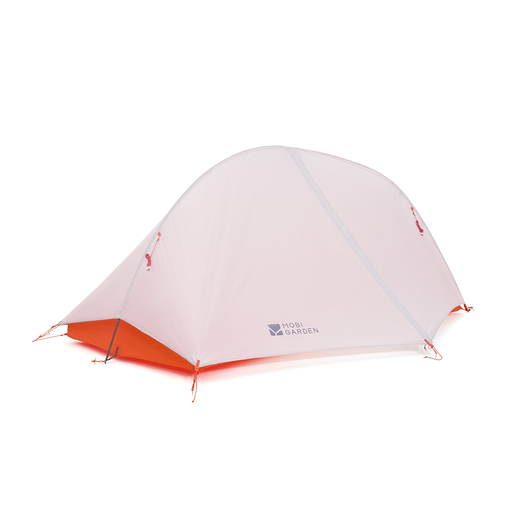
Why This Fits Their Persona: Designed for long-distance hikers and mountain traverses where low weight is paramount. At just 1.18 kg, it provides reliable shelter for two without adding significant bulk to a pack.
It provides a clear PU2000mm waterproof rating and uses ultralight aluminium poles, ensuring stability and weather resistance far beyond a flimsy pop-up model. It avoids the capacity trap with a design for two people plus vestibule space for gear.
Extremely low weight (approx. 1.18 kg) and compact packed size (48 × 11 cm). The double-door design and large mesh inner tent provide excellent ventilation to minimise condensation.
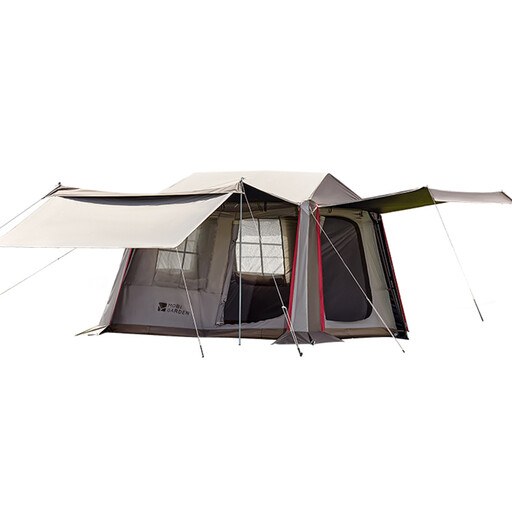
Why This Fits Their Persona: Perfect for car-camping families who need space, comfort and a quick setup. The generous 5.9 m? interior and 190 cm height mean you can stand up inside, a huge plus for longer trips.
It solves the capacity issue with a large, specified floor area and extendable canopies for a massive 15.2 m? of total sheltered space. The automatic aluminium frame is far more robust and user-friendly than a flimsy pop-up design.
The blackout fabric keeps the interior dark and cool, ideal for midday naps. The quick-setup automatic frame makes pitching simple, even for beginners and panoramic mesh windows offer excellent ventilation.
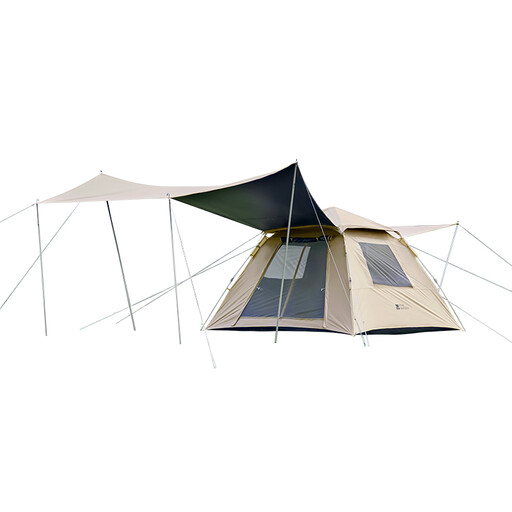
Why This Fits Their Persona: For those who want to pitch their tent in seconds and get on with their holiday or festival. The combination of instant setup, blackout fabric and generous space makes it ideal for relaxed camping.
This model features an upgraded fibreglass automatic frame, which is more stable than basic pop-ups and is rated to withstand Force 6 winds. The blackout fabric is a specific, high-performance feature, not just a marketing gimmick.
Extremely fast "3-second" pop-up structure. The 6-layer blackout fabric provides excellent darkness for sleeping late and keeps the tent cooler in the sun. Five-sided ventilation offers great airflow.
We have compiled a complete, real-time list of products that fully satisfy these strict selection criteria and UK safety regulations.
For the majority of 3-season camping in the UK, a tent with a 2000mm HH rating is sufficient to keep you dry during typical rainy spells. This level of waterproofing, when combined with properly taped seams, provides a reliable barrier against most conditions you'll encounter from spring to autumn. For winter camping or trips to mountainous areas known for severe weather, you may want to consider 3000mm or higher.
Condensation is caused by moisture from your breath and the air, and it's often mistaken for a leak. To minimise it, ensure good ventilation. Open the vents on your tent, even if it's raining. If your tent has a double-wall design (an inner tent and an outer flysheet), make sure the flysheet is pitched tautly so it doesn't touch the inner tent. Pitching your tent away from rivers or marshy ground can also help.
A tent's season rating indicates the weather conditions it's designed for: