
24/7 全天候客户支持

免费退货

当日/次日达

品质保障

开启新人专享福利: 全场免邮 | 低至 2 折 | 免费试用 30 天 JoyPlus 会员
下载 Joybuy
Choosing between camping tents can look straightforward until you compare packed weight, waterproofing, sleeping capacity and set-up time. A tent that works for a summer festival may be inconvenient on a hill walk, while a lightweight hiking tent may feel cramped during a family weekend.
The main risk is buying based on headline features alone. Before choosing, consider how you will carry, pitch and use the tent in typical UK conditions.
A hydrostatic head rating, such as PU2000mm or PU3000mm, indicates the water pressure the fabric can resist in controlled conditions. It does not tell you how the tent will perform if seams are poorly sealed, the groundsheet is exposed, or rain blows through open ventilation panels.
Look for the rating of both the outer tent and floor, taped seams where stated and a design that keeps the inner sleeping area separate from the flysheet. Always pitch on ground that does not collect water.
A “2-person camping tent” normally describes sleeping capacity with limited room for luggage. A family camping tent with a 2–5-person rating may provide more floor area, but packed dimensions and weight can increase considerably.
Check the actual open dimensions, peak height, door arrangement and porch or canopy space. Two adults carrying backpacks may appreciate dual doors, while families may prioritise standing height and room for changing.
A pop-up camping tent or instant set-up tent can reduce assembly time, but it still needs careful positioning, pegging and guy-line adjustment. Automatic frames also add structure and weight. A quick pitch does not remove the need to secure the tent against gusts or inspect the ground for stones and sharp debris.
For general three-season use, compare the flysheet and groundsheet waterproof ratings rather than relying on the word “waterproof” in a product title. Mesh panels, multiple doors and adjustable vents help reduce condensation, particularly when wet clothing and sleeping bags are inside.
A 3-season tent is generally intended for spring, summer and autumn conditions, not winter blizzards or extreme storms. Even a well-coated fabric can become less effective if repeatedly stored damp, exposed to strong sunlight or damaged by abrasion.
For a lightweight hiking tent, the packed size can matter almost as much as the stated weight. A 1.18kg tent packed to 48 × 11 × 11cm is easier to accommodate in a hiking rucksack than a 7.8kg family shelter packed to 86 × 18 × 18cm.
An ultralight backpacking tent usually uses thinner fabrics and lighter poles. This can make it practical for long-distance routes, but it requires more care around thorny vegetation, rough ground and sharp equipment. For car camping, a heavier frame may be a reasonable trade-off for space and convenience.
Hydraulic or auto-frame systems can help one person pitch a tent quickly. However, check whether the outer flysheet, pegs and guy lines still require separate fitting.
For sunny campsites and picnics, a blackout camping tent with UV protection can make the interior darker and reduce direct sunlight. Look for the stated rating rather than assuming all dark fabrics provide the same protection. Ventilation remains important because blackout materials may retain heat if doors and windows stay closed.
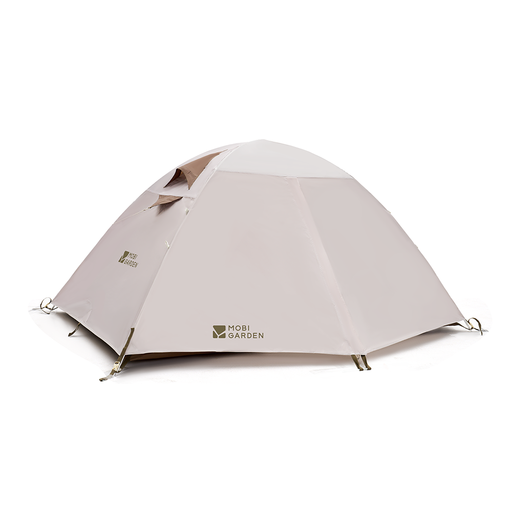
Why This Fits Their Persona: A practical two-person option for occasional UK hikes, campsites and short outdoor trips where manageable weight matters.
Its stated dimensions, 2.64kg total weight and separate PU ratings make capacity and weather protection easier to compare than a vague “all-weather” claim.
Sleeps two, packs to 41 × 16 × 16cm and uses a 68D tear-resistant polyester outer with an aluminium alloy frame.
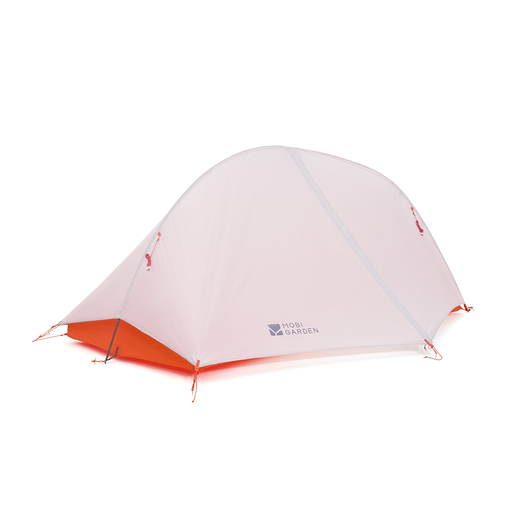
Why This Fits Their Persona: Designed for backpackers who count every gram on long-distance routes, mountain traverses and three-season trips.
The 1.18kg net weight and 20D ripstop nylon are clearly specified, while the product guidance acknowledges that lightweight fabric needs careful handling.
Ultralight aluminium poles, dual doors, large mesh panels and PU2000mm flysheet protection.
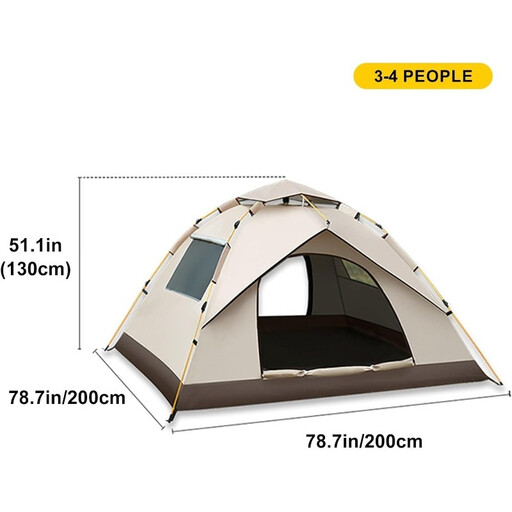
Why This Fits Their Persona: Suitable for campers who value quick pitching, two-door access and adaptable shelter for weekends, festivals or family outings.
The automatic opening system is paired with stated 3,000mm outer-fabric water resistance, a detachable outer layer and a durable groundsheet.
Two doors and two windows support airflow, while the packed size is approximately 30 × 6.8 × 5.7 inches and weight is about 3kg.
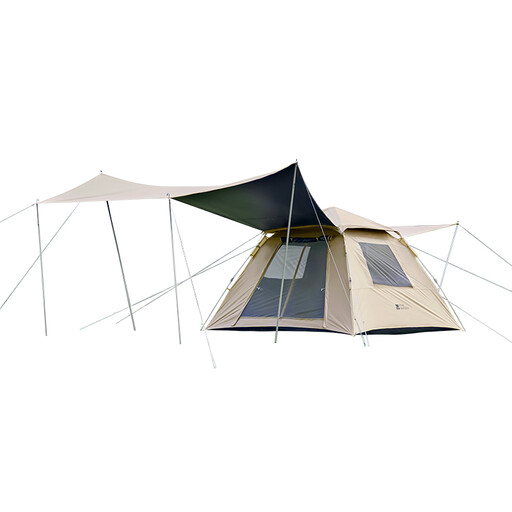
Why This Fits Their Persona: A portable outdoor shelter for car-based camping, picnics and festivals where interior space, shade and quick set-up are priorities.
It specifies a 240 × 240 × 155cm tent area, a separate canopy, PU2000mm waterproofing and a stated UPF50+ rating instead of relying only on “sun protection” wording.
Three-second pop-up structure, blackout fabric, five-sided mesh ventilation and capacity stated as 2–5 people.
We have compiled a complete, real-time list of products that fully satisfy these strict selection criteria and UK safety regulations.
A tent’s usable lifespan depends heavily on storage and handling. After a wet trip, dry the inner tent, flysheet, poles and pegs fully before packing them away. Store the fabric loosely in a cool, dry place rather than leaving it compressed and damp.
Avoid machine washing, stiff brushes and corrosive cleaners. Keep footwear, sharp objects and cooking equipment away from the inner tent. Never use naked flames, stoves or smoking materials inside a tent, as fabric and coatings can ignite.
Many are designed for rain, but performance depends on fabric ratings, seam construction, pitching and site conditions. A tent with a PU2000mm or PU3000mm outer rating can be suitable for ordinary three-season use when correctly pitched, but no rating removes the need for sensible campsite selection and ventilation.
A pop-up camping tent or automatic hydraulic tent usually requires less pole assembly than a conventional hiking design. It still needs pegging, guy lines and careful folding after use. Practise packing the tent at home before taking it to a busy campsite or festival.
For backpacking, many buyers look for a lightweight hiking tent under approximately 3kg, although the suitable weight depends on the equipment carried and the balance between durability, space and weather protection. Car campers can reasonably choose a heavier model if larger living space and faster set-up are more important.