
24/7 全天候客户支持

免费退货

当日/次日达

品质保障

开启新人专享福利: 全场免邮 | 低至 2 折 | 免费试用 30 天 JoyPlus 会员
下载 Joybuy
Choosing camping tents and outdoor lighting involves more than comparing prices and attractive product photographs. A tent may look spacious online but feel cramped once sleeping bags and luggage are inside. A lamp may appear powerful but have no practical hanging point or require batteries that are not included.
Whether you are planning a family campsite stay, a festival weekend or a lightweight hiking trip, the following checks can help you avoid common buying mistakes.
A hydrostatic head rating, such as PU2000mm, indicates the pressure of water a fabric coating can withstand under laboratory conditions. It does not guarantee that every seam, zip or groundsheet will remain dry during prolonged heavy rain.
Look for:
A waterproof 2-person tent can be suitable for ordinary three-season use, but it should not automatically be treated as a winter or extreme-weather shelter.
A stated capacity normally refers to the number of sleeping positions, not the amount of room for bags, wet coats or changing clothes. A family camping tent marked for 2–5 people may offer more flexibility, but its packed size and weight can be considerable.
Before buying, compare:
For backpacking, a compact 2-person tent may be more practical than a larger shelter, even if it offers less interior room.
A pop-up camping tent can reduce pitching time, but it still needs to be positioned on suitable ground, pegged securely and supported with guy lines when conditions require it. Auto frames also need careful folding to prevent damage.
Avoid pitching on sharp stones, thorns or uneven ground. After a wet trip, dry the tent fully before storage to reduce the risk of mould and coating deterioration.
For general UK camping, a flysheet and floor rated around PU2000mm can provide a useful level of rain resistance for typical campsite conditions. Taped seams are particularly important because stitching creates small entry points for water.
Lightweight hiking tents often use thinner nylon or polyester fabrics to reduce pack weight. This makes careful pitching and storage more important. Avoid dragging ultralight fabric across gravel or placing it near sharp branches.
For a lightweight hiking tent, compare the complete packed weight rather than the weight of the inner tent alone. The Mobi Garden YADEEN UL2 20D, for example, has an approximate net weight of 1.18kg, a packed size of 48 × 11 × 11cm, aluminium poles and a 2-person layout.
By contrast, a family camping tent with an automatic frame may prioritise rapid setup and room over portability. A larger shelter can be convenient when transported by car, but less suitable for carrying from a car park to a remote pitch.
A portable tent light should be easy to hang, simple to operate and suitable for the available power source. Battery-powered models are convenient away from electrical hook-ups, while USB operation can be useful at campsites, in caravans or with a power bank.
Check whether batteries and charging cables are included. For example, the Milestone hanging light uses either 3 × AAA batteries or a 5V 1A, 5W USB connection, but the batteries and USB cable are not included.
A camping lantern with an open flame requires additional care. Gas camping lamps should only be used outdoors or in areas with suitable ventilation, away from flammable materials. Do not use candles, stoves or unprotected flames inside a tent.
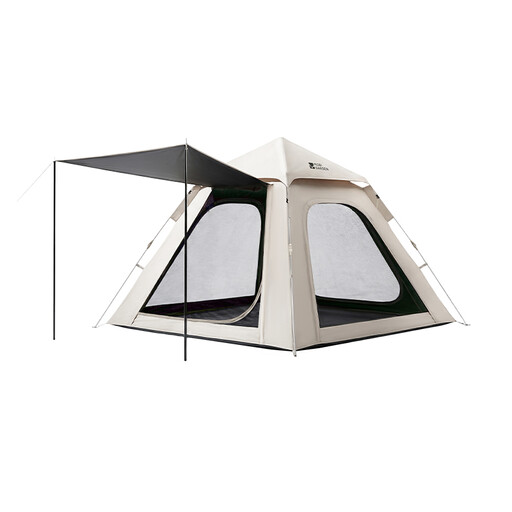
Why This Fits Their Persona: A practical option for new campers, festival-goers and couples who want quick pitching without carrying a backpacking shelter.
The stated 3-second pop-up structure still includes pegging and guy-line setup, while the PU2000mm flysheet and floor provide clearly listed rain protection.
240 × 240 × 155cm open size; blackout fabric; UPF50+ rating; capacity listed as 2–5 people.
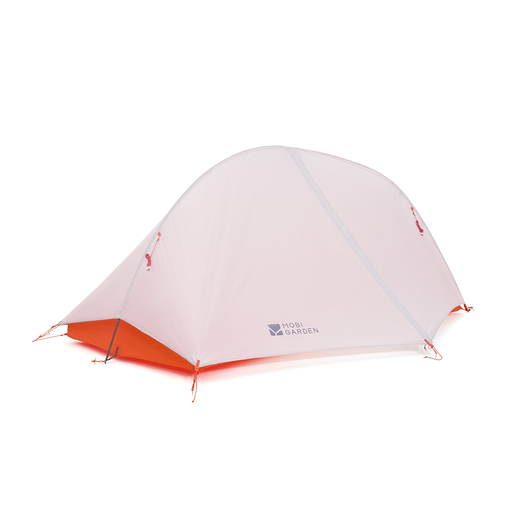
Why This Fits Their Persona: Designed for backpackers and hikers who prioritise low pack weight, compact storage and a dedicated 2-person shelter.
Its specifications state the complete approximate weight and packed size, making it easier to compare with other ultralight backpacking tent options.
Approx. 1.18kg; PU2000mm flysheet; dual doors; aluminium poles; overhead lantern hook.
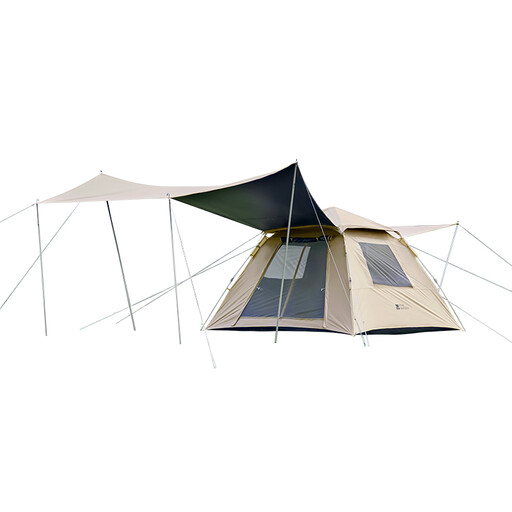
Why This Fits Their Persona: Suitable for car campers and families who want a larger covered area for sitting, eating and storing equipment.
The listing gives both tent and canopy dimensions, plus an approximate 7.8kg weight, so buyers can account for transport before ordering.
338 × 300 × 190cm canopy; blackout material; PU2000mm waterproofing; five-sided mesh ventilation.
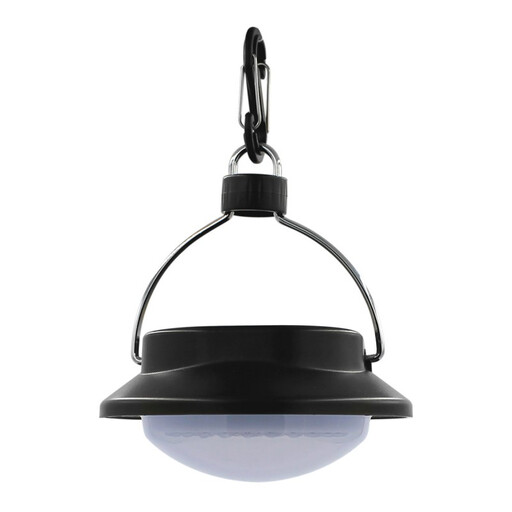
Why This Fits Their Persona: A flexible choice for campers who need one compact light for tent interiors, picnics and general outdoor use.
It lists three brightness settings and two power options, so users can choose lower output for reading or stronger illumination for shared spaces.
60 LEDs; 5, 17 and 60 LED modes; 120g ABS construction; S-hook hanging point; AAA or USB power.
We have compiled a complete, real-time list of products that fully satisfy these strict selection criteria and UK safety regulations.
A dependable setup usually needs more than a tent and lamp. Consider adding:
A gas camping lamp such as the BRS 55-Series uses butane gas and folds to approximately 4.1 inches. Its toughened glass lampshade and folding support legs are designed for outdoor use, but it must be operated in a well-ventilated area and allowed to cool before handling. An LED camping lantern is generally easier to use inside a tent because it avoids an exposed flame.
A battery or USB LED tent light is generally the practical option for interior use. Choose a model with adjustable brightness, a secure hook or clip and a power source that matches your trip. Keep LEDs out of direct eye line and follow the manufacturer’s instructions.
Pitch on raised, well-drained ground rather than in a dip. Ensure the flysheet does not touch the inner tent, use guy lines in windy weather and keep doors closed during rain. Dry the tent completely before packing it away for storage.
A blackout camping tent can reduce the amount of light entering the sleeping area and may feel more comfortable during bright mornings. A listed UPF50+ or similar UV protection rating gives a measurable specification to compare, but shade, ventilation and safe pitching remain important in warm weather.