Choose headphones according to what you need to hear besides the podcast: closed over-ear models with adjustable ambient sound suit seated listening near steady background noise, while open-ear designs make more sense when you are cooking or walking and need to hear people nearby. For damp or active use, check fit and the protection rating of each component; whichever design you choose, keep the volume modest and follow your campsite’s noise rules.
Who is listening?
Tent-side podcast listeners
If you mostly listen while seated in a tent, campervan or awning, following spoken instructions over nearby activity may be your priority. Adjustable ambient sound lets you change how much of your surroundings you hear when someone needs to speak to you.
Campsite cooks and walkers
Preparing food or moving around the site calls for more awareness of companions and nearby activity. An open-ear design leaves surrounding sound audible, though wind or a busy communal area can make podcast dialogue harder to follow.
Wet-weather and active campers
If you carry headphones between the pitch and campsite facilities, a secure fit and suitable rain or dust protection may matter most. Check earbuds and their charging case separately: a rating for one component does not necessarily apply to the other.
What matters when choosing?
Decide how much of the campsite you need to hear before comparing fit, weather protection and charging needs. Closed headphones, open-ear models and in-ear earbuds with an ambient mode offer different ways to balance podcast dialogue with awareness.
| Concern | What to check | Who this matters to |
|---|
| Clear speech at a modest volume |
Try spoken audio in your usual listening setting; check whether noise reduction and ambient sound can be selected quickly. |
When nearby conversation masks a recipe, I want to follow its instructions without continually raising the volume. Around 33% of consumers put clear speech first. |
| Awareness while moving |
Compare an open-ear design with a readily accessible ambient mode, and pause playback when a task needs your full attention. |
While cooking or walking across the site, I need to hear people and activity around me even if some background sound reaches the podcast. For around 25% of consumers, awareness is the main concern. |
| Weather protection and fit |
Check the stated rating for each component, the manufacturer’s exclusions and how securely the headphones fit. |
Moving between the tent and facilities, I want headphones that stay in place and suit the rain or dust I expect to encounter. That is the primary need for around 25% of consumers. |
| Charging and comfort |
Compare stated playback conditions, charging options and fit over the length of your usual listening session. |
On a longer trip, I would rather plan charging breaks than lose a podcast midway through cooking, and I need a fit I can wear comfortably. Around 17% of consumers prioritise charging and long-session comfort. |
Mistakes to avoid
-
Using noise cancelling for every campsite activity
Isolation may help with dialogue while you are seated, but it can also make people or nearby activity harder to notice when you are cooking or walking.
Use noise cancelling when your surroundings allow it; switch to ambient sound, choose an open-ear design or pause playback when awareness matters more.
-
Assuming one protection rating covers the whole set
JBL rates Endurance Race 2 earbuds IP68 but their charging case IPX2. The earbud rating should not be used to judge what exposure the case can withstand.
Check each component’s rating and keep the case away from conditions beyond its stated protection.
-
Treating stated battery life as guaranteed runtime
Playback claims depend on their stated conditions. Sony notes that WH-CH720N battery duration can vary with codec and use, so a headline figure may not match a multi-day trip.
Compare the conditions behind the claim with how you listen, and plan a charging option if you will be away for several days.
-
Turning up the podcast to overpower campsite noise
The World Health Organization advises that both listening level and duration affect hearing risk. More volume is not a substitute for choosing a suitable listening spot or headphone design.
Move somewhere quieter, adjust the fit or use appropriate noise reduction while stationary; use device exposure alerts where available.
Brands to consider for these listening styles
Sony
Relevant if you mainly listen while seated and want closed over-ear headphones with adjustable ambient sound.
- Sony UK lists noise cancelling and 20 ambient-sound adjustment levels for the WH-CH720N, along with up to 35 hours of Bluetooth playback under stated conditions.
- A closed design may be less suitable when you need to keep track of people and activity while cooking or walking.
Shokz
Relevant if hearing your surroundings matters more than isolating the podcast from campsite noise.
- Shokz describes OpenRun as an open-ear model and states an IP67 rating and up to eight hours of battery life.
- The open design does not block wind or nearby conversation, and Shokz excludes swimming from OpenRun’s stated use.
JBL
Relevant if you prefer compact in-ear earbuds with a secure active fit and a selectable awareness setting.
- JBL describes Endurance Race 2 earbuds with a winged fit, active noise cancelling, Smart Ambient and IP68-rated earbuds.
- JBL rates the charging case IPX2 rather than IP68; also consider whether an in-ear seal remains comfortable for a long podcast.
Joybuy options for campsite listening
These open-ear headphones and earbuds suit listeners who want to hear nearby activity while cooking or moving around a campsite. Because open-ear designs also let wind and surrounding noise in, consider where you usually listen before choosing one for spoken instructions.
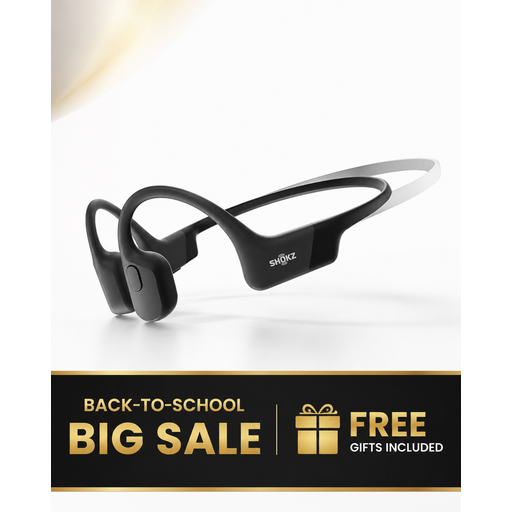 Image unavailable
Shokz OpenRun Mini Black bone-conduction headphones
The open-ear design is suited to listening while you need to remain aware of people nearby, though campsite noise will still reach you.
The product title states 26 g, IP67 protection, eight hours of battery life and 10-minute fast charging. Check the Mini headband fit for your head size before buying.
View on Joybuy
 Image unavailable
Shokz OpenDots One Grey open-ear clip-on earbuds
The open-ear clip-on format offers another way to listen while keeping nearby activity audible; it will not shut out wind or communal-area noise.
The product title lists Bluetooth 5.4. Check that the clip fits comfortably with any glasses or headwear you use.
View on Joybuy
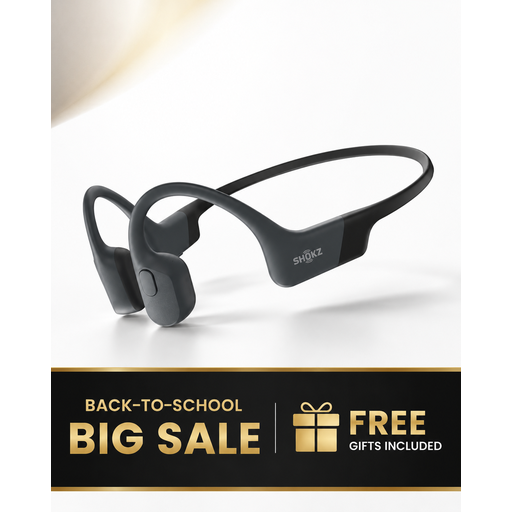 Image unavailable
Shokz OpenRun Black bone-conduction sport headphones
Open-ear listening suits moving around the campsite when hearing other people matters more than blocking background noise.
The product title states IP67 sweat resistance. Shokz lists up to eight hours of battery life for OpenRun and says the model is not for swimming.
View on Joybuy
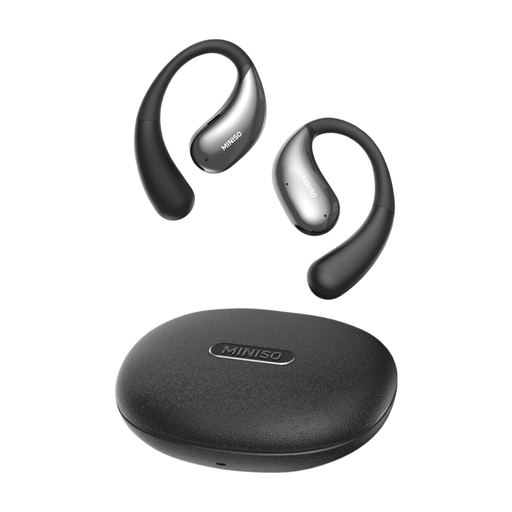 Image unavailable
Miniso X69 Black open-ear hook-style earbuds
The hook-style open-ear format may suit listening while you move around the pitch, provided the hooks fit securely and comfortably.
Surrounding sound will remain audible, so consider whether you can follow spoken instructions in the conditions where you plan to listen.
View on Joybuy
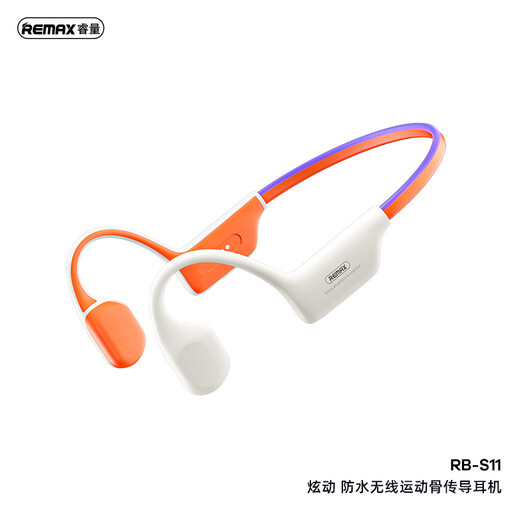 Image unavailable
REMAX Yvton RB-S11 Orange open-ear bone-conduction earphones
The open-ear format is relevant when you want podcast audio without closing off nearby sounds while cooking or walking.
Check the stated protection rating against the rain exposure you expect, and consider whether surrounding noise will make dialogue difficult to follow.
View on Joybuy
Common questions
Should I choose noise cancelling for a campsite podcast?
Noise cancelling is most useful when you are seated and steady background sound makes speech difficult to follow. Choose a model with an ambient setting if you also need to speak to people nearby, and pause playback when your surroundings require full attention. Sony lists adjustable ambient sound for the WH-CH720N.
Do open-ear headphones make sense while cooking or walking?
Open-ear headphones make sense when hearing people and activity around you is the priority. Shokz describes OpenRun as allowing surrounding sound to remain audible; the trade-off is that wind or campsite noise can compete with spoken podcast audio.
How can I keep long podcast sessions at a sensible volume?
Keep both volume and listening duration in mind rather than raising the level whenever the campsite gets louder. The World Health Organization advises that sound level and exposure time both matter; moving somewhere quieter or using suitable noise reduction while seated may help you listen without continually turning up the volume.
Do all UK campsites have the same rules about audio?
Check the rules for the site you have booked rather than assuming one rule applies everywhere. The Caravan and Motorhome Club notes that individual campsites may have additional rules, while the Camping and Caravanning Club’s Guide for Good Camping asks campers to keep radio and similar noise to a minimum. Headphones can help avoid disturbing neighbouring pitches, but audible leakage and other site rules still matter.


