Lecture-first campsite listeners
If recorded speech is hard to follow at a busy pitch, you may put isolation, a comfortable fit and enough charge for a full lecture ahead of continuous awareness of your surroundings.


For seated lecture listening at a noisy campsite, choose closed over-ear headphones with active noise cancelling if following speech is your priority; check comfort, battery life with noise cancelling on and whether you can switch to an ambient mode. Choose open-ear headphones when hearing people and activity around the site matters more, accepting that they will not isolate the lecture from background noise. Keep the volume moderate and check the exact model’s moisture limits before taking it outdoors.
If recorded speech is hard to follow at a busy pitch, you may put isolation, a comfortable fit and enough charge for a full lecture ahead of continuous awareness of your surroundings.
When charging access is limited, battery life under the listening mode you intend to use matters more than an unqualified maximum-runtime claim.
If you listen while walking around the site or need to hear people and vehicles, open-ear headphones preserve awareness but leave surrounding conversation and wind audible.
For recorded lectures at a campsite, decide whether understanding speech, lasting between charges or hearing your surroundings is your primary need.
| Concern | What to check | Who this matters to |
|---|---|---|
| Speech focus | Check for a closed over-ear fit, active noise cancelling and a comfortable fit for a full lecture. An ambient mode helps when you need to hear the site. | If nearby conversations make recorded speech difficult to follow, I want to concentrate without turning the volume up; around 42% of consumers put speech focus first. |
| Time between charges | Compare stated runtime with noise cancelling in the mode you will use, and check charging options for your trip. | With limited access to a socket, I need my headphones to last through several listening sessions. Around 33% of consumers make charging independence their primary concern. |
| Awareness and weather | Decide whether open-ear listening or an ambient mode fits your activities; check the exact model’s moisture limits and your campsite’s rules. | When moving around the pitch, I need to hear people and site activity while keeping my headphones suited to the conditions; for around 25% of consumers, awareness and weather are the main concern. |
Open-ear headphones leave surrounding sound audible, so nearby conversations can make recorded speech harder to follow.
Use them when awareness is the priority. For seated listening where background sound is distracting, consider closed over-ear headphones with noise cancelling instead.
A maximum quoted with noise cancelling off does not describe a session with noise cancelling on. Sony UK, for example, states different maximum runtimes for the WH-CH720N in those two modes.
Compare figures for the setting you expect to use, charge before travelling and check that your charging cable works with the power source you plan to bring.
Moisture limits differ by model: Shokz UK rates OpenRun IP67 but explicitly excludes swimming, while it describes OpenMove as resistant to splashing water.
Check the exact model’s stated protection and exclusions, and put headphones away when conditions exceed those limits.
The World Health Organization advises that both listening volume and duration affect noise exposure. Isolation does not replace moderate volume or awareness of your surroundings.
Try a suitable fit or noise cancelling rather than raising the volume to overcome background sound. Pause playback or use an ambient mode when you need to hear what is happening around you.
The WH-CH720N is a closed over-ear option for seated lecture listening. Sony UK lists an ambient sound mode, a supplied 1.2 m cable and an approximate weight of 192 g.
The foldable Tune 770NC combines noise cancelling, an ambient-listening feature and multipoint connection for consumers balancing lecture sessions with packing and device switching.
Space One is an over-ear noise-cancelling option for listeners who want to reduce distractions during seated lectures.
OpenRun and OpenMove offer open-ear listening for consumers who need to remain aware of activity around the campsite.
These choices include noise-cancelling headphones for focused lecture listening and an open-ear model for times when hearing the campsite matters more. Compare the exact features and fit you need rather than treating either style as suitable for every part of your trip.
 No image available
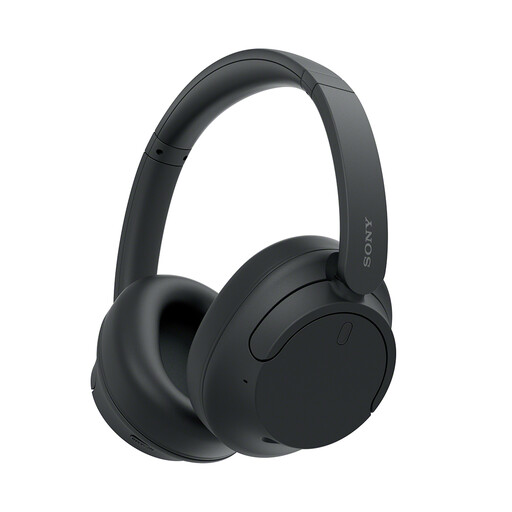
For seated lectures where campsite noise is distracting, this closed over-ear model offers noise cancelling and an ambient sound mode. Sony UK states a maximum of 35 hours of playback with noise cancelling on, an approximate weight of 192 g and a supplied 1.2 m cable. Check the fit for longer sessions and keep the headphones protected from moisture.
 No image available
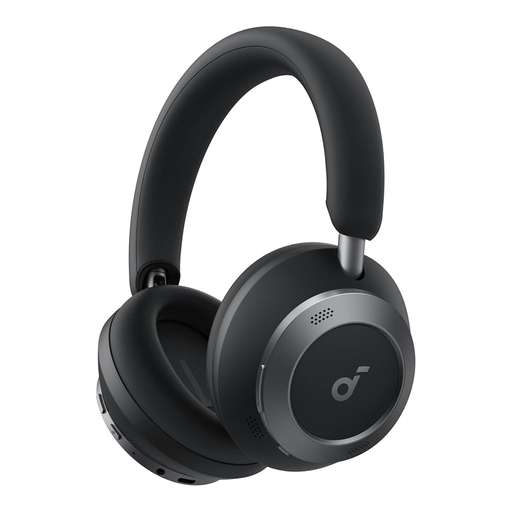
For seated listening when surrounding sound is distracting, this over-ear model has adaptive active noise cancelling. Check its fit, whether it offers an ambient mode and its moisture limits if you also intend to wear it while moving around the site.
 No image available
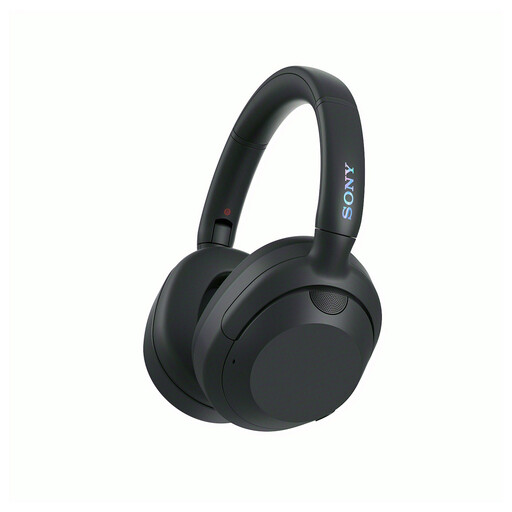
For focused, stationary lecture listening, this over-ear model has noise cancelling. If you plan to move around the campsite while listening, check its awareness controls; keep it away from liquids and check whether any wired connection suits your lecture device.
 No image available
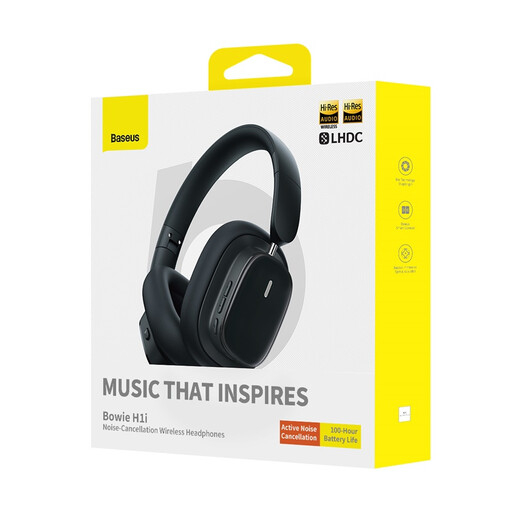
If noise around your pitch makes lectures difficult to follow, this wireless model offers noise cancellation. Before choosing it for longer sessions or outdoor movement, check the wearing style, fit, awareness controls and moisture limits against your plans.
 No image available
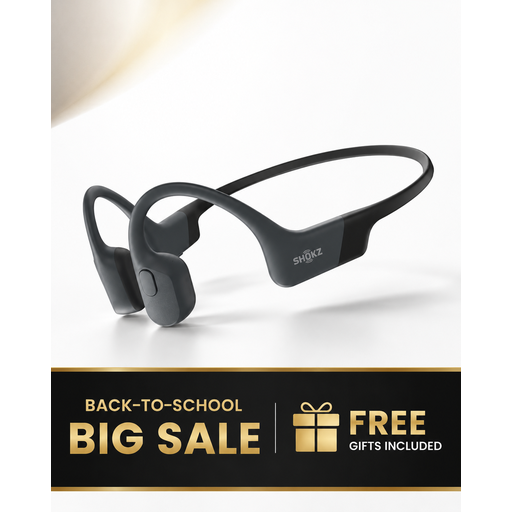
For listening while remaining aware of people and activity around the campsite, OpenRun leaves the ears open, but it will not isolate speech from a noisy pitch. Shokz UK specifies a weight of 26 g and an IP67 rating, and explicitly excludes swimming.
Choose a well-fitting noise-cancelling design if you will sit where surrounding sound makes speech hard to follow. The World Health Organization notes that well-fitting noise-cancelling headphones can reduce the need to raise the volume in noisy settings; use an ambient mode or remove the headphones when you need to hear the site.
Compare manufacturer figures for the same listening mode. Sony UK specifies maximums of 35 hours with noise cancelling on and 50 hours with it off for the WH-CH720N; JBL’s stated 70-hour maximum for Tune 770NC applies with Bluetooth on and noise cancelling off. Neither maximum guarantees your runtime on a trip.
Do not assume that an IP rating permits swimming: Shokz UK explicitly excludes swimming for its IP67-rated OpenRun. It describes OpenMove as resistant to splashing water. Check the protection limits of the exact model before exposing either to moisture.
Headphones keep your lecture from being played aloud, but you still need to follow your booked campsite’s rules. Porthclais Campsite, for instance, requires low-volume music and entertainment and sets its own quiet hours; do not assume its policy applies at another site.
Keep the volume moderate and take breaks during long listening sessions. The World Health Organization advises setting device volume to no more than 60% of maximum and, if you monitor sound level, staying below an 80 dB average; it notes that both volume and duration affect exposure.