
24/7 Customer Support

Free returns

Same-day & Next-day Delivery

Quality Guaranteed

Unlock Your Welcome Offers: FREE Delivery | Up to 80% OFF | Free 30-day JoyPlus trial
Download the APP
Canadian sardines can be a convenient cupboard staple for quick lunches, simple dinners and protein-rich snacks. However, the wording on a tin does not always tell you everything about its contents. “Canadian style” may describe the preparation rather than the catch location, while sauce, oil and serving size can significantly affect how the product fits your diet and recipes.
Joybuy Product Recommendation Officer guidance: focus on the ingredient list, nutritional panel, storage instructions and intended use before choosing between spring water, tomato sauce or hot peppers.
A product name can refer to a traditional preparation or recipe style rather than the country where the fish was caught or packed. For example, the spring-water sardines are made in the UK, the tomato-sauce variety is packed in Canada from domestic and imported ingredients, and the hot-pepper version is made in Poland.
If provenance matters to you, check the country-of-origin information on the product page and packaging rather than relying only on the front label.
Sardines in spring water generally have a shorter ingredient list, making them suitable when you want to add your own lemon, herbs, olive oil or dressing. Sardines in tomato sauce bring a ready-made flavour but may include ingredients such as soybean oil, sugar, starch and seasonings.
Sardines with hot peppers are packed in soybean oil and contain vinegar and Tabasco peppers. This can be useful for sandwiches and spicy salads, but it may not suit people avoiding soy, added oil or stronger flavours.
Tinned sardines and canned sardines vary in fish content, sauce, salt and protein. The spring-water product lists 20g of protein per 100g, while the tomato-sauce variety lists 15.1g per 100g. These figures are not a complete measure of overall quality, but they help you compare products for a particular meal plan.
Also check the serving format. A 106g tin is practical for one light meal, but larger households may need multiple tins for pasta, sharing platters or packed lunches.
Look for the fish species, percentage of fish and packing liquid. The spring-water option contains sardines, spring water and salt, with sardines making up 75% of the stated ingredients. The tomato-sauce product contains 80% herring sardines, followed by a seasoned tomato sauce.
All three sardine varieties contain fish. The spring-water product may contain soybeans, mustard, milk and cereals containing gluten, while the hot-pepper option contains fish and soy. Always check the current packaging if you are buying for someone with allergies.
For a high-protein seafood option, compare protein, fat and salt rather than focusing only on a front-of-pack phrase. The spring-water sardines provide 155 kcal, 8.5g fat, 20g protein and 1.0g salt per 100g. The tomato version provides 127 kcal, 6.7g fat, 15.1g protein and 1.2g salt. The hot-pepper version provides 151 kcal, 8.6g fat, 18.5g protein and 0.75g salt.
These values can change according to the recipe and drained weight. If you drain the liquid, the amount consumed may differ from the values stated per 100g of product.
Unopened tins should be stored in a cool, dry place. Once opened, transfer unused sardines and liquid to a covered, non-metallic or sealed container and refrigerate. The spring-water product advises consumption within 2 days, while the tomato and hot-pepper varieties advise consumption within 24 hours.
Sardines are ready to eat, but if you heat them, warm them gently and follow the label instructions. Some products contain bones, which are edible in many sardine preparations but may be unsuitable for young children. The hot-pepper product specifically highlights a choking hazard and is not suitable for children under four.

Why This Fits Their Persona: A straightforward option for UK shoppers building an affordable cupboard supply for toast, salads, pasta or quick lunches.
Its ingredient list is limited to sardines, spring water and salt, helping you avoid an unexpectedly complex sauce.
20g protein per 100g; ready to eat and easy to season for different recipes.
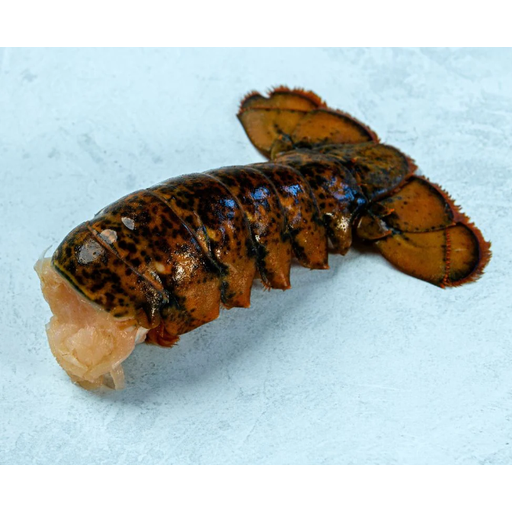
Why This Fits Their Persona: A suitable choice for shoppers planning a special meal, catered gathering or seafood-centred occasion rather than an everyday sardine lunch.
The product is fully cooked, so you are not paying for a raw preparation that requires extensive cooking.
19g protein per 100g; individually quick frozen and suitable for chilled serving or brief reheating.
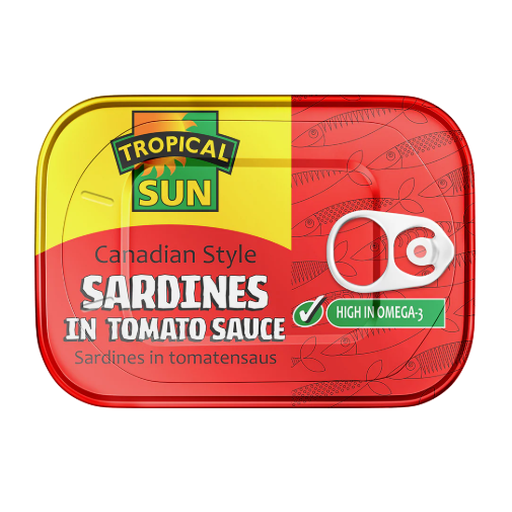
Why This Fits Their Persona: Useful for households that want a ready-made base for pasta, rice, toast or warm savoury meals without preparing a separate sauce.
The sauce is clearly listed, so you can account for its oil, sugar, starch, seasonings and salt before buying.
80% herring sardines; ready to eat from the tin or gently heated with pasta and rice.
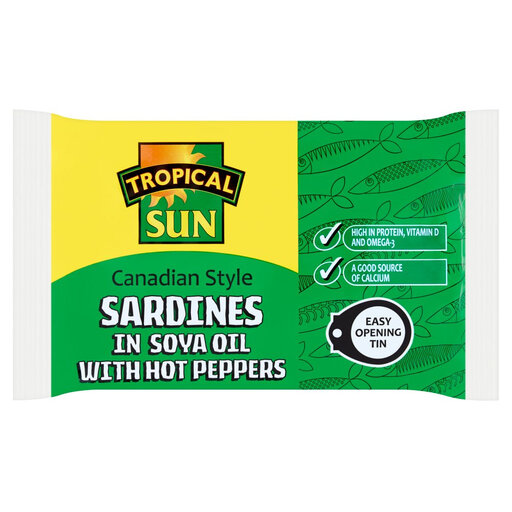
Why This Fits Their Persona: Designed for shoppers who want an immediately seasoned filling for crackers, sandwiches, salads or quick savoury snacks.
The ingredient list identifies soybean oil, peppers and vinegar, making the flavour and allergen profile clear before purchase.
18.5g protein per 100g; ready to eat cold or gently heated.
We have compiled a complete, real-time list of products that fully satisfy these strict selection criteria and UK safety regulations.
Yes. The listed sardine products are ready to eat directly from the tin. Drain spring-water sardines before use, and follow the label instructions if heating. Transfer leftovers to a covered container, refrigerate and consume within the stated timeframe.
The spring-water variety advises eating leftovers within two days. The tomato-sauce and hot-pepper varieties advise consumption within 24 hours. Do not store opened sardines in the tin; use a sealed or non-metallic container.
They can be a convenient source of protein. The spring-water product lists 20g per 100g, the hot-pepper version 18.5g, and the tomato-sauce product 15.1g. Check the actual serving size, salt level and allergen information when planning meals.