
24/7 Customer Support

Free returns

Same-day & Next-day Delivery

Quality Guaranteed

Unlock Your Welcome Offers: FREE Delivery | Up to 80% OFF | Free 30-day JoyPlus trial
Download the APP
Stocking your pantry with canned and dried pulses is a smart move for any health-conscious or budget-savvy UK household. These versatile ingredients form the backbone of countless meals, from hearty winter stews to light summer salads. Yet, navigating the supermarket aisle can be surprisingly tricky. What seems like a simple purchase can be fraught with hidden compromises on cost, nutrition and convenience.
As a Joybuy Product Recommendation Officer, my role is to help you see past the marketing jargon. Before you fill your basket, let's look at the common pitfalls that can lead to a pantry full of regret rather than value.
To make a truly informed choice, you need to look beyond the front-of-pack claims. Here are the non-negotiable factors to analyse for any canned or dried pulses.
The back of the tin or pack holds the most important information. When comparing products, pay close attention to these three figures:
Choosing between canned and dried pulses depends entirely on your lifestyle and cooking habits. Neither is inherently superior; they simply serve different needs.
Different pulses have unique textures and flavours that make them suitable for specific dishes. Having a small variety in your pantry can unlock a world of culinary options.
Based on these practical considerations, here are a few recommendations from our range, matched to different household needs.
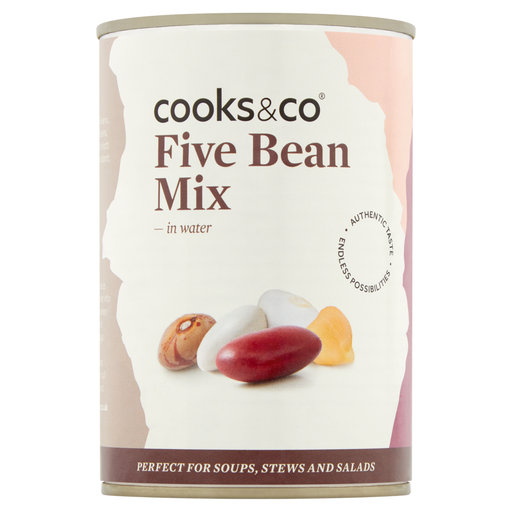
Why This Fits Their Persona: This mix is the ultimate shortcut for adding variety and nutrition to a meal. For someone juggling work and home life, it provides an instant base for a hearty salad, soup, or stew without needing to open multiple tins.
It bypasses the time and energy cost of soaking and cooking different dried beans. It is also packed in water with no added sugar, avoiding the hidden additives trap of sauced varieties.
A versatile blend of five different beans provides a complex texture and nutritional profile in one convenient can. It is ready to use straight from the tin.
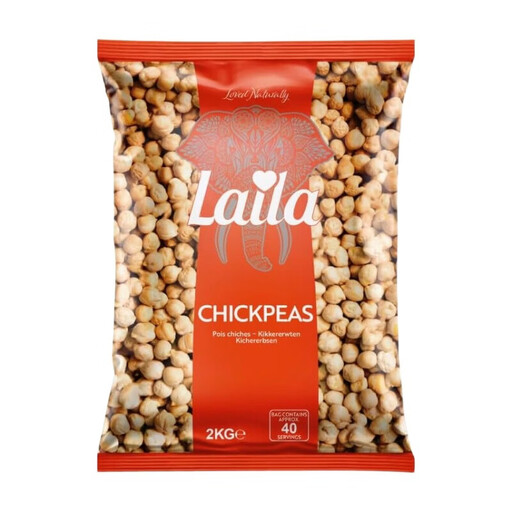
Why This Fits Their Persona: For the home cook who plans meals ahead and prioritises cost-per-serving, this 2kg pack of dried chickpeas offers exceptional value. It is perfect for batch-cooking hummus, curries, or stews for the week.
This directly counters the high unit price of canned goods. By buying dried and in bulk, you get the maximum amount of product for your money, avoiding the "value pack" illusion of smaller, more expensive multipacks.
Offers a very low cost-per-gram and gives you complete control over the final taste and texture, with no added salt or preservatives.
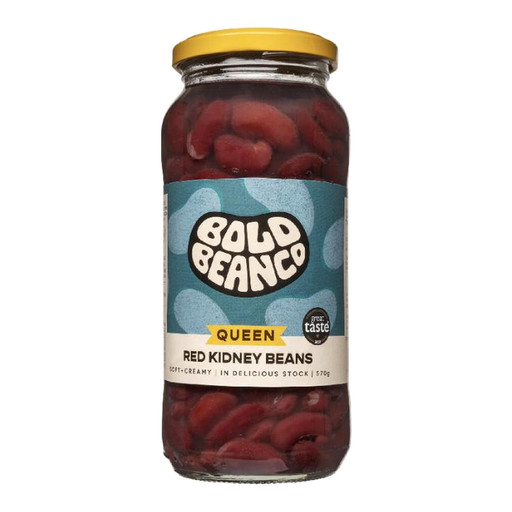
Why This Fits Their Persona: For the discerning foodie who values quality and flavour above all, these heirloom red kidney beans are a clear step up. They are for someone who sees beans as the star of the dish, not just a filler.
This product avoids the compromise on quality. Packed in a glass jar with just water and salt, it has no preservatives or additives. The focus is on the superior quality of the heirloom bean itself.
Features a premium heirloom variety known for its creamy texture and rich, savoury flavour. The glass jar packaging is a plus for those looking to avoid cans.
We have compiled a complete, real-time list of products that fully satisfy these strict selection criteria and UK safety regulations.
For the most part, yes. The canning process preserves the majority of the nutrients, including the all-important plant-based protein and high fibre content. The main nutritional difference is often the sodium content from the canning liquid. You can mitigate this by choosing varieties packed in water or by thoroughly rinsing beans packed in brine before use.
When stored correctly, dried pulses can last for several years. The key is to keep them in an airtight container in a cool, dark and dry place, like a pantry or cupboard. This protects them from moisture, pests and light, which can degrade their quality over time. While they remain safe to eat for a long time, they are best consumed within a year of purchase for optimal texture and flavour.
It is generally a good practice. Rinsing canned beans under cold running water for a minute can wash away a significant amount of the added sodium from the brine. It also removes some of the starches from the canning liquid, which can sometimes cause digestive discomfort and affect the flavour of your dish.