
24/7 Customer Support

Free returns

Same-day & Next-day Delivery

Quality Guaranteed

Unlock Your Welcome Offers: FREE Delivery | Up to 80% OFF | Free 30-day JoyPlus trial
Download the APP
A well-stocked pantry is the secret to creating delicious, authentic Asian meals at a moment's notice. Canned Asian vegetables offer incredible convenience, saving you from the time-consuming prep work of washing, peeling and chopping. However, not all tinned goods are created equal. Navigating the options can be tricky, and a poor choice can lead to a disappointing meal.
Many home cooks in the UK have faced the same frustrations. You open a tin of water chestnuts for a stir-fry, only to find they are soft and flavourless, ruining the dish's essential crunch. Or perhaps you've bought a can of bamboo shoots that taste more of brine than the vegetable itself. These common pitfalls can make you question whether the convenience is worth it. Let's look at how to avoid these issues and select the right products for your kitchen.
To ensure you get quality and convenience, focus on these three non-negotiable points. They are the difference between a pantry success and a culinary letdown.
The liquid inside the can has a significant impact on the final product.
Always check the label to see how the vegetable is prepared. Are they whole, sliced, shredded or tips? This determines their suitability for your recipe.
A shorter, more straightforward ingredient list is generally a good sign. The best Asian pantry staples often contain just the vegetable, water and perhaps a pinch of salt or a natural acidity regulator. This ensures you are getting the authentic taste of the ingredient without it being masked by unnecessary additives.
Here are a few recommendations from our catalogue, matched to different cooking needs and preferences.
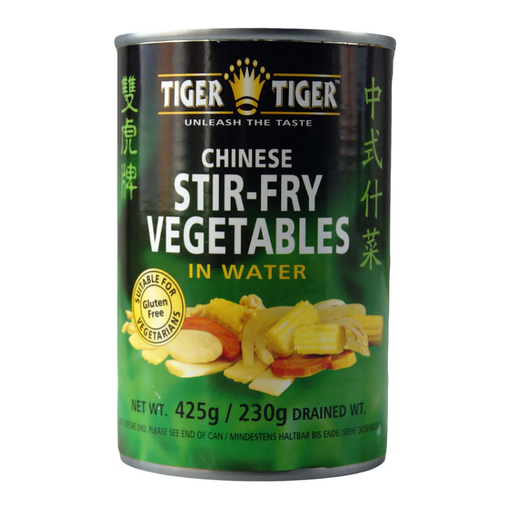
Why This Fits Their Persona: For those juggling work and family life in the UK, getting a nutritious meal on the table quickly is a priority. This pre-mixed can of vegetables eliminates all chopping and prep, turning a stir-fry into a 10-minute meal.
This product directly solves the "wrong cut for the job" pitfall by providing a blend of vegetables specifically prepared for stir-frying.
Maximum convenience. A balanced mix of vegetables ready to be added straight to the wok.
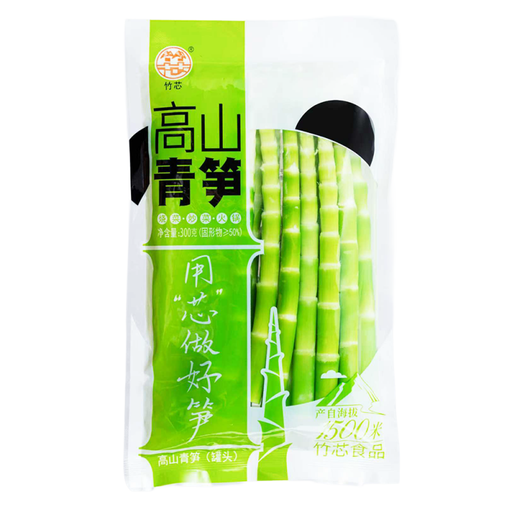
Why This Fits Their Persona: For the cook dedicated to recreating authentic textures and flavours, the quality of individual ingredients is paramount. These bamboo shoots are selected for their specific qualities, making them ideal for dishes where texture is non-negotiable.
It is marketed as "crisp and tender," directly countering the "mushy texture" trap. The simple ingredient list also avoids the issue of hidden additives.
Excellent texture straight from the bag. These are ready to eat vegetables, perfect for adding to a hot pot or a quick stir-fry without pre-cooking.
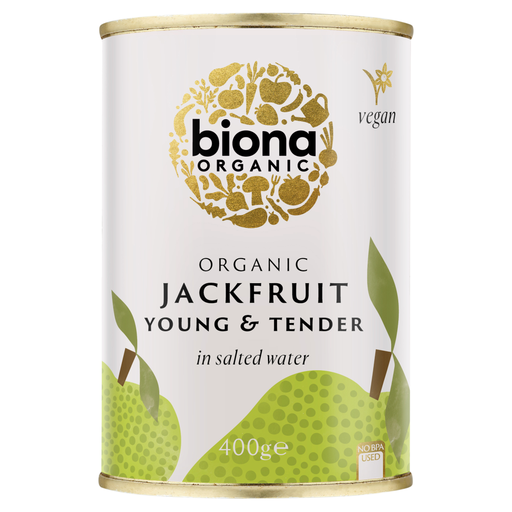
Why This Fits Their Persona: For those following a plant-based diet, finding versatile and high-quality meat substitutes is key. This organic jackfruit is the perfect base for creating savoury dishes, from curries to tacos.
It is explicitly packed in salted water, not syrup, avoiding the common mistake of buying the sweet variety for a savoury recipe. The organic certification and simple ingredient list appeal to health-focused buyers.
Organic and packed for savoury cooking. Its fibrous texture makes it an excellent substitute for pulled meat.
We have compiled a complete, real-time list of products that fully satisfy these strict selection criteria and UK safety regulations.
Generally, yes. It is a good practice to rinse most canned vegetables before use. For those packed in brine (salt water), a thorough rinse under cold water is essential to remove excess saltiness and any residual "canned" flavour. Even for vegetables packed in water, a quick rinse can freshen them up.
Once a can is opened, you should not store the leftovers in the original metal container. Transfer any unused vegetables to an airtight glass or plastic container, refrigerate them promptly and aim to use them within two to three days for the best quality and food safety.
It depends on your needs. Dried black fungus requires rehydration before use, but it provides a unique, springy and crisp texture that is difficult to achieve with canned varieties. Canned vegetables, on the other hand, offer ultimate convenience as they are often ready to use straight away. Both are valuable Asian pantry staples; the choice comes down to balancing preparation time with the specific texture you want in your final dish.