
24/7 Customer Support

Free returns

Same-day & Next-day Delivery

Quality Guaranteed

Unlock Your Welcome Offers: FREE Delivery | Up to 80% OFF | Free 30-day JoyPlus trial
Download the APP
Canned beans and pulses are useful when you need a quick ingredient for a chilli, curry, stew, soup or salad. They remove the soaking and lengthy boiling associated with dried pulses, while offering convenient cupboard storage. However, the label can make products look more alike than they really are.
A low shelf price may hide a small drained weight, while descriptions such as “high protein” or “ready to use” do not tell you whether the texture suits your recipe. Before adding tinned beans, canned chickpeas or other ready-to-use pulses to your basket, check the details that affect value, flavour and preparation.
A 400g can usually contains water or brine, so the edible portion is lower than the net weight. For example, Morrisons Organic Red Kidney Beans list a 255g drained weight, while Morrisons Organic Butter Beans list 240g from a 400g can.
When comparing cost, calculate the price per drained gram rather than relying only on the front-of-pack weight. This is particularly important when buying multipacks of vegan pantry staples.
Red kidney beans generally hold their shape in chilli and stews. Butter beans are softer and creamier, making them suitable for mashing, blending or enriching sauces. Cannellini beans work well in salads, soups and Mediterranean-style dishes, while canned lentils can bulk out casseroles without needing a long cooking time.
Descriptions such as “tender” or “firm” are useful, but the ingredients and preparation instructions matter too. A product intended to be heated gently may become less pleasant if boiled vigorously.
Water-packed pulses may contain salt, while some products include antioxidants or preservatives. This is not automatically a problem, but it can affect your recipe and dietary choices. Compare the salt value per 100g drained, then rinse the beans if appropriate.
Beansprouts in water require extra attention because some products contain sulphites. Always read the current packaging, particularly if you have an allergy or intolerance. UK labelling can change between batches and suppliers, so online product information should support rather than replace the label on the item.
Look for both figures. A 400g can may provide around two portions, depending on the pulse and recipe. For family cooking, batch preparation or professional kitchens, multipacks such as Laila Canned Chickpeas 12x400g can reduce repeat purchases, provided you have suitable dry storage and a realistic usage plan.
For a simple product, the ingredients may be limited to the pulse, water and salt. Morrisons Organic Butter Beans, for example, list organic butter beans and water. Other products may include an antioxidant, sugar, salt or sulphites.
Check the relevant wording rather than assuming a product is suitable:
Most canned beans are cooked and can be drained, rinsed and added to a dish. Some are suitable for cold salads, while others are intended to be heated thoroughly. Frozen pigeon peas must remain at -18°C or below, should be sorted and rinsed before cooking, and must be thoroughly cooked before eating.
After opening a can, transfer leftovers to a non-metallic airtight container and refrigerate. The recommended use period varies, commonly within two or three days, so follow the individual label. Do not use a can that is swollen, leaking or severely damaged.
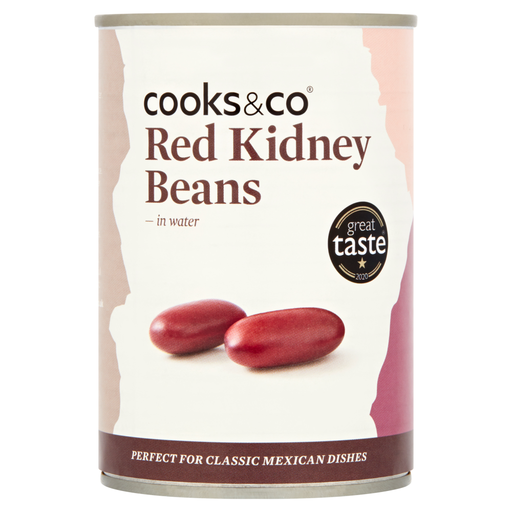
Why This Fits Their Persona: A straightforward ambient option for first-time buyers preparing chilli, fajitas, stews or Indian dishes without soaking dried beans.
The product is clearly described as rehydrated red kidney beans in water, with no added cooking preparation required.
400g net quantity; ingredients are red kidney beans and water; suitable for vegans and vegetarians.
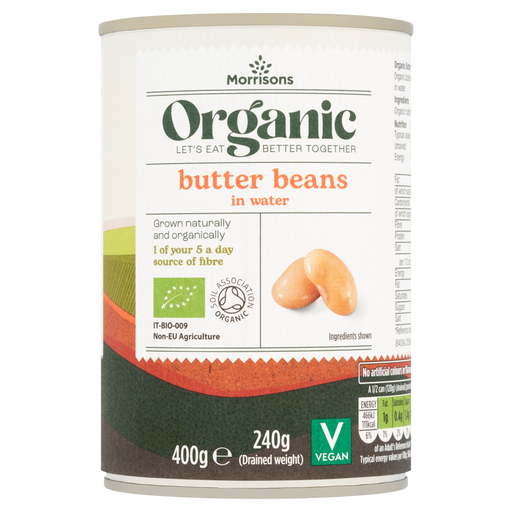
Why This Fits Their Persona: Suits shoppers seeking an organic ingredient with a soft, creamy texture for soups, dips, salads and slow-cooked dishes.
The listing specifies organic butter beans and water, helping buyers avoid products with unexpected added salt or flavourings.
240g drained weight; organic product information is provided; suitable for vegans and vegetarians.
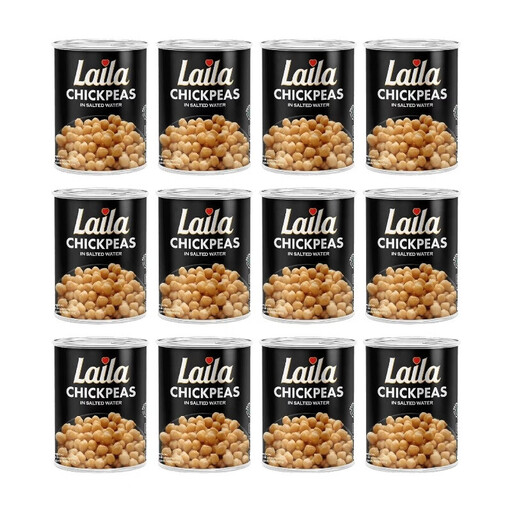
Why This Fits Their Persona: A practical bulk choice for caterers, large households and regular hummus, curry, salad or batch-cooking preparation.
The multipack makes the total quantity clear, reducing the risk of repeatedly paying single-can prices for a frequently used ingredient.
12 x 400g cans; pre-cooked chickpeas; suitable for vegan, vegetarian, halal and kosher diets as stated in the product information.
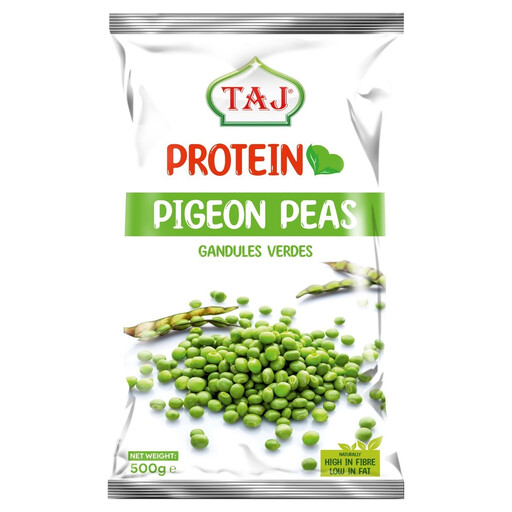
Why This Fits Their Persona: Designed for cooks making Caribbean, Indian or other slow-cooked recipes where pigeon peas provide a distinctive pulse texture.
It is identified as frozen pigeon peas rather than an ambient tin, so shoppers can plan freezer space and cooking time accurately.
500g pack; pigeon peas are the only listed ingredient; frozen storage at -18°C or below is specified.
We have compiled a complete, real-time list of products that fully satisfy these strict selection criteria and UK safety regulations.
For everyday meals, combine pulses with vegetables, grains, herbs and sauces. Canned lentils suit soups and cottage-pie fillings, black-eyed beans work in salads and Caribbean-inspired dishes, and tinned peas make a quick side or addition to pasta. Beansprouts in water add texture to stir-fries but should be checked for sulphites.
Most canned beans are already cooked and can be eaten cold when the label permits, or heated through in a recipe. Drain and rinse them first if preferred. Frozen pulses, such as pigeon peas, require cooking according to the pack instructions.
Follow the product label, as guidance varies. Many products recommend consuming them within two days, while some allow up to three days. Transfer leftovers from the metal can into a covered, non-metallic container and refrigerate promptly.