
24/7 Customer Support

Free returns

Same-day & Next-day Delivery

Quality Guaranteed
Download the APP
Categories
From hearty curries and vibrant salads to creamy homemade hummus, the humble chickpea is a cornerstone of the modern British kitchen. As a convenient, affordable and nutritious source of plant-based protein, canned chickpeas have become an essential pantry staple for health-conscious home cooks, vegans and anyone looking for quick meal solutions.
However, the supermarket aisle presents a wide array of choices. As a Joybuy Product Recommendation Officer, my role is to help you understand the key differences between products. This guide offers practical advice and highlights some dependable options to help you select the right tinned chickpeas for your culinary needs.
Before we look at specific products, here are a few key factors to consider when making your selection. Paying attention to these details can significantly improve the outcome of your dishes.
The most straightforward options typically contain just two or three ingredients: chickpeas, water and sometimes salt. Some brands add an antioxidant like ascorbic acid (Vitamin C) to help preserve the colour and freshness of the chickpeas, which is a common and harmless practice. For general use, chickpeas in water with no added salt offer the most versatility, as they allow you to control the seasoning in your recipe.
Canned chickpeas are valued as a high protein snack and a great source of dietary fibre. When comparing tins, check the 'per 100g drained' values. This gives you a clear picture of what you are consuming once the liquid is removed. Look for higher protein and fibre content, and if you are monitoring your sodium intake, opt for varieties with little to no added salt. Most standard tins are chickpeas 400g in gross weight, with a drained weight of around 240g.
Not all canned chickpeas are the same. Some are softer, making them ideal for blending into smooth hummus or mashing into veggie burgers. Others are firmer, which helps them hold their shape better in salads, stews and pasta dishes. If you plan to make chickpeas for hummus, a softer texture can be beneficial. For a chunky chickpea curry, a firmer pulse is often preferable.
Based on their ingredient composition, nutritional profile and suitability for various dishes, here are a few recommended canned chickpeas to consider for your pantry.
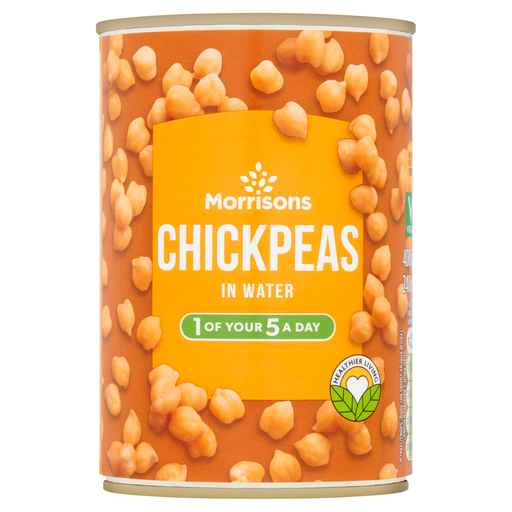
Why It Stands Out: This product is a prime example of simplicity. Comprising just chickpeas, water and an antioxidant, it provides a clean base for any recipe without influencing the flavour profile with added salt or seasonings.
Pros:
Who is it for? Home cooks who want full control over the seasoning of their dishes and prefer a straightforward, versatile pantry staple for everything from stews to salads.
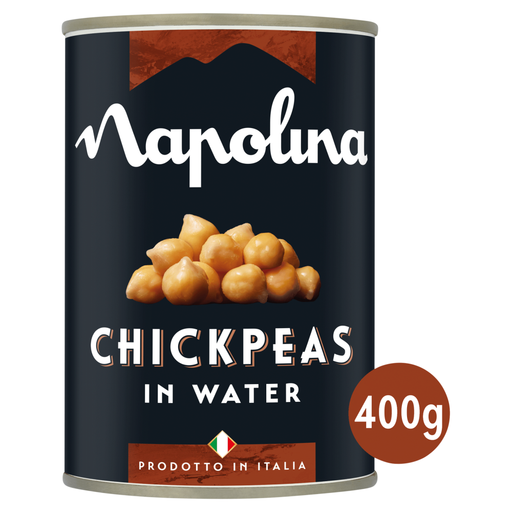
Why It Stands Out: Napolina's chickpeas are known for their firm and nutty texture. This quality makes them particularly well-suited for dishes where you want the chickpeas to remain whole and distinct, rather than breaking down.
Pros:
Who is it for? Those looking for a robust chickpea that provides a satisfying bite, making it an excellent addition to salads, grain bowls or light pasta dishes.
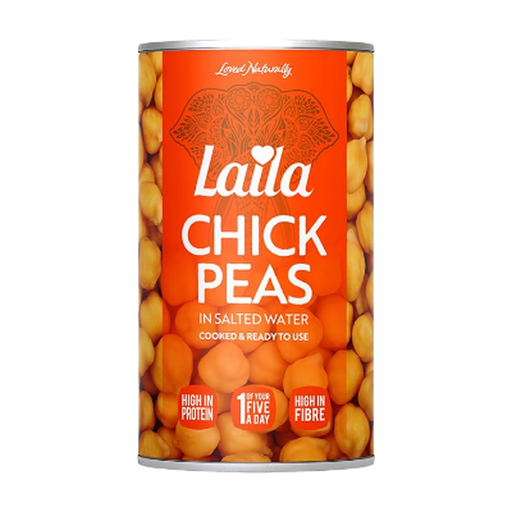
Why It Stands Out: These pre-cooked chickpeas are designed for ultimate convenience. With a mild, nutty flavour and a balanced texture, they are ready to be incorporated into a wide range of global cuisines, from Indian curries to Middle Eastern dips. This option contains a small amount of added salt.
Pros:
Who is it for? Busy cooks who value convenience and want a reliable, all-purpose chickpea that works well in a variety of recipes without the need for extensive preparation.
While these three products offer excellent quality and value, they are just a starting point. Your ideal choice may depend on specific dietary needs, such as a preference for organic ingredients, or different can sizes.
If you'd like to see more, we invite you to browse our complete collection. Explore our full range of 400g Beans to find the perfect match for your pantry.
Yes, all canned chickpeas are pre-cooked during the canning process and are safe to eat directly from the tin. For the best taste and texture, it is recommended to drain and rinse them thoroughly under cold water before use. This removes excess sodium and the starchy liquid.
The liquid is called aquafaba (from the Latin for "bean water"). It is the water in which the chickpeas were cooked and canned. This starchy liquid is a popular egg white substitute in vegan baking and can be whipped to create meringues, mousses and other desserts.
For exceptionally smooth hummus, the key is to reduce the texture of the chickpea skins. After rinsing the chickpeas, you can take the extra step of gently rubbing them between your hands in a bowl of water to loosen the skins, which will then float to the surface. While not essential, removing the skins can result in a creamier final product.