School bake-sale organisers
You need a coconut product that suits the bake or dessert, plus a way to communicate the finished item’s ingredients and allergens. Keep the current packaging available while preparing that information.


Choose canned cooking coconut milk when a bake-sale recipe calls for its coconut flavour and creamy texture; choose a coconut drink only if the recipe calls for a plant drink or you can test the substitution before the sale. If ripe coconut matters to you, look for that wording on the pack rather than assuming every can uses it. Check the current labels of every ingredient and the school’s allergy procedures before selling the finished bake.
The useful choice depends on the recipe, not just the word “coconut” on the front of a pack.
You need a coconut product that suits the bake or dessert, plus a way to communicate the finished item’s ingredients and allergens. Keep the current packaging available while preparing that information.
If you are replacing dairy or switching between canned coconut milk and a coconut drink, test the revised recipe before making a sale batch. A dairy-free label on one ingredient does not describe the finished bake.
Some canned products explicitly say they use ripe coconuts. Check for that statement on the particular product; coconut-extract percentage alone does not establish how the coconuts are described.
Start with the recipe’s intended product format, then compare pack details and plan how you will handle the finished bake.
| Priority | What to check | Your needs |
|---|---|---|
| Recipe format | Check whether the recipe calls for canned cooking coconut milk or a coconut drink. Test a substitution before making the sale batch. | I’m following a recipe that relies on canned coconut milk for its coconut flavour or creamy texture, so I need the cooking product rather than an untested drink swap. |
| Coconut content | Compare declared coconut-extract percentages between canned cooking products. Tesco Groceries, Waitrose & Partners, Sainsbury's and M&S list examples ranging from 51% to 72%; the percentage alone cannot predict the finished bake’s texture. | If coconut content matters to my recipe, I want to compare the labels of products intended for the same cooking use. |
| Ripe-coconut wording | Look for an explicit ripe-coconut statement. Waitrose & Partners describes Kingfisher Oriental Coconut Milk as made from ripe coconuts, while Tesco Groceries gives ripe-coconut wording for Blue Dragon Coconut Milk. | I want a product specifically described as using ripe coconuts, rather than assuming every canned milk makes that claim. |
| Allergen information | Read the current coconut-product pack and every other ingredient label. Check precautionary statements and ask the school about its allergy procedures. | Before I offer a finished bake, I need to know what is in the whole recipe and what ingredient information the school expects. |
| Opened-can storage | Follow the chosen pack’s instructions for transferring, refrigerating and using leftovers. Plan how much the recipe needs before opening a can. | If I bake in stages, I need to handle any leftover coconut milk according to that product’s label. |
Alpro lists 5.3% coconut milk in Coconut Original Drink, and Tesco Groceries lists 9% in Koko Unsweetened Alternative Drink. The canned cooking examples cited above declare 51% to 72% coconut extract, so swapping formats can change the recipe.
Match the product format to the recipe, and test a drink substitution before making the sale batch.
The name does not establish that coconut milk contains dairy: Tesco labels its canned coconut milk suitable for vegans, while Alpro and Koko label the drinks described here dairy-free. Milk or other allergens may still come from the rest of the bake.
Check the current pack and every recipe ingredient before describing the finished item’s allergen status.
Tesco Groceries lists a “may contain peanuts and nuts” statement for Blue Dragon Coconut Milk. That matters when deciding whether an ingredient fits a school’s allergy procedures.
Read the pack before baking, ask the school about its procedures and retain a clear ingredient record for the event.
Opened-can directions vary by product. Tesco and Waitrose & Partners give transfer, refrigeration and two-day-use instructions for the canned products described here.
Follow the exact pack you use, and mark the opening date if you store leftovers.
These examples help distinguish cooking coconut milk from coconut drinks; check the current pack for the product you buy.
Tesco’s 400 ml own-label canned coconut milk is a cooking option.
Sainsbury's lists KTC Coconut Milk for cooking uses that include desserts.
M&S lists a 400 ml own-label canned coconut milk for cooking and desserts.
Waitrose & Partners lists Kingfisher Oriental Coconut Milk, which is described as made from ripe coconuts.
Alpro Coconut Original is a coconut drink, not a canned cooking coconut milk.
Koko Unsweetened Alternative Drink is a coconut-based drink for milk-alternative use.
These are canned coconut-milk options for recipes that call for cooking coconut milk. Check each current pack for ripe-coconut wording, ingredient details, allergy advice and opened-can directions before choosing one for a school bake sale.
 No image available
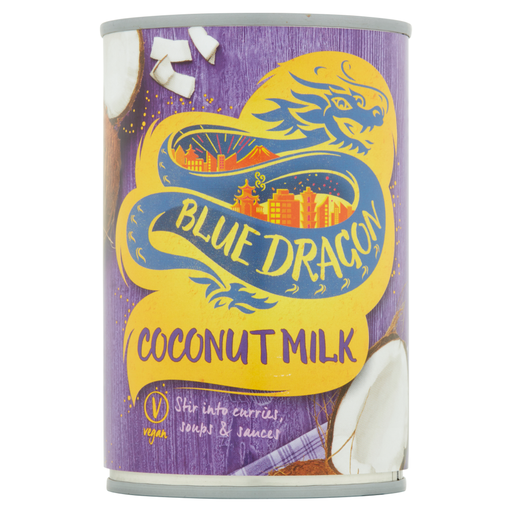
A canned option to consider when the recipe calls for cooking coconut milk and ripe-coconut wording matters. Tesco Groceries lists 56% coconut extract and describes this Blue Dragon product as made from ripe coconuts; its listed “may contain peanuts and nuts” statement makes the current pack and school allergy procedures important checks.
 No image available
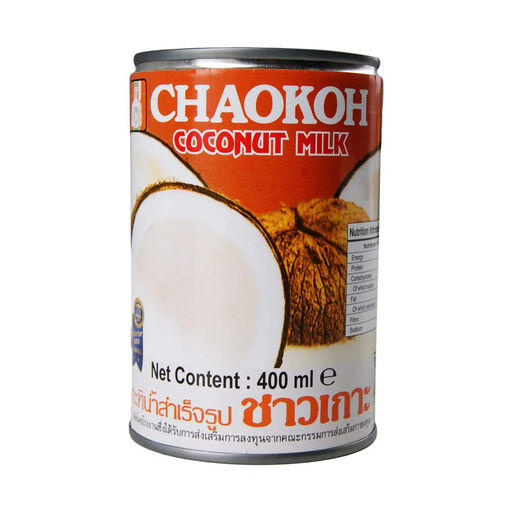
A tinned coconut milk to consider for a recipe requiring the cooking format rather than a coconut drink. If ripe-coconut sourcing is important, check the current pack for an explicit statement; read its allergen information alongside the labels of the bake’s other ingredients.
 No image available
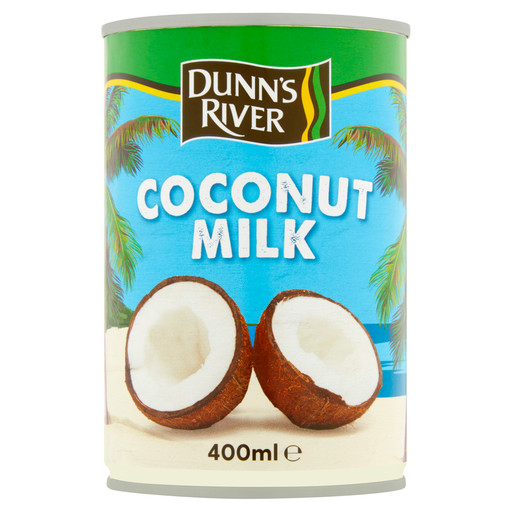
Consider this canned milk when a dessert recipe specifies cooking coconut milk. Check the current pack if the recipe calls for an explicit ripe-coconut description, and use its physical label when recording allergens for the finished bake.
 No image available
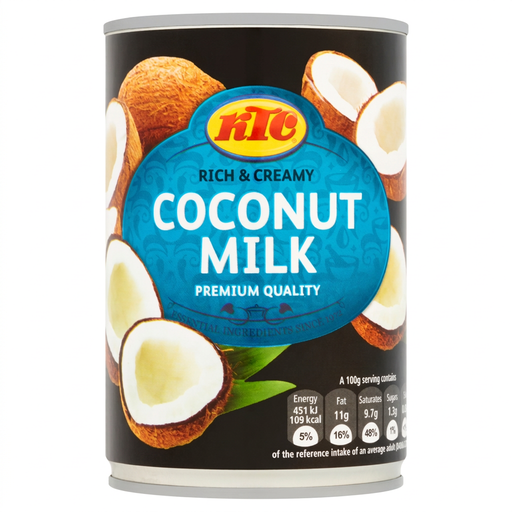
A canned option for a recipe calling for cooking coconut milk. This Joybuy variant is labelled 400g; check the amount your recipe specifies rather than treating it as a 400ml can. Read the current pack for ripe-coconut wording and allergen information.
 No image available
A 400ml canned option for cooking-coconut-milk recipes. If coconut-extract content or ripe-coconut wording determines your choice, compare those details on the current pack; check its allergen and storage directions before baking.
No. The name alone does not mean a coconut product contains dairy: Tesco labels its canned coconut milk suitable for vegans, and Alpro and Koko label the drinks discussed here dairy-free. Check the current product pack and every other ingredient before making any claim about the finished bake.
Test the recipe before making that substitution for a school sale. Alpro lists 5.3% coconut milk in Coconut Original Drink and Tesco Groceries lists 9% in Koko Unsweetened Alternative Drink, while the cited canned cooking examples declare 51% to 72% coconut extract; a recipe written for canned milk may behave differently with a drink.
Coconut is not on the Food Standards Agency’s stated list of 14 named allergens. That does not establish that a particular coconut product or finished bake is suitable for someone with an allergy: read current ingredient and precautionary statements. Tesco Groceries, for example, lists a “may contain peanuts and nuts” statement for Blue Dragon Coconut Milk.
Confirm the event’s selling format and the school’s requirements before preparing labels. The Food Standards Agency says that in England, Wales and Northern Ireland, a food business producing food prepacked for direct sale must label it with the food name and a full ingredients list. Whether that rule applies to a particular school event depends on how it operates; seek guidance from the school and, where necessary, the relevant local authority. For a sale in Scotland, check the applicable requirements with Food Standards Scotland or the local authority.
Follow the instructions on the can you opened. Tesco and Waitrose & Partners direct users of the canned products described here to transfer unused contents, refrigerate them and use them within two days; do not assume another product has the same directions.