Hosts serving several adults
Individual cans avoid preparing coffee during the gathering. Grind lists 16 × 250ml packs, while Tesco lists a Nescafé iced latte pack of four 250ml cans; count likely coffee drinkers before choosing between them.


For a cream tea with several coffee drinkers, a 16-can Grind pack is worth considering when cold-brew preparation matters; its separate oat-based vegan bundle offers a dairy-free choice. If four cans are enough and cold brew is not essential, Tesco lists a smaller Nescafé iced-latte pack, but it contains milk. Check the particular cans for ingredients, sugars and caffeine information before serving.
The number of coffee drinkers, their preferred drink and any dietary restrictions determine whether a small pack or a larger cold-brew format makes sense.
Individual cans avoid preparing coffee during the gathering. Grind lists 16 × 250ml packs, while Tesco lists a Nescafé iced latte pack of four 250ml cans; count likely coffee drinkers before choosing between them.
Grind describes its 16-can vegan bundle as oat-based. Check the current ingredients and allergen statements for the specific drinks you intend to serve, particularly when guests have restrictions beyond avoiding dairy.
Grind identifies an Iced Black Coffee made with its cold-brewed House Blend. The Whisky Exchange also lists a 24-can Sandows cold-brew case. Check the drinks in a mixed pack rather than assuming every can is black coffee.
Start with the serving count, then decide whether cold-brew preparation is essential; check the exact drink and its label before settling on a pack.
| Priority | What to check | My needs |
|---|---|---|
| Serving count | Count cans and check their volume: Tesco lists four 250ml Nescafé cans; Grind lists 16 × 250ml packs. The Whisky Exchange identifies a Sandows case of 24 cans. | Only a few guests are likely to want coffee, so I would rather not open a large case without a plan for the remaining cans. |
| Cold-brew method | Look for a statement about cold brewing on the chosen drink. Grind describes cold-water steeping for its vegan bundle; Tesco describes its Nescafé latte as a milk drink with coffee and flavouring, not as cold brew. | I specifically want cold-brew coffee alongside the cream tea, not just any chilled canned coffee. |
| Ingredients and allergens | Read the current ingredients for each flavour and check allergen statements. Tesco identifies milk in its Nescafé latte; M&S says its dairy-free Oat Latte Cold Brew is not suitable for coeliacs or people with wheat allergy. | A guest avoids dairy, or has another restriction, and I need to check the actual can rather than rely on a broad label such as ‘oat’. |
| Sugars and caffeine | Compare nutrition on the same basis and check caffeine information for the exact can. Tesco lists 19.3g sugars per 250ml Nescafé latte can; can size alone does not establish caffeine content. | I want guests to know what is in their drink, especially if they are keeping track of sugars or caffeine from other refreshments. |
A ready-to-drink can meets the serving-format requirement, but its coffee need not have been cold-brewed. Tesco calls its Nescafé product a milk drink with coffee and flavouring; Grind describes cold-water steeping for its vegan bundle.
If the brewing method is essential, check for a cold-brew statement on the specific product or pack before buying.
Tesco’s four-can pack, Grind’s 16-can formats and the 24-can Sandows case suit different serving counts. A larger case can leave drinks that nobody at the cream tea wants.
Count likely coffee drinkers and consider whether the remaining cans would have another use before moving to a larger format.
Other ingredients and allergen warnings still matter. M&S states that its dairy-free Oat Latte Cold Brew is not suitable for coeliacs or people with wheat allergy.
Ask which restriction matters, then read the current label of the drink being served.
Tesco lists 19.3g sugars per 250ml Nescafé latte can. Caffeine also needs checking on the particular drink rather than being inferred from its size.
Keep the can’s nutrition and caffeine information available when planning drinks, and offer a non-caffeinated alternative for guests who want one.
These examples show how pack size and drink type differ; a brand name alone does not establish the ingredients or brewing method of every can it sells.
Grind lists 16-can ready-to-drink formats, including a separate oat-based vegan bundle.
Tesco lists a four-can Nescafé Iced Coffee Latte pack for a smaller serving occasion.
The Whisky Exchange identifies a Sandows cold-brew coffee case of 24 cans.
M&S lists individual 250ml Classic Latte and Oat Latte Cold Brew Coffee cans.
These POKKA three-can packs are small-group options for serving canned coffee at a cream tea. If cold-brew preparation is essential, check the current product information before choosing either flavour.
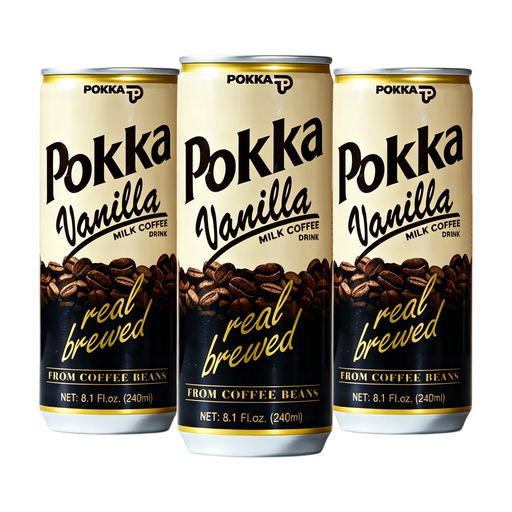 Image unavailable
Three individual cans suit a small cream tea where guests want ready-to-drink coffee. Contains milk; check the pack label for ingredients and confirm the brewing method if cold brew matters.
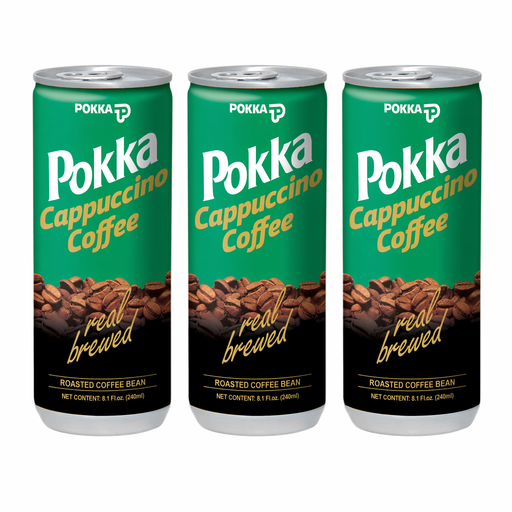 Image unavailable
Three individual cans provide another small-group, ready-to-drink choice. Contains milk; read the current label for dietary details and check the brewing method if you specifically need cold brew.
Start with the guests likely to want coffee, then choose a pack that fits. Tesco lists four 250ml Nescafé cans, while Grind lists 16 × 250ml formats; a larger case makes more sense when you expect to use the remaining cans.
No. Grind describes cold-water steeping for its vegan bundle and identifies its Iced Black Coffee as cold-brewed. Tesco describes its Nescafé Iced Coffee Latte as a milk drink with coffee and flavouring, which does not establish a cold-brew method; check the specific pack when that distinction matters.
Choose a drink explicitly identified as dairy-free and read its current ingredients and allergen statements. Grind’s vegan bundle is oat-based, but dairy-free alone does not establish suitability for other restrictions: M&S says its Oat Latte Cold Brew is not suitable for coeliacs or people with wheat allergy.
Yes. The NHS advises no more than 200mg caffeine a day during pregnancy from all sources. Check the particular can’s caffeine information rather than estimating it from the drink’s size, and remember that other foods and drinks may contribute caffeine.
Use the listing to narrow the choice, then read the label on the product you buy. The ingredients and allergen statements on the particular cans matter more than an assumption based on the flavour name or a dairy-free description.