
24/7 Customer Support

Free returns

Same-day & Next-day Delivery

Quality Guaranteed

Unlock Your Welcome Offers: FREE Delivery | Up to 80% OFF | Free 30-day JoyPlus trial
Download the APP
Canned fish is a practical UK storecupboard staple, but attractive packaging can hide important differences in fish content, drained weight, salt and preparation. Whether you are comparing canned tuna, tinned sardines, canned salmon or canned mackerel, the cheapest-looking tin is not always the most suitable for your meals.
Three common buying traps deserve attention:
The right choice depends on how you intend to use your ready-to-eat fish, how many people you are feeding and which ingredients you want to keep in your cupboard.
Look beyond the front label and read the ingredient list. A higher fish percentage generally means more of the product is made up of fish rather than sauce, oil or other ingredients. For example, Morrisons Pink Salmon lists 99% pink salmon and salt, while some seasoned or sauced products contain a lower fish percentage because they include tomato sauce, oil or flavourings.
Also check whether nutrition is stated per 100g drained or for the full contents. This makes comparisons between tinned fish products more meaningful. A 4-pack of 125g cans, such as John West Tuna Chunks, provides convenient individual portions, but the amount you eat may differ after draining.
The liquid affects both flavour and texture:
For a high-protein pantry staple that can be mixed with mayonnaise, sweetcorn or yoghurt, tuna chunks in springwater may be more adaptable. For sauces, toast toppings and international cooking, flavoured sardines, mackerel or anchovy fillets can reduce the need for additional seasoning.
All canned seafood containing fish must be checked carefully by anyone with a fish allergy. Some products also contain soya, wheat or other cereals containing gluten, particularly Asian-style prepared fish and products in thickened sauces.
Small bones may remain, even where a product is described as boneless or carefully prepared. Read the safety information before serving children or anyone who may find bones difficult to manage.
After opening, transfer unused fish to a non-metallic, covered container, refrigerate it and follow the stated consumption period. Many products specify use within two days, while some anchovy and speciality fish products provide different instructions. Never use a can that is swollen, leaking or badly damaged.

Why This Fits Their Persona: Four individually sized cans offer a practical starting point for packed lunches, jacket potatoes and quick pasta dishes without committing to a large tin.
The label specifies springwater and gives nutrition per 100g drained, making it easier to assess the fish portion and avoid comparing liquid weight with fish weight.
Four 125g cans; 25g protein per 100g drained according to the product information.
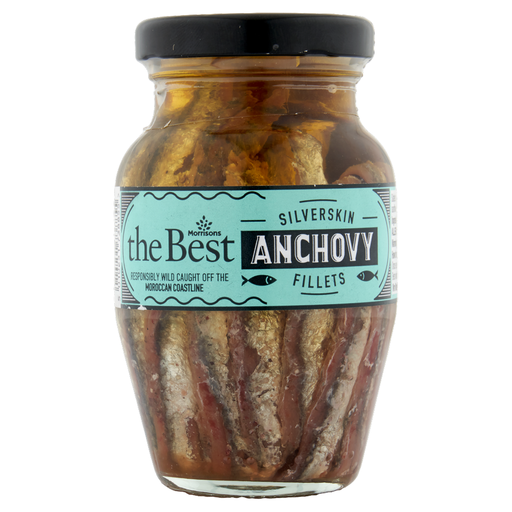
Why This Fits Their Persona: Suitable for shoppers who want concentrated savoury flavour for Caesar dressing, tapenade, bruschetta and Mediterranean cooking.
The ingredients identify anchovy, sunflower oil, salt and extra virgin olive oil, helping you understand that this is a strongly seasoned ingredient rather than a mild snack fish.
155g jar; 26.2g protein per 100g drained, with a clearly stated fish allergen and high salt value to consider.
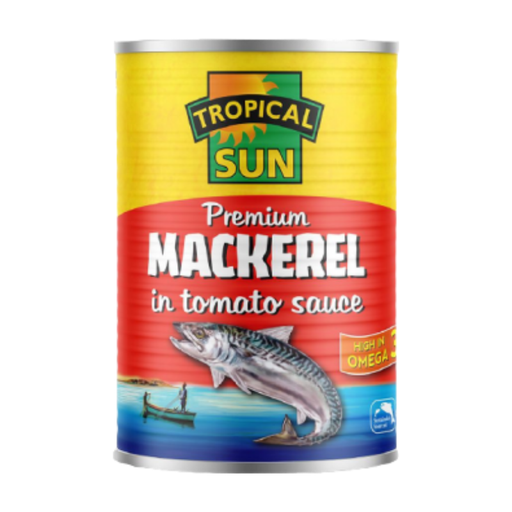
Why This Fits Their Persona: The 400g tin suits family meals, batch cooking and recipes where a substantial amount of fish is needed.
The stated 60% mackerel content and full ingredient list show that tomato sauce contributes significantly to the finished product, so portion planning is clearer.
400g format; ready to use cold or warm in pasta, stews, fish cakes and rice dishes.
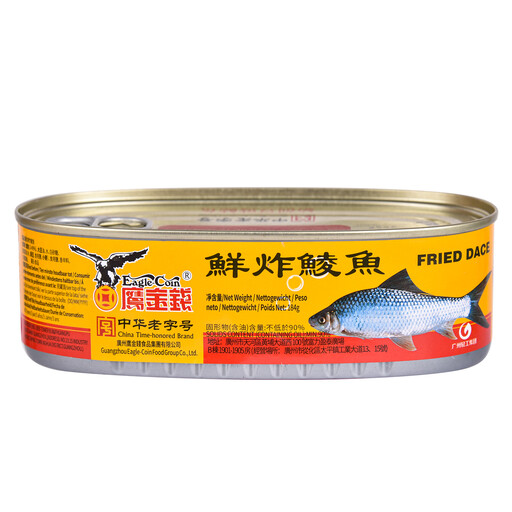
Why This Fits Their Persona: A ready-to-eat Cantonese-style fish for rice, congee, noodles or stir-fries, particularly useful for cooks exploring world-food ingredients.
The product information clearly states the fish percentage, soybean oil, sauce ingredients and allergens, rather than presenting it as plain fish.
184g can; ready to eat and suitable for heating with rice, congee or vegetables.
We have compiled a complete, real-time list of products that fully satisfy these strict selection criteria and UK safety regulations.
Yes. Tuna, salmon and sardines can be served straight from the tin with toast, salad, baked potatoes or pasta. Check the pack instructions first, then refrigerate unused portions in a covered non-metallic container.
Nutrition varies by product, but tuna and salmon commonly provide substantial protein per 100g. The supplied John West tuna in springwater lists 25g protein per 100g drained, while Morrisons Pink Salmon lists 23.6g. Use the nutrition panel rather than relying only on front-of-pack wording.
Unopened fish in tins can generally be stored in a cool, dry place until the printed best-before date, provided the packaging remains intact. Rotate older tins forwards, avoid damp storage and discard cans that are swollen, leaking or badly dented. Once opened, follow the product’s refrigeration and consumption instructions.