
24/7 Customer Support

Free returns

Same-day & Next-day Delivery

Quality Guaranteed

Unlock Your Welcome Offers: FREE Delivery | Up to 80% OFF | Free 30-day JoyPlus trial
Download the APP
From a quick sandwich filling to the base of a hearty fish pie, canned fish is a cornerstone of the British pantry. It’s convenient, long-lasting and packed with protein. Yet, navigating the supermarket aisle or online listings can be surprisingly tricky. What seems like a simple purchase can lead to disappointment, with products that don’t live up to their labels.
As a Joybuy Product Recommendation Officer, my role is to help you see past the marketing jargon. Let's look at the common pitfalls when buying tinned fish and how to choose the right option for your needs, ensuring you get quality and value every time.
sardines in tomato sauce or sweet chilli tuna can be a delicious time-saver. The trap? These sauces can be loaded with hidden sugars and other additives, turning a seemingly healthy protein source into something less so.To avoid these traps, you only need to check a few key details on the packaging. Focusing on these core parameters will ensure you get exactly what you expect.
The liquid your fish is packed in affects its flavour, texture and nutritional profile more than anything else.
Tuna in spring water is a versatile base for recipes where you want to control the fat and seasoning yourself, such as in a tuna mayonnaise or a pasta bake. It maintains a firm texture.The form of the fish determines its use in the kitchen.
mackerel fillets or sardines. They offer the firmest texture and are ideal for serving as the main component of a meal, for example, on toast or alongside a salad.tinned tuna chunks should be firm and hold their shape well, making them perfect for salads, pasta and jacket potatoes.For many, high protein tinned fish is a key reason for purchase. Always check the nutritional information per 100g (drained) to get an accurate measure of the protein content, as the total weight includes the packing liquid. Additionally, look for sustainability certifications like the Marine Stewardship Council (MSC) blue tick, which indicates the fish was sourced from a fishery certified as sustainable.
Here are a few selections that align with different needs, helping you sidestep the common issues and find a product that works for you.

Why This Fits Their Persona: Perfect for a quick, high-protein desk lunch. The no-drain feature means less mess and faster preparation, ideal for a busy work schedule. The multipack format ensures the pantry is always stocked.
The "No Drain" design eliminates the issue of dealing with excess brine, directly addressing the hidden salt and mess pitfall. You get just the fish, ready to use.
Extremely convenient with 27g of protein per 100g. The chunks are firm, making them suitable for more than just sandwiches.
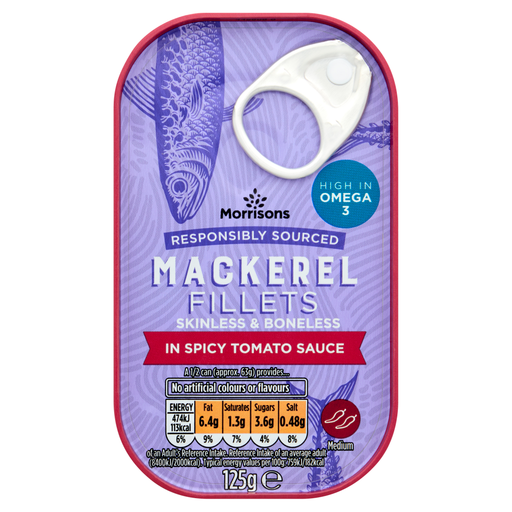
Why This Fits Their Persona: For those who want a flavourful meal without starting from scratch. These mackerel fillets are an instant upgrade for toast, pasta, or a baked potato, providing a rich, savoury, and spicy kick.
While it comes in a sauce, the nutritional information is clear, allowing you to check the sugar content (5.8g per 100g) upfront. It also delivers proper fillets, avoiding the "chunk vs. flake" lottery.
High in Omega-3 (1.5g per 100g) and uses skinless, boneless fillets for a premium texture. The spicy tomato sauce is a classic pairing.
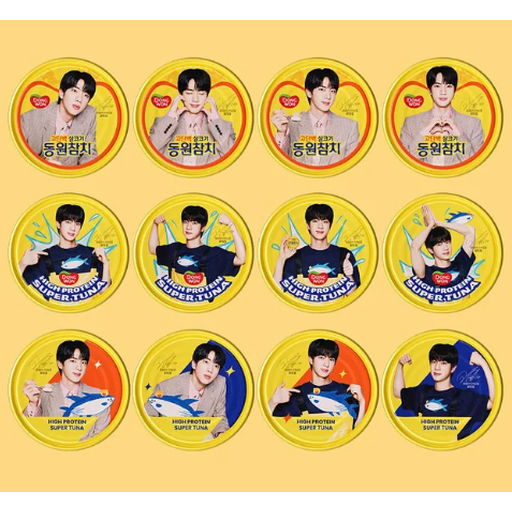
Why This Fits Their Persona: For fans of Korean cuisine and K-Pop, this is the go-to tuna. It's the authentic choice for making dishes like tuna kimchi stew (chamchi jjigae) or tuna gimbap. The special edition packaging is an added bonus for collectors.
This product avoids the trap of using a generic Western-style tuna for a specific Asian recipe. Its texture and flavour, packed in canola oil with vegetable broth, are tailored for Korean dishes.
Authentic Korean brand and flavour profile. The special edition packaging makes it a unique item for fans.

Why This Fits Their Persona: This `multipack tuna` offers value and versatility for family meals. Being packed in spring water makes it a neutral, healthy base for everything from kids' sandwiches to a family-sized pasta bake.
It sidesteps both the "hidden salt" and "chunk lottery" traps. Spring water keeps sodium low, and as a trusted brand, `John West tuna` consistently delivers reliable chunks, not flakes.
A great source of lean protein (25g per 100g) and a versatile ingredient for countless recipes. The 4-pack is convenient and cost-effective.
We have compiled a complete, real-time list of products that fully satisfy these strict selection criteria and UK safety regulations.
1. Is canned fish as healthy as fresh fish? Canned fish is a very healthy option. The canning process preserves many of the key nutrients. It remains an excellent source of lean protein and heart-healthy Omega-3 fatty acids, especially in oily fish like salmon, mackerel and sardines. The main thing to watch is the added sodium, particularly in brined varieties and any added sugars in sauces.
2. How long does canned fish last once opened? Once you open a can of fish, you should transfer any leftovers into a non-metallic, airtight container. Store it in the refrigerator and aim to consume it within two days to ensure it remains fresh and safe to eat.
3. What is the real difference between tuna in brine, spring water, and oil? It comes down to taste, texture and nutrition. Spring water offers the purest tuna flavour with the fewest calories and lowest sodium. Brine is low-calorie but adds a significant amount of salt, which can overpower the fish. Oil (like sunflower or olive oil) adds calories and fat but results in a much richer, more tender fish that many people prefer, especially for eating straight from the can.