
24/7 Customer Support

Free returns

Same-day & Next-day Delivery

Quality Guaranteed

Unlock Your Welcome Offers: FREE Delivery | Up to 80% OFF | Free 30-day JoyPlus trial
Download the APP
Buying canned fish in sunflower oil can simplify lunches, packed meals and quick family dinners. However, tins that look similar on the shelf can differ in drained weight, fish content, salt and convenience. A lower shelf price may also be less attractive if the tin contains considerably less fish or leaves you with excess oil to drain.
As the Joybuy Product Recommendation Officer, I filter the useful details from the marketing language so you can compare tuna in sunflower oil, sardines, mackerel fillets and multipack canned fish with fewer surprises.
The number printed on the front is usually the net quantity, which includes sunflower oil and other ingredients. The drained weight gives a clearer indication of how much fish you will actually use.
For example, a 125g sardine tin may have a drained portion of around 90g, while a 160g tuna tin can contain a different proportion of fish and oil. When comparing prices, check the price per drained 100g, not only the total tin size.
Oil can help fish remain moist, but the fish itself still determines the eating experience. Tuna chunks are convenient for sandwiches and pasta, while tuna steaks may offer larger pieces. Sardines can contain small bones, and mackerel fillets are generally more substantial and richer in flavour.
If you prefer a clean, mild taste, look for short ingredient lists such as fish, sunflower oil and salt. If you want a ready-to-eat fish option with stronger flavour, sardines or mackerel may be more suitable.
Sunflower cooking oil provides energy and fat, so oil-packed fish should still be compared using the nutrition panel. Check energy, total fat, saturates, protein and salt per 100g, while noting whether the figures refer to the product as sold or the drained product.
Marketing terms such as “high protein”, “omega-3” or “responsibly sourced” should not replace checking the full label. For sourcing information, look for a specific certification or statement on the packaging rather than relying on broad promotional wording.
For meal planning, drained weight is one of the most useful figures. A tuna multipack may be convenient for several lunches, but individual tin sizes and drained quantities can vary.
Fish percentage is another helpful comparison. The listed Morrisons Drained Tuna Steaks, for example, contains 94% skipjack tuna, followed by sunflower oil and salt. The Fish4ever mackerel fillet lists 68% mackerel fillet and 31% organic sunflower oil. These figures provide context when comparing texture, oil content and portion size.
The supplied product information shows that protein varies by species and recipe. Topical Sun Tuna Chunks in Sunflower Oil lists approximately 20.5g of protein per 100g, while Fish4ever Mackerel Fillet in Organic Sunflower Oil lists 25g per 100g. Sardine products listed here provide around 23g of protein per 100g.
These figures are product-specific and may change with packaging updates, so check the current label before purchase. Salt can also differ: Fish4ever mackerel lists 0.9g per 100g, while some tuna products list around 1.4g per 100g.
All the fish products referenced contain fish, which must be considered by anyone managing an allergy. Some packaging may also include precautionary allergen information, so read the label carefully.
Before opening, avoid tins that are bulging, leaking, badly dented or have a broken seal. Store unopened tins in a cool, dry place away from direct sunlight. Once opened, transfer leftovers to a suitable non-metallic or airtight container, refrigerate promptly and follow the pack’s consumption guidance. Many of the products listed advise eating leftovers within two days, while some recommend a shorter period.
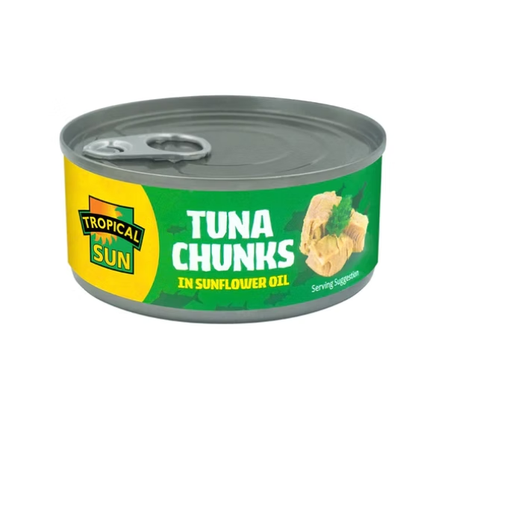
Why This Fits Their Persona: A single 160g tin is easy to try without committing to a multipack, and the three-ingredient recipe suits simple cupboard cooking.
The listing clearly states the ingredients, nutrition per 100g, storage guidance and ready-to-eat use, making the practical comparison easier.
Approximately 20.5g protein per 100g; suitable for salads, pasta, sandwiches or crackers.
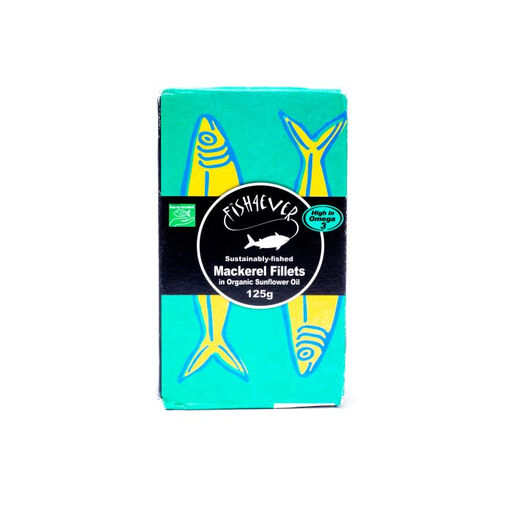
Why This Fits Their Persona: A suitable choice for shoppers who prioritise fillets, organic sunflower oil and a clearly stated ingredient ratio.
The product information separates mackerel fillet, organic sunflower oil and salt, rather than relying only on broad quality language.
25g protein per 100g; listed with 0.9g salt per 100g and a 125g tin size.

Why This Fits Their Persona: The three-tin format works for recurring lunches, family meal planning and cupboards that need practical high-protein cupboard staples.
No-drain packaging reduces preparation and oil waste, while the multipack makes the total quantity clear before purchase.
Three 100g tins; 27g protein per 100g as listed; designed for salads, sandwiches and quick meals.
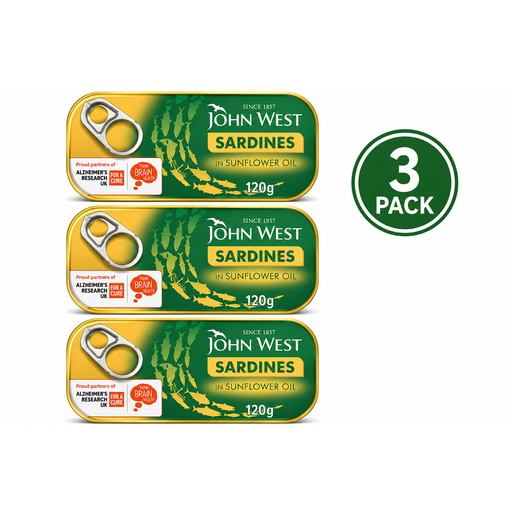
Why This Fits Their Persona: A multipack of sardines suits shoppers seeking a different fish profile for toast, salads, pasta and quick lunches.
The listing states nutrition for the drained product and identifies small-tin serving information, helping you assess the actual portion.
The listing states 1.8g omega-3 per drained tin; three-pack format; ready to serve cold or gently heated.
We have compiled a complete, real-time list of products that fully satisfy these strict selection criteria and UK safety regulations.
Use tuna chunks for jacket potatoes, pasta bakes, wraps and sandwiches. Sardines in sunflower oil work well on toast or stirred through tomato-based dishes, while mackerel fillets in sunflower oil can form the centre of a rice bowl or salad.
For households that also need sunflower cooking oil, compare bottle size with available cupboard space and cooking frequency. A 1-litre bottle can suit occasional use, while 2-litre, 3-litre or 5-litre formats may be more practical for frequent frying, roasting or batch cooking. Store bottles upright, away from direct sunlight, and keep the cap tightly closed.
Yes, the products listed are ready-to-eat fish. Drain excess oil if preferred and add the fish to a meal. If heating sardines or tuna, transfer the contents to a pan or microwave-safe container rather than heating a metal tin, and follow the product instructions.
Follow the label first. Several products listed advise transferring leftovers to a covered container, refrigerating them and consuming them within two days. Some sardine products advise using leftovers within 24 to 48 hours, so check each tin before opening.
It can reduce the number of separate purchases, but it is only useful if your household will use the tins before their best-before dates and has enough storage space. Compare the price per drained weight, fish percentage and portion size rather than assuming every four-pack offers the same value.