
24/7 Customer Support

Free returns

Same-day & Next-day Delivery

Quality Guaranteed

Unlock Your Welcome Offers: FREE Delivery | Up to 80% OFF | Free 30-day JoyPlus trial
Download the APP
Canned food can make weekday cooking easier, reduce the need for frequent supermarket trips and provide useful ingredients for quick meals. However, tins and jars are not automatically interchangeable. The liquid, drained weight, ingredient list and storage instructions can significantly affect value and usability.
Before filling your cupboard with tinned food, watch for three common buying pitfalls:
The ingredient list helps you distinguish a straightforward pantry staple from a heavily seasoned or sweetened product. For example, chickpeas in water may contain only chickpeas, water and an antioxidant, while canned fish in sauce can include sugar, salt, spices and thickening ingredients.
UK food labels must highlight relevant allergens. Common examples in this category include:
If you are buying Asian canned food or Caribbean ingredients, check the full label rather than relying on the product name or front-of-pack imagery.
Net quantity includes the liquid, so it is not always a like-for-like comparison. A can of pineapple may contain juice and a stated drained weight, while a tin of vegetables packed in water may have a different usable yield.
For fruit, decide whether you want:
For canned fish and canned meat, also check the percentage of the main ingredient. Morrisons Mackerel Fillets in Spicy Tomato Sauce lists mackerel at 56%, while John West Sardines in Spicy Tomato Sauce lists sardines at 71%. These figures are useful when comparing products with different sauces or pack sizes.
The most convenient option depends on your routine. Ready-to-eat canned food can be served cold or heated, while canned vegetables and pulses are often more useful as recipe ingredients.
Consider:
Also inspect the packaging. Avoid cans or jars that are swollen, leaking, badly rusted or deeply dented, particularly around the seal.
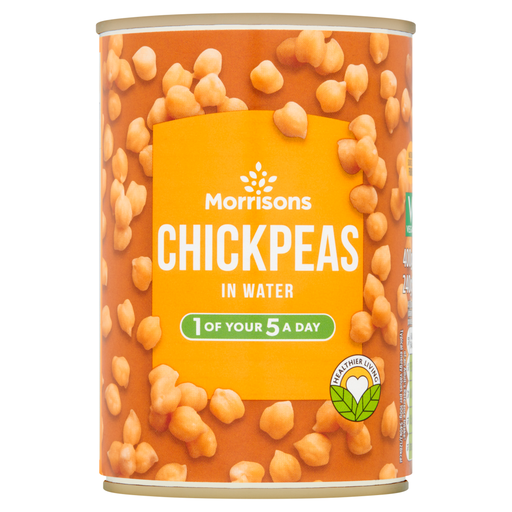
Why This Fits Their Persona: A practical starting point for students, flat-sharers and busy households building an economical cupboard of versatile ingredients. The can contains approximately two servings and can be used cold or heated.
The ingredient list is short, and the nutrition information provides both drained values and a half-can serving reference, making portions easier to judge.
Suitable for vegan and vegetarian diets; useful in hummus, curries, salads, stews or roasted snacks.

Why This Fits Their Persona: A convenient choice for shoppers who want clearly portioned fruit for desserts, breakfasts or chilled snacks without preparing fresh peaches.
It is packed in juice rather than syrup, and the product information states a 235g drained weight, helping you assess the usable portion.
Ready to eat; contains peaches, clarified pineapple juice from concentrate and citric acid.
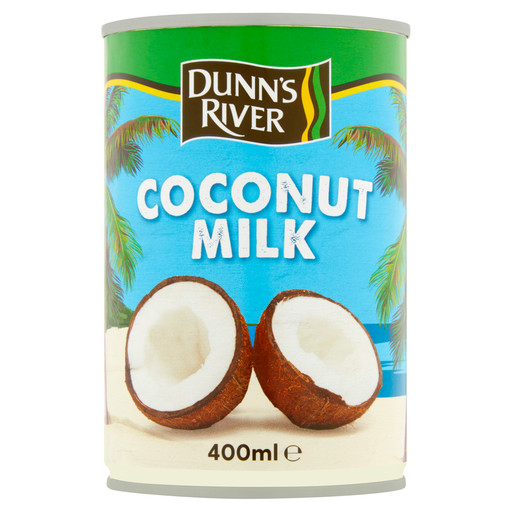
Why This Fits Their Persona: Designed for regular home cooks making Caribbean or Asian curries, soups, stews, desserts and smoothies.
The product is clearly positioned as a cooking ingredient, with coconut extract listed at 60%. The label also flags its relatively high saturated fat content.
A 400ml format suits many recipes; the ingredients are coconut extract, water and stabiliser.
We have compiled a complete, real-time list of products that fully satisfy these strict selection criteria and UK safety regulations.
Store unopened canned food in a cool, dry place, away from direct sunlight, radiators and damp areas. Rotate items so older tins are used first, and check the best-before date and packaging before opening.
Once opened, transfer unused contents to a non-metallic, airtight container and refrigerate. Many products recommend using leftovers within two to four days, although the exact period varies. Follow the label for each item. Coconut milk, fish, fruit and vegetables may have different instructions.
Some products also need special handling. Jamaican ackee, for example, is supplied pre-cooked but should be consumed only according to the product instructions. Do not use any can or jar that is swollen, leaking or visibly damaged.
Yes. Chickpeas, spinach, beansprouts, canned fish and coconut milk can reduce preparation time in curries, soups, rice dishes, salads and pasta. Fruit cocktail, peaches, mandarins and pineapple can be served directly as snacks or added to breakfast and desserts.
No. Properly stored unopened cans can remain usable for a long period, but they should still be checked against the printed best-before date and inspected for damage. Quality can decline over time, particularly if tins are stored in heat or damp conditions.
Yes. Fruit in juice is packed with fruit juice, while syrup contains added sugar and is generally sweeter. Compare the ingredients, sugar values and drained weight to select the format that matches your recipe and preferences.