
24/7 Customer Support

Free returns

Same-day & Next-day Delivery

Quality Guaranteed

Unlock Your Welcome Offers: FREE Delivery | Up to 80% OFF | Free 30-day JoyPlus trial
Download the APP
Canned food can make weekly shopping easier, but a low shelf price does not always represent good value. A tin may contain less usable food than expected, include more syrup or sauce than you wanted, or require quick consumption after opening. For UK households, students, busy families and meal planners, the key is to compare what is inside the can, how it fits your cooking routine and how easily it can be stored.
This guide explains the main buying traps, the specifications worth checking and our top recommendations for different household needs.
The weight printed on the front may include water, juice, oil or syrup. With canned fruit, canned vegetables and tinned fish, the drained weight often gives a more realistic idea of the portion you can use.
For example, Del Monte Peach Halves in Juice is listed at 415g with a drained weight of 235g. Comparing drained weights is particularly important when choosing bulk canned groceries or calculating the cost per serving.
Words such as “natural”, “premium” or “traditional” do not tell you how much of the main ingredient is present. Check the percentage declaration instead.
The Yujiaxiang Japanese Grilled Eel Can contains 55% eel, while the Eagle Coin Fried Dace with Salted Black Beans lists 38% dace and 24% fermented black beans. These figures help you understand the balance of fish, sauce, oil and other ingredients before buying.
Canned food can be convenient without being suitable for every meal plan. Compare the nutrition panel per 100g and check whether the figure refers to the drained product or the full contents.
Allergen information is also essential. Tinned fish may contain fish, wheat, soya or sesame, while canned chickpeas can carry allergy advice relating to celery. Always read the current packaging, particularly if ingredients or recipes change.
For simple pantry essentials, a short ingredients list can make meal planning easier. Napolina Chopped Tomatoes contain 99.9% tomatoes and citric acid, making the 4 x 400g multipack suitable for sauces, soups, casseroles and pizza toppings. KTC Peeled Plum Tomatoes are also ready to use and contain peeled tomatoes, tomato juice and citric acid.
For prepared canned meat and ready-to-eat meals, look more closely at preservatives, stabilisers and flavourings. Spam Chopped Pork and Ham contains 89% pork and 2% ham, alongside starch, salt and other listed ingredients.
Choose individual pots or smaller tins for lunches, snacks and occasional use. Larger multipacks are more practical when an ingredient appears regularly in your cooking.
A 12 x 400g pack of Laila Canned Chickpeas provides a substantial cupboard supply for hummus, curries, salads and stews. However, only buy in bulk if you have enough cool, dry storage and expect to use the products before their quality declines.
Before purchasing canned food, check that the cans are intact, with no severe dents, swelling, leaks or rust around the seams. Store unopened tins in a cool, dry place, away from direct sunlight.
After opening, transfer leftovers to a suitable non-metallic, airtight container and refrigerate. Product instructions vary: Napolina Chopped Tomatoes advise using the contents within two days, while canned fruit such as peaches and pears may allow three to four days. Follow the label rather than relying on a general assumption.
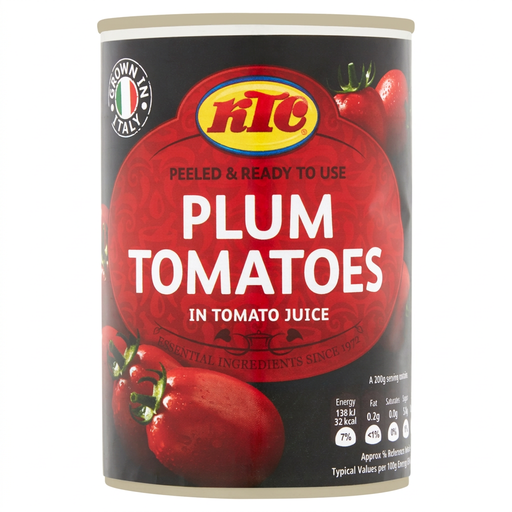
Why This Fits Their Persona: A straightforward option for students, first-time renters and shoppers building a basic cupboard for pasta, soups and stews.
The ingredients list is concise, helping you avoid paying for an unnecessarily complex sauce when you need a flexible cooking base.
Peeled and ready to use; 16 kcal per 100g according to the supplied nutrition information.
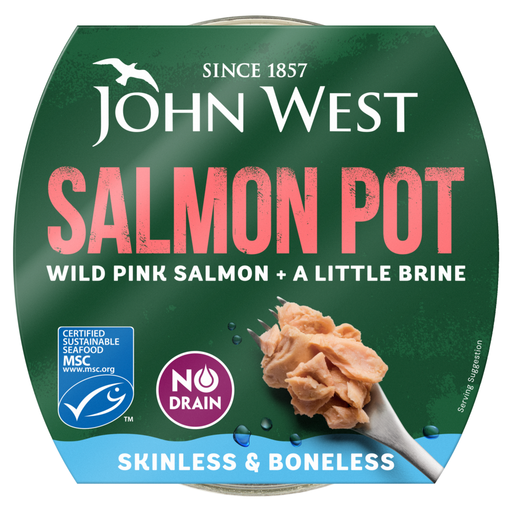
Why This Fits Their Persona: A convenient portion for shoppers who want tinned fish for salads, sandwiches, toast or crackers without opening a larger can.
The 80g fridgepot makes portion planning clearer than buying a large tin and risking unused leftovers.
Contains 90% pink salmon; ready to eat and listed at 23g protein per 100g.
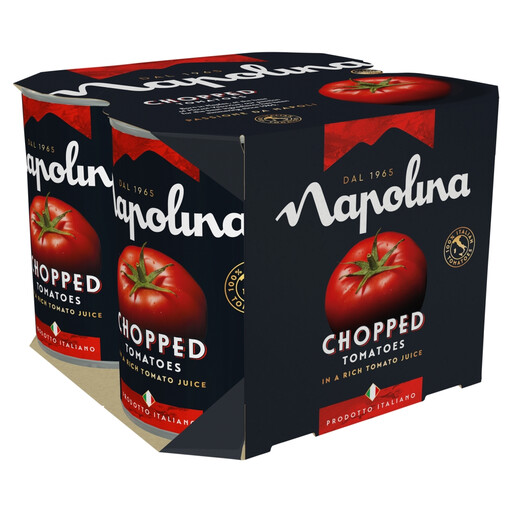
Why This Fits Their Persona: Designed for family cooks and meal planners who regularly prepare pasta sauces, pizza toppings, soups and casseroles.
A four-tin multipack can reduce repeat purchases, while the simple recipe avoids paying for a pre-seasoned sauce that may not suit every dish.
4 x 400g format; 99.9% tomatoes and 23 kcal per 100g in the supplied nutrition information.
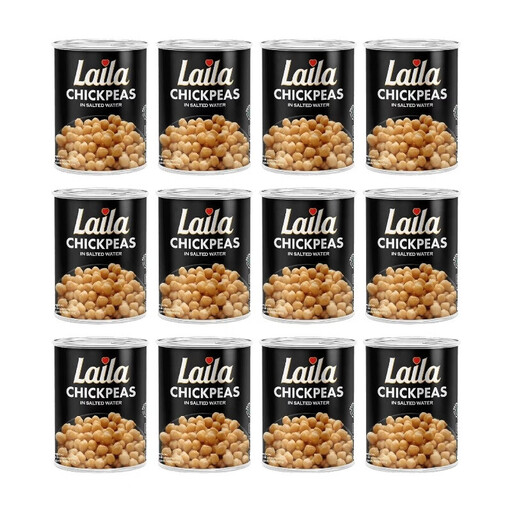
Why This Fits Their Persona: A bulk format for households cooking plant-based meals, preparing lunches in advance or keeping versatile staples available.
The 12 x 400g case makes the total quantity clear, helping shoppers compare bulk value rather than judging by a single-tin price.
Ready to use without soaking; 6.9g fibre and 5.8g protein per 100g drained, as listed.
We have compiled a complete, real-time list of products that fully satisfy these strict selection criteria and UK safety regulations.
For breakfast or desserts, Princes Prunes With Juice 410g and Princes Pear Halves in Syrup 410g offer ready-to-serve fruit. Compare the liquid used: prunes are supplied with juice, while the pears are in syrup and list 15g sugar per 100g.
Del Monte Fruit Cocktail in Juice and Del Monte Peach Halves in Juice are convenient for snacks, yoghurt and desserts. Tiger Tiger Canned Rambutan Whole 565g provides a different option for fruit salads and smoothies, but its drained nutrition panel lists 20.9g sugar per 100g.
For stronger savoury flavours, John West Sardines in Spicy Tomato Sauce can be served on toast, with pasta or in salads. Fried Dace 184g and Eagle Coin Fried Dace with Salted Black Beans are ready to eat with rice, congee or noodles. Check their fish, soya and wheat allergen information before serving.
A roasting tin can also complement a stocked cupboard. The Maison by Premier From Scratch Roasting Tin & Rack measures 29 x 40cm, includes a wire rack and has a non-stick coating. Hand washing and non-metal utensils are recommended to help protect that coating.
Unopened canned food is designed for ambient storage, but always follow the best-before information and store tins in a cool, dry place. Rotate older items to the front of the cupboard and avoid using cans that are swollen, leaking or severely damaged.
Rinsing is optional and depends on the recipe. It can remove some of the packing liquid and may alter the taste or texture. For chickpeas, draining and rinsing can be useful for salads, hummus and recipes where you want more control over salt and moisture.
Bulk buying can reduce the price per tin, but only when you will use the products and have suitable storage. Compare the total pack size, drained weight, delivery cost and best-before dates. Smaller packs may offer better value for households with limited cupboard space or irregular cooking habits.