
24/7 Customer Support

Free returns

Same-day & Next-day Delivery

Quality Guaranteed

Unlock Your Welcome Offers: FREE Delivery | Up to 80% OFF | Free 30-day JoyPlus trial
Download the APP
Canned and frozen fruit can make breakfasts, desserts and family meals much easier, particularly when fresh produce is out of season or likely to go unused. However, attractive packaging does not always tell you how much fruit you are buying, how much sugar is included or how long the product will last after opening.
This guide explains the main buying pitfalls, the label details worth checking and which formats suit different households, from busy professionals to home cooks looking for tropical fruit ingredients.
A can may display a generous total weight, but part of that figure can be juice or syrup. For example, a 425g can of sliced mango may have a drained weight of 230g. Compare drained weights when judging value, especially if you plan to use the fruit in baking, salads or lunchboxes.
Fruit in juice usually avoids the heavier sweetness associated with fruit in syrup, but it still contains naturally occurring sugars. Some products also use juice from concentrate. Check the ingredients and the nutrition panel rather than relying only on front-of-pack wording.
Fruit in syrup generally contains added sugar. It can work well in desserts and sweet soups, but draining some of the syrup may help reduce sweetness in everyday servings.
Canned fruit is convenient to store in a cupboard, while frozen fruit needs freezer space and consistent storage at -18°C or below. Once opened, canned or jarred fruit usually needs transferring to a covered, non-metallic container and refrigerating. The recommended use period varies from around two to seven days, so check the label for the specific product.
Frozen fruit can also clump together if repeatedly thawed and refrozen. Buy pack sizes that match how often your household uses smoothies, baking ingredients or frozen snacks.
For tinned fruit, compare:
A smaller can with a higher fruit percentage may provide more usable fruit than a larger can containing more liquid.
Choose the format that matches your use:
Look at the full ingredients list. Frozen strawberries or frozen mango chunks may contain only fruit, while canned peaches, pears, pineapple, mango and lychees can also include water, sugar, acidity regulators or antioxidants.
Frozen products should remain frozen until needed and should not be refrozen after thawing. Some packs recommend defrosting in the refrigerator for several hours and using the fruit within 24 hours.
For ambient products, avoid cans or jars that are swollen, leaking or badly damaged. After opening, follow the stated refrigeration period. A product such as dried red dates should be resealed and kept in a cool, dry place, while frozen durian pulp needs freezer storage throughout.

Why This Fits Their Persona: A mixed fruit option for shoppers building a practical cupboard selection without buying several separate cans. It is ready to eat for snacks, breakfasts and simple desserts.
The ingredients specify fruit and clarified pineapple juice rather than syrup. The nutrition panel lists 49 kcal per 100g, making comparison with syrup-packed alternatives straightforward.
Includes peaches, pears, pineapple, grapes and cherries; ready to eat and suitable for general cupboard storage before opening.
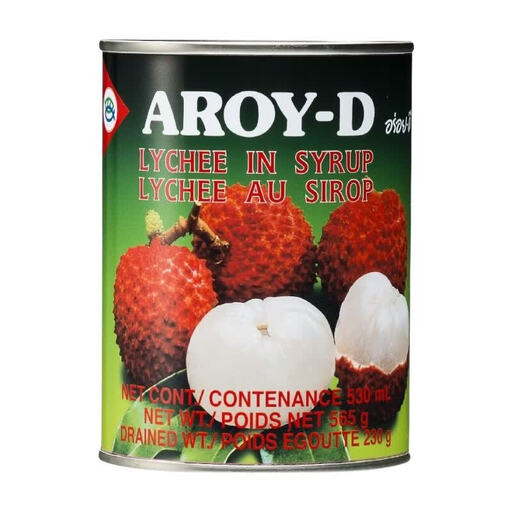
Why This Fits Their Persona: A suitable choice for Asian cuisine enthusiasts and dessert makers who want floral, tropical fruit for serving, drinks and traditional-style recipes.
The label clearly identifies lychees at 50%, along with water, sugar and citric acid. This makes it easier to account for syrup when planning sweetness.
Ready to eat, with 565g net quantity; can be used in fruit salads, chilled drinks, ice cream and Asian-inspired desserts.

Why This Fits Their Persona: A freezer staple for households making regular smoothies, porridge toppings, sauces, crumbles and yoghurt bowls.
It contains strawberries, redcurrants, raspberries, blueberries and blackberries, rather than an unspecified “berry mix”. Keep it frozen and do not refreeze after thawing.
Vegan-friendly ingredients with an 80g serving size and 3.1g fibre per 100g listed on the product information.

Why This Fits Their Persona: Pre-cut frozen mango is convenient for weekday smoothies, breakfast bowls and quick tropical desserts without peeling or chopping.
The ingredient is listed as frozen chopped mango, with no added sugar or preservatives stated. Thaw thoroughly for direct consumption and do not refreeze.
500g pack of prepared chunks; suitable for smoothies, sorbets, fruit bowls, salsa and cooked dishes.
We have compiled a complete, real-time list of products that fully satisfy these strict selection criteria and UK safety regulations.
For cupboard storage and immediate serving, canned fruit is usually simpler. Frozen fruit is more flexible for smoothies and cooking but needs freezer space and careful thawing. Compare the drained weight of canned products with the usable amount in frozen packs.
The period depends on the product. Many cans advise refrigeration and consumption within two to four days, while some jars specify up to seven days. Transfer leftovers to a suitable covered container and follow the packaging instructions.
Fruit in juice often has less added sweetness than fruit in syrup, but it is not necessarily low in sugar. Read the ingredients and nutrition information per 100g, and drain the liquid if you prefer a less sweet serving.