
24/7 Customer Support

Free returns

Same-day & Next-day Delivery

Quality Guaranteed

Unlock Your Welcome Offers: FREE Delivery | Up to 80% OFF | Free 30-day JoyPlus trial
Download the APP
Canned and frozen vegetables can make weekday cooking considerably easier, whether you are preparing a quick curry, a packed lunch, a stir-fry or a family meal. However, attractive packaging does not always tell you how useful a product will be in your kitchen.
The main buying traps are usually straightforward:
A more reliable approach is to compare the ingredient list, format, net or drained weight, nutrition panel and storage requirements before adding products to your basket.
Tinned vegetables and canned beans are convenient for cupboard storage. They are already cooked or heat-treated, so products such as chickpeas, kidney beans, sweetcorn, water chestnuts and beansprouts can usually be drained, rinsed and added to a dish with minimal preparation.
Frozen vegetables are useful when you want to keep ingredients available for longer without relying on frequent fresh-food shopping. Frozen peas, edamame, frozen okra and lotus root can be portioned into meals as required. Freezer products do require sufficient freezer space and must generally be kept at -18°C or below.
Neither format automatically suits every recipe. Canned beans work well in soups, stews, chilli, hummus and salads. Frozen vegetables are often more suitable for dishes where you want a firmer texture or a cook-from-frozen ingredient.
Look beyond the front label. A short ingredient list can make a product easier to use across vegetarian and vegan recipes, but preserved products may contain salt, acidity regulators, oil, sugar or preservatives.
For example, Cooks & Co 5 Bean Mix contains white beans, chickpeas, lima beans, kidney beans and borlotti beans, with water and ascorbic acid. TT Beansprouts in Water includes sodium metabisulphite and declares sulphites, so this is important information for shoppers who need to avoid that allergen.
Check whether the product is labelled as suitable for vegans or vegetarians, and read the allergen statement each time because recipes and packaging can change.
When comparing canned vegetables, compare drained weight, not just the large number printed on the front. Water contributes to the net weight but is not the ingredient you will serve.
Morrisons Chickpeas In Water 400g, for instance, states that the can provides approximately two portions. Cooks & Co Red Kidney Beans 400g and KTC Red Kidney Beans 400g are both ready-to-use options, but their listed nutritional values and ingredients differ. Rinsing beans can also reduce the taste of the packing liquid and help them blend more naturally into a recipe.
Texture is a practical specification rather than a marketing promise. Whole water chestnuts are intended to add crunch, while beansprouts can soften if cooked for too long. Frozen sliced okra is designed for curries, soups and stir-fries; whole baby okra may be more suitable when you want intact pods.
Follow the label instructions carefully. Birds Eye Garden Peas should be cooked from frozen and not eaten raw or defrosted. Frozen okra and lotus root products also require thorough cooking. Once a can or jar is opened, transfer unused contents to a non-metallic or airtight container, refrigerate and use within the stated period—often two to three days.
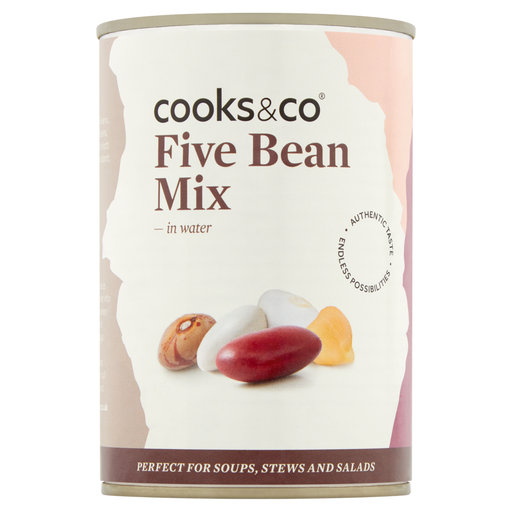
Why This Fits Their Persona: A practical starting point for UK households building a cupboard of vegetarian ingredients for soups, salads, stews and quick lunches.
The product lists five bean varieties clearly, making it less likely that a general-purpose tin will be unsuitable for planned recipes.
400g ambient format; contains chickpeas, kidney beans and other legumes; listed as suitable for vegetarians.
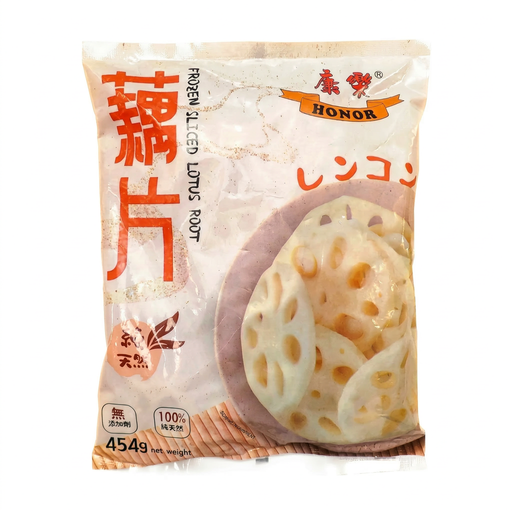
Why This Fits Their Persona: A suitable choice for cooks who want a distinctive Asian vegetable with a clean, single-ingredient format.
The ingredients list states 100% lotus root, avoiding a long list of flavourings or unnecessary additions.
454g pack; pre-sliced; suitable for stir-fries, soups, salads and hot pots.
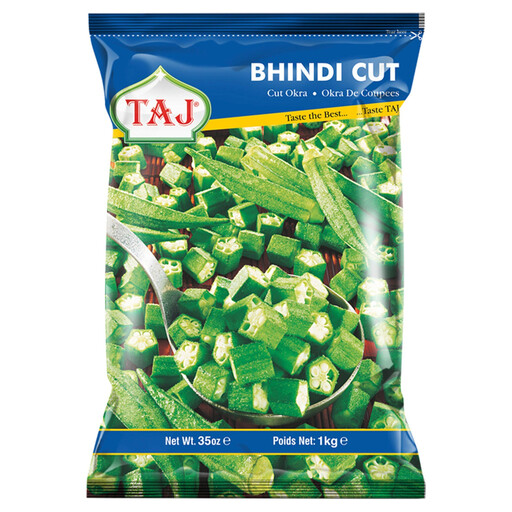
Why This Fits Their Persona: The larger frozen pack suits frequent curry, bhindi masala or stir-fry cooking and reduces repeated chopping.
The cut format removes washing and trimming work, while the frozen storage instructions make its intended use clear.
1kg quantity; pre-cut; suitable for vegetarians and vegans; cooks directly from frozen.
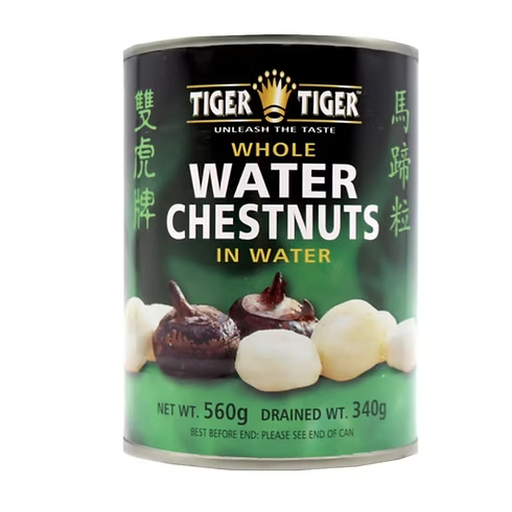
Why This Fits Their Persona: Useful for households regularly making stir-fries, dumplings, soups, salads or hot-pot dishes.
The label states that the chestnuts should be drained and rinsed, helping shoppers plan for the preparation needed to improve flavour.
567g whole format; ready to use after rinsing; adds a crisp texture to hot and cold dishes.
We have compiled a complete, real-time list of products that fully satisfy these strict selection criteria and UK safety regulations.
Yes. Canned chickpeas, kidney beans, sweetcorn, water chestnuts and beansprouts can reduce preparation time. Drain and rinse them where appropriate, then add them to salads, wraps, curries, noodles, soups or stews. Always follow the product’s label, particularly for items that are not intended to be eaten straight from the can.
Unopened canned products generally remain suitable until the printed best-before date when stored in a cool, dry place. Once opened, refrigerate the contents in a suitable container and use them within the stated timeframe. Frozen vegetables should remain continuously frozen at -18°C or below and must not be refrozen after thawing. Check each package for its specific guidance.
The cost depends on pack size, portion control and waste. Frozen okra, peas, edamame and lotus root can be useful when you only need part of a bag, while canned products may be convenient for one or two servings. Compare the price per 100g, drained weight for tins and how much of the pack your household is likely to use.