
24/7 Customer Support

Free returns

Same-day & Next-day Delivery

Quality Guaranteed

Unlock Your Welcome Offers: FREE Delivery | Up to 80% OFF | Free 30-day JoyPlus trial
Download the APP
Buying canned fruit can make breakfasts, packed lunches and desserts much easier, but the label does not always tell the full story at first glance. A tin may look generous while containing considerably less fruit after draining, or a product described as “light” may still contain added sugar.
For UK households, the practical choice depends on more than flavour. Check the liquid, drained weight, storage requirements and intended use before adding products to your online grocery basket.
The large number on the front of a tin usually refers to the total contents, including juice or syrup. The drained weight is a more useful figure when comparing value and portion sizes.
For example, Del Monte Pineapple Slices in Juice 435g has a stated drained weight of 260g, while Del Monte Peach Halves in Juice 415g lists a drained weight of 235g. Two tins with similar net weights may therefore provide different amounts of fruit.
Fruit in juice is packed with fruit juice rather than sugar syrup, although the fruit itself naturally contains sugar. Products in syrup contain water and added sugar, so they may be more suitable for desserts where extra sweetness is wanted, but less suitable for shoppers trying to reduce added sugar in everyday snacks.
Always check:
Unopened canned fruit is generally convenient for ambient cupboard storage, but once opened it should not be left in the tin. Transfer unused contents to a suitable non-metallic, covered container and refrigerate.
Several products specify using the contents within two to four days, while jarred or canned longans may have different instructions. Follow the packaging supplied with your order, particularly where the product has been imported.
Choose the format according to how you plan to use the product:
For vegan and vegetarian households, check the ingredients and allergen statement. Many fruit products contain no declarable allergens, but recipes can vary.
A family choosing canned peaches, pears or pineapple for several breakfasts should compare drained weight rather than only the tin size. A stated portion can also help with meal planning. Princes Pineapple Chunks With Juice 432g, for instance, states that the pack contains approximately two 216g servings.
For mixed products such as fruit cocktail, inspect the ingredient order. Del Monte Fruit Cocktail in Juice contains peaches, pears, pineapple, grapes and cherries in variable proportions, so the exact balance may differ between portions.
Ambient products are practical for cupboards, but frozen and dried fruit have different requirements:
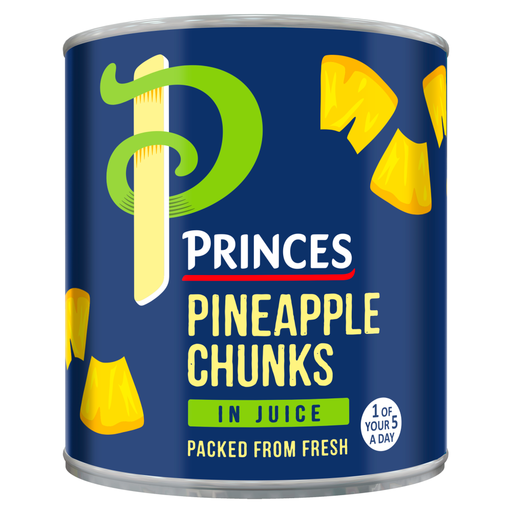
Why This Fits Their Persona: A straightforward cupboard option for shoppers starting to build a supply of ready-to-eat fruit for lunchboxes, breakfasts and quick snacks.
The listing identifies juice, net quantity and two approximate servings, making portion planning easier than relying on the front-of-pack weight alone.
432g net quantity; pineapple chunks in pineapple juice; ready to eat and suitable for fruit salads or recipes.
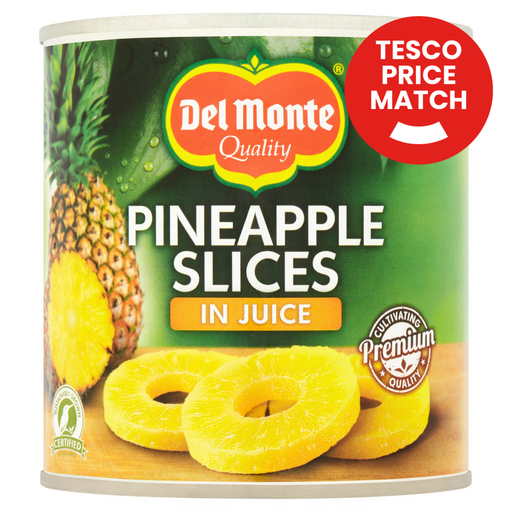
Why This Fits Their Persona: Suitable for shoppers who prefer recognisable slices for serving with desserts, grilling recipes or breakfast dishes.
It contains pineapple and pineapple juice, rather than syrup, and clearly states a 260g drained weight for more transparent comparison.
Sliced format; 63 kcal and 12g sugars per 100g as listed; recyclable steel can.
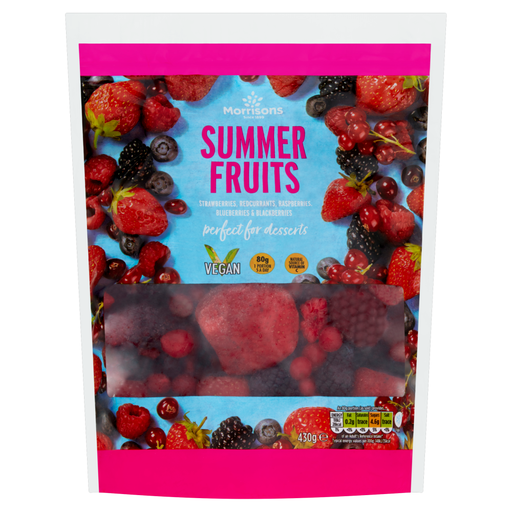
Why This Fits Their Persona: A freezer-friendly choice for households using fruit frequently in smoothies, yoghurt, porridge, baking and desserts.
The product is a named mixture of strawberries, redcurrants, raspberries, blueberries and blackberries, rather than an unspecified “summer fruit” blend.
430g pack; five listed fruit varieties; keep frozen at -18°C or colder.

Why This Fits Their Persona: A shelf-stable alternative to canned or frozen fruit for desk drawers, packed lunches, baking and breakfast cereals.
The ingredients list contains dried figs and rice flour, with no syrup-based liquid to inflate the pack weight.
175g resealable snack pack; 9.1g fibre per 100g as listed; suitable for cereals and baking.
We have compiled a complete, real-time list of products that fully satisfy these strict selection criteria and UK safety regulations.
Canned peaches and pears work well with porridge, custard and crumble. Pineapple can be added to fried rice, salsa, pizza-style recipes or grilled dishes. Fruit cocktail is convenient for quick desserts, while tropical fruit such as mango and longan can be used in smoothies, chilled desserts and fruit salads.
If you need fruit for blending, frozen mango chunks or frozen strawberries may be more practical than draining tins. For compact snacks, dried figs, red dates or goji berries take up less cupboard space, but their nutrition panels should be compared per 100g because drying concentrates the fruit.
Canned fruit can be a practical alternative when fresh fruit is unavailable, out of season or likely to go unused. The nutritional profile varies by fruit and packing liquid, so compare the label and consider fruit in juice where that better suits your routine.
Follow the product instructions, but many tins should be transferred to a covered non-metallic container, refrigerated and consumed within two to four days. Do not rely solely on the unopened best-before date once the can has been opened.
It can be included as part of a varied diet, but syrup usually contains added sugar. For regular breakfasts or snacks, compare products in juice with syrup-packed alternatives and check the sugar value per 100g and per serving.