
24/7 Customer Support

Free returns

Same-day & Next-day Delivery

Quality Guaranteed

Unlock Your Welcome Offers: FREE Delivery | Up to 80% OFF | Free 30-day JoyPlus trial
Download the APP
Canned meat can make weekday meals, student cooking and emergency cupboard planning much easier. However, the front of a tin rarely tells the whole story. A larger can may contain more brine than expected, a “high meat content” product may still be high in salt, and a Halal-style description is not a substitute for checking certification and ingredients.
This guide explains the details worth checking before buying canned meat, including tinned meat, luncheon meat, corned beef, canned hot dogs, Vienna sausages, tuna and chicken products. It also highlights suitable options for different household needs.
A 400g or 550g tin may include brine, water or cooking liquid. Compare the drained weight where it is provided, particularly when comparing canned hot dogs, frankfurters or Vienna sausages. A smaller tin with a higher proportion of meat can offer more useful servings than a larger product with substantial liquid.
Ready-to-eat meat is convenient, but the nutrition panel still matters. Luncheon meats and chopped pork products can contain notable levels of fat and salt. For example, the listed nutrition for SPAM Chopped Pork and Ham 340g is 292 kcal and 2.4g salt per 100g, while Princes Reduced Salt Corned Beef lists 1.40g salt per 100g.
“Ready to eat” also does not always mean “eat straight from the tin”. Tropical Sun Chicken Luncheon Meat is marked as requiring cooking, so read the preparation instructions rather than relying on the product category.
For halal canned meat, look for clear Halal certification on the packaging or product listing, and check the full ingredient declaration. Products may contain soya, wheat, milk, mustard or celery even when the main ingredient is chicken or beef. Consumers avoiding pork should also check mixed-meat products carefully, especially luncheon meat and frankfurters.
UK food labels list ingredients by weight, from highest to lowest. Compare the stated meat percentage and the type of meat used. Princes Corned Beef 340g lists cooked beef at 98%, while Tropical Sun Chicken Luncheon Meat lists chicken meat at 60% alongside water, vegetable oil, soya protein and wheat starch.
For distinctive flavour, consider the recipe as well as the percentage. Corned mutton may include mutton offal, while luncheon meat with ham combines pork, ham, starch and seasoning. These are not interchangeable products, even when the tin sizes look similar.
Use the nutrition table per 100g for straightforward comparisons. Some useful figures from the available range include:
These figures describe the products as listed and should not be treated as medical advice. If you are managing a dietary condition, follow guidance from a qualified healthcare professional.
Unopened tins generally belong in a cool, dry cupboard, away from direct heat and frost. Avoid cans that are swollen, leaking, punctured or severely dented. After opening, transfer leftovers to a non-metallic airtight container and refrigerate.
Many products specify consumption within two days, although Tropical Sun Chicken Luncheon Meat gives three to four days for best quality and safety. Follow the packaging for the specific product. Check whether the item is ready to eat, requires heating or must be cooked thoroughly. For young children, cut sausages lengthways and into small pieces to reduce choking risk.
The right canned meat depends on how you intend to use it, how many people you are feeding and which ingredients you need to avoid.
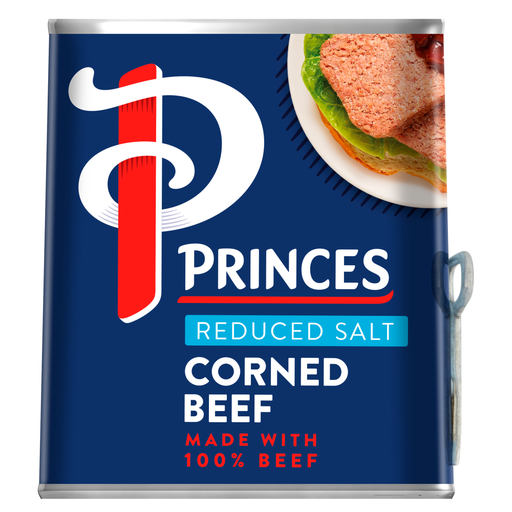
Why This Fits Their Persona: A practical 340g tin for students, smaller households and shoppers planning simple corned beef hash, sandwiches or quick lunches.
The listing states 99% cooked beef and provides a salt figure of 1.40g per 100g, making the label easier to assess than relying on front-of-pack wording.
340g format; 25g protein per 100g; suitable for recipes that stretch with potatoes, onions or rice.
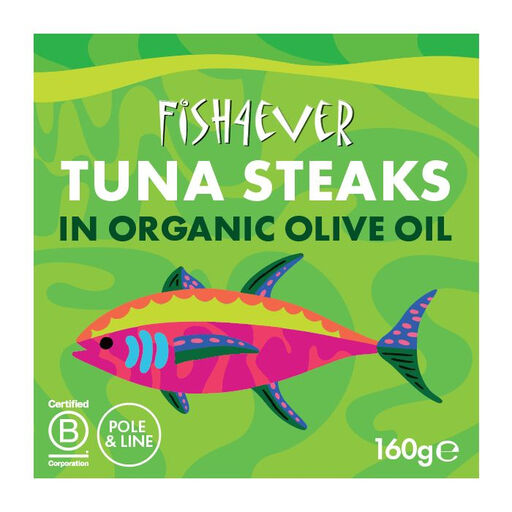
Why This Fits Their Persona: Suits shoppers seeking canned tuna with a short ingredient list for salads, pasta, couscous or rice.
The listed ingredients are skipjack tuna, organic olive oil and sea salt, so buyers can identify the main contents without a long seasoning blend.
160g tin; 30.9g protein per 100g; organic olive oil is listed as the packing medium.

Why This Fits Their Persona: A useful option for Caribbean, African and international recipes, including rice dishes, curries, stews and traditional hash.
The listing identifies the product as Halal and specifies cooked mutton meat and mutton offal, allowing shoppers to check whether the recipe suits their preferences.
Ready to eat; 24.2g protein per 100g; suitable for slicing, sautéing or adding to cooked dishes.
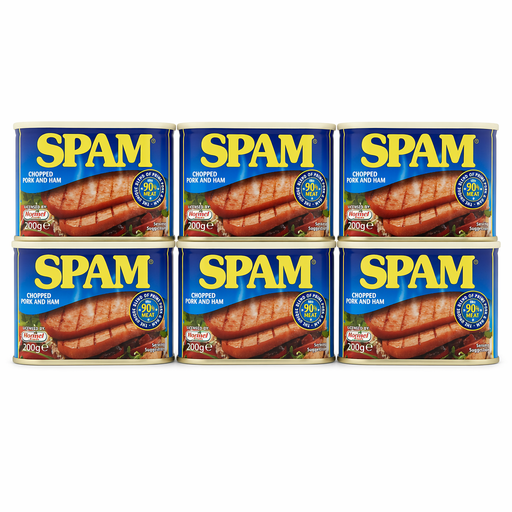
Why This Fits Their Persona: The multipack is suited to larger households, frequent cooks and shoppers building a convenient cupboard staples selection.
The pack quantity and 200g individual tin size are clear, helping heavy users plan portions instead of buying a large single tin without checking usage.
Six separately packaged tins; 15g protein per 100g; can be served hot or cold according to the listing.
We have compiled a complete, real-time list of products that fully satisfy these strict selection criteria and UK safety regulations.
Some products are ready to eat, including the listed corned mutton and Vienna sausages. Others, such as Tropical Sun Chicken Luncheon Meat, require cooking. Always follow the preparation instructions on the individual label.
Storage guidance varies, but many products specify refrigerating leftovers in a sealed, non-metallic container and consuming them within two days. Do not store opened food in the tin unless the packaging specifically permits it.
It can be practical because unopened tins are compact and store at room temperature. Choose products according to your cooking facilities, dietary requirements, salt preferences and serving size. Pairing tinned meat with rice, pasta, potatoes, beans or vegetables can create more flexible meals than relying on the meat alone.