
24/7 Customer Support

Free returns

Same-day & Next-day Delivery

Quality Guaranteed

Unlock Your Welcome Offers: FREE Delivery | Up to 80% OFF | Free 30-day JoyPlus trial
Download the APP
A well-stocked pantry is a cornerstone of convenient home life, and few items are as reliable as a can of soup. Whether you need a warming lunch on a chilly day, a quick dinner for the family, or a versatile base for a casserole, tinned soup is a dependable staple. However, the supermarket aisle and online listings are filled with options that can be surprisingly different in quality, nutritional value and purpose.
Navigating the choices can lead to common buying mistakes. Many shoppers find themselves with a product that is saltier, sweeter or thinner than expected. To help you stock your cupboards with confidence, we'll break down the key things to look for and highlight the pitfalls to avoid when choosing your next canned soup.
Before adding to your basket, be aware of these frequent traps that can lead to a disappointing meal:
To ensure you get exactly what you want, focus on these three non-negotiable parameters.
The most reliable way to compare soups is by looking at the per 100g values on the nutritional information table. This provides a standardised measure, as "per serving" sizes can vary wildly between brands. Pay close attention to:
Your choice of format dictates preparation and use.
For ultimate control over ingredients, salt and flavour, making soup from scratch is a rewarding alternative. A simple immersion or hand blender can turn roasted vegetables and stock into a silky-smooth soup in minutes. It's a small appliance that opens up a world of fresh, homemade options.

Why This Fits Their Persona: For those who love the idea of soup but want full control, this tool is the perfect solution. It allows you to make fresh, preservative-free soup from scratch, customising the salt, sugar and creaminess to your exact preference. It moves beyond the limits of canned goods into creative cooking.
This completely bypasses the pitfalls of hidden salt, sugar and artificial thickeners found in some pre-made soups. You are in 100% control of every ingredient that goes into your meal.
Versatility: The 4-in-1 design with whisk and chopper attachments goes far beyond soup, assisting with a wide range of kitchen tasks.
Easy to Clean: The detachable shaft simplifies the cleaning process.
Based on these practical considerations, here are some recommendations matched to different needs.
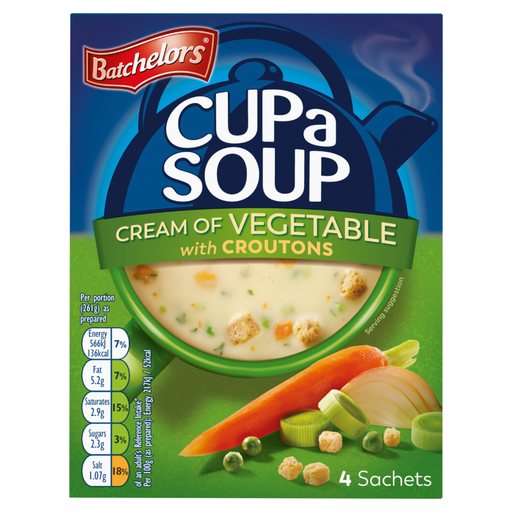
Why This Fits Their Persona: For someone needing a fast, warming lunch at their desk, this is the ultimate convenience. It requires only a kettle and a mug, delivering a satisfying single portion in minutes without any need for a hob or microwave.
It completely avoids the condensed vs. ready-to-serve confusion. The single-serving sachet format is unambiguous, ensuring a perfectly prepared portion every time.
Speed and Simplicity: Ready in one minute with just boiling water.
Portion Control: The individual sachets are perfect for a single serving, minimising waste.
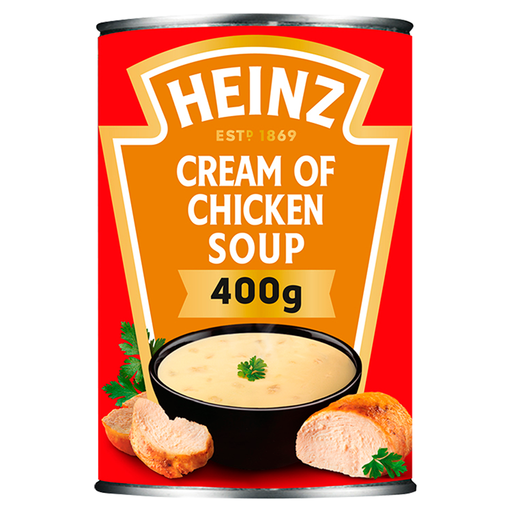
Why This Fits Their Persona: This is a classic, comforting flavour that appeals to all ages, making it a reliable choice for a quick family meal. As a ready-to-serve soup, it requires minimal effort on a busy weeknight—just heat and serve with bread for a satisfying dinner.
This is a ready-to-serve soup, eliminating any risk of improper dilution. The recipe is also low in fat and contains no artificial colours or preservatives, addressing concerns about hidden unhealthy additives.
Familiar Flavour: A trusted and widely enjoyed taste that is a safe bet for families.
Convenience: As a ready-to-serve soup, it's a simple and quick meal solution.
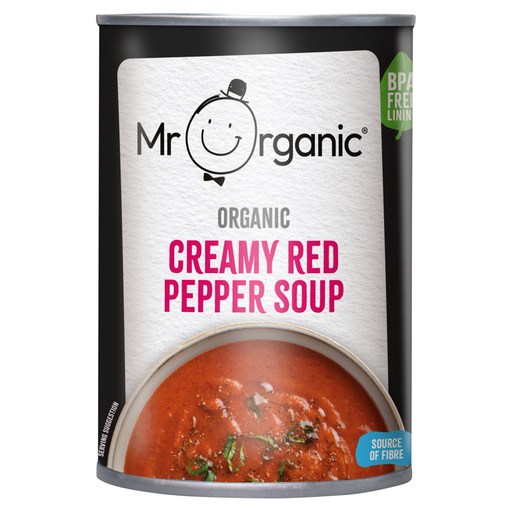
Why This Fits Their Persona: This soup is designed for those who prioritise clean, plant-based ingredients. It's certified organic, contains no added sugar and is a source of fibre. The clear ingredient list and focus on natural flavours make it a trustworthy choice for a nourishing meal.
It directly counters the "healthy halo" trap by having genuinely strong nutritional credentials. With no added sugar and all-organic ingredients, its marketing claims are backed by its composition.
Clean Ingredients: 100% organic, plant-based and free from preservatives.
Nutritionally Mindful: A source of fibre with no added sugar, relying on naturally occurring sugars from the vegetables.
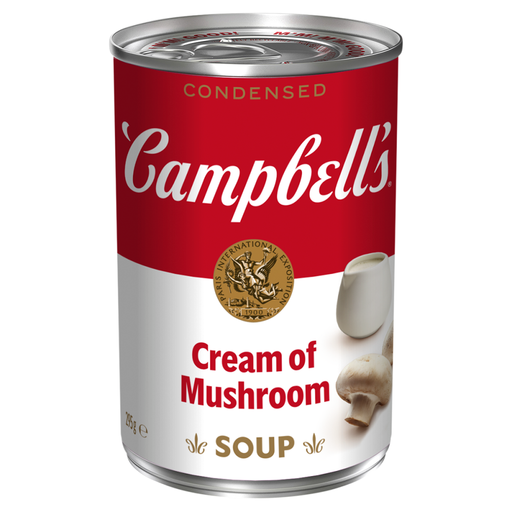
Why This Fits Their Persona: This is more than just a soup; it's a cooking ingredient. For the home cook who loves making chicken and mushroom pies, creamy pasta sauces, or hearty casseroles, this condensed soup provides a rich, flavourful and time-saving base.
By understanding this is a condensed product, the user leverages its concentrated nature as a strength for cooking, avoiding the pitfall of treating it as a ready-to-eat soup.
Cooking Versatility: The primary use is as a rich, creamy base for countless recipes, saving time on making a sauce from scratch.
Great Value: One small can creates double the volume of soup or provides a flavour base for a large family dish.
We have compiled a complete, real-time list of products that fully satisfy these strict selection criteria and UK safety regulations.
1. How long does canned soup last after being opened? Once a can of soup is opened, any unused portion should be transferred to a non-metallic, airtight container. It should then be stored in the refrigerator and consumed within two days for safety and to maintain its quality.
2. Can you use condensed soup without diluting it? While you can, it's not recommended if you're eating it as a soup, as the flavour and saltiness will be far too intense. Its concentrated form is, however, perfect for using undiluted as a sauce or flavour base in recipes like casseroles or pasta bakes.
3. Is tinned soup a healthy quick lunch idea? It certainly can be. The key is to be a savvy shopper. By checking the nutritional information for lower levels of salt and sugar and looking for a clear ingredients list with no artificial additives, a tinned soup can be a wholesome and convenient part of a balanced diet. Pairing it with wholemeal bread can make it an even more filling and nutritious meal.