
24/7 Customer Support

Free returns

Same-day & Next-day Delivery

Quality Guaranteed

Unlock Your Welcome Offers: FREE Delivery | Up to 80% OFF | Free 30-day JoyPlus trial
Download the APP
Navigating the supermarket aisle for something as seemingly simple as canned tuna can be surprisingly complex. With a wall of options promising different cuts, packing liquids and pack sizes, it is easy to end up with a product that does not suit your needs. As your Joybuy Product Recommendation Officer, my role is to help you see past the marketing clutter and make a choice that works for your kitchen, your diet and your budget.
Many shoppers find themselves disappointed after a purchase. Let's look at the common pitfalls to avoid:
To ensure you are satisfied with your purchase, focus on these three core parameters. They determine the texture, flavour, nutritional profile and overall value of your canned tuna.
The texture of the tuna is defined by its cut. This is perhaps the most important factor in matching the product to your intended meal.
The liquid the tuna is packed in affects its flavour, texture and nutritional content.
Finally, consider convenience and value.
Based on these practical considerations, here are a few options tailored to different needs and lifestyles.
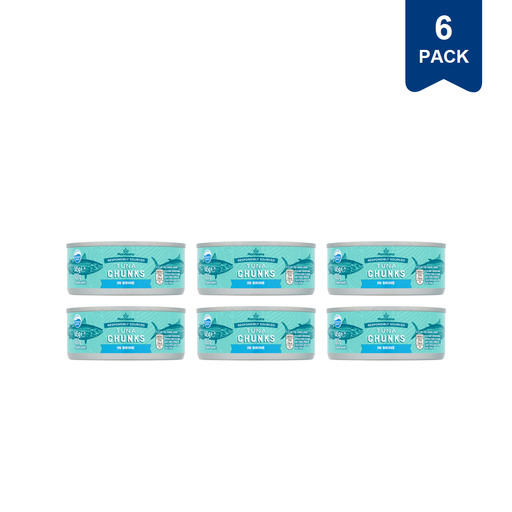
Why This Fits Their Persona: This multipack is an economical choice for keeping the store cupboard stocked. The versatile tuna chunks are perfect for quick family meals, from jacket potato toppings to pasta bakes, providing a reliable and affordable protein source.
Buying in a multipack provides better value per can, directly addressing the cost concerns of the "drained weight" trap. The product clearly states it contains tuna chunks, setting the right expectation for texture.
Excellent value for money. The versatile chunks in brine are a high-protein (24.9g per 100g) staple for a wide range of everyday recipes.

Why This Fits Their Persona: This product is designed for convenience and nutrition. The no-drain format is perfect for a quick, mess-free post-workout meal or a speedy high-protein lunch. Packed in spring water, it is low in fat and calories.
The "no drain" feature completely eliminates the net vs. drained weight issue, as you get 90% tuna. Choosing spring water avoids the hidden calories and fat found in oil-packed varieties.
Extremely convenient with no draining required. It delivers a very high protein content (27g per 100g) with minimal fat (0.9g per 100g).

Why This Fits Their Persona: For those short on time but not on taste, this product offers an instant meal solution. The Filipino-inspired adobo sauce provides a complex, savoury flavour that transforms the tuna into a ready-to-eat dish, perfect over rice or in a wrap.
This is a value-added product where the focus is on the flavour and convenience of the sauce, not just the tuna. The use of flakes is appropriate for a saucy dish, so it meets texture expectations.
A ready-to-eat meal with a distinctive, savoury and tangy adobo flavour. It is a highly convenient way to enjoy a flavourful, high-protein meal with minimal preparation.
We have compiled a complete, real-time list of products that fully satisfy these strict selection criteria and UK safety regulations.
For the lowest calorie and fat option, tuna in spring water is the clear choice. Tuna in brine is also low in fat but contains more sodium, which may be a concern for those monitoring their salt intake. Tuna in oil has the highest calorie and fat content, but some of the oil can be drained away. The oil can also help preserve the tuna's natural omega-3 fatty acids better than water. The choice depends on your personal dietary goals.
Once a can of tuna is opened, any unused portion should be transferred to a non-metallic, airtight container. It should then be stored in the refrigerator and consumed within two days to ensure it remains fresh and safe to eat.
The main difference is texture and piece size. Tuna chunks are larger, firmer pieces of fish that hold their shape well in salads and pasta dishes. Tuna flakes consist of smaller, softer pieces that are easily mashed and mixed, making them ideal for smooth sandwich fillings, dips and spreads.