
24/7 Customer Support

Free returns

Same-day & Next-day Delivery

Quality Guaranteed

Unlock Your Welcome Offers: FREE Delivery | Up to 80% OFF | Free 30-day JoyPlus trial
Download the APP
Canned tuna is a staple in many UK kitchen cupboards, and for good reason. It's a convenient, versatile and high-protein option for quick lunches and family dinners. Yet, the seemingly simple act of buying a can of tuna can be surprisingly frustrating. We've all been there: you open a can expecting firm, satisfying chunks for your salad, only to find a watery mash of flakes. Or you realise the "great value" multipack actually contains less fish and more liquid than you thought.
As the Joybuy Product Recommendation Officer, my role is to help you navigate these common issues. This guide cuts through the marketing clutter to focus on what truly matters, ensuring you get the quality and value you expect from your weekly shop. We'll look at the key pitfalls to avoid and the essential factors to check before you buy.
Before you even look at the price, be aware of these frequent pitfalls that can lead to a disappointing purchase:
To make an informed choice, focus on these three key parameters. They determine the texture, nutritional profile and overall value of your purchase.
The form of the tuna inside the can dictates its best use in the kitchen.
The liquid the tuna is packed in significantly affects its flavour, texture and nutritional content.
This is the most important factor for assessing value, especially when considering a tuna multipack or a bulk buy tuna offer.
Based on the criteria above, here are a few options from our range, matched to different household needs and preferences.

Why This Fits Their Persona: Perfect for a quick, high-protein lunch after the gym or during a busy workday. It can be added straight to a salad or eaten from the can without the mess of draining, fitting a fast-paced, health-focused lifestyle.
This product directly addresses the "no drain" illusion by offering genuine convenience. Packed in springwater, it avoids the hidden calories of oil and provides firm tuna chunks, not flakes.
Extremely high protein tuna at 27g per 100g with very low fat. The ultimate in convenience for lean, quick meals.
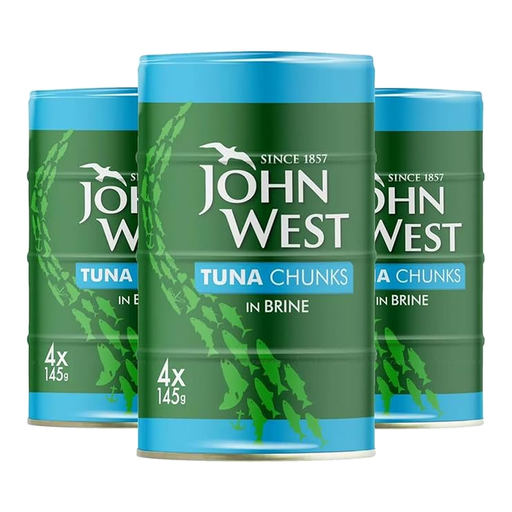
Why This Fits Their Persona: For families needing a reliable pantry staple for everything from kids' sandwiches to a quick pasta bake. Buying in bulk offers better value and ensures there's always a quick meal option on hand for busy weeknights.
This bulk buy tuna pack provides consistent quality, avoiding the "chunk vs. flake" gamble. By checking the drained weight (approx. 102g per can), you can accurately calculate the cost-per-serving, ensuring true value.
Excellent value for money when purchased as a tuna multipack. The versatile tuna in brine is a solid all-rounder for a wide range of family meals.
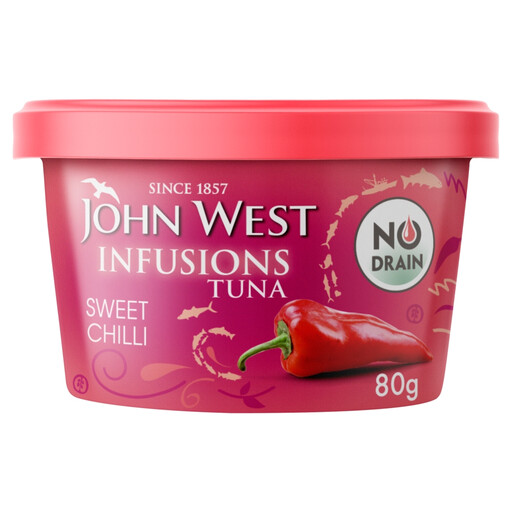
Why This Fits Their Persona: For those who find plain tuna uninspiring and want an instant flavour boost for their lunch. This is a ready-to-go topping for rice, potatoes or salads, requiring zero preparation.
While it does contain sugar, it avoids the "hidden additives" trap by being transparent. This isn't trying to be a simple health food; it's an intentionally flavoured product where the value lies in the pre-made, convenient sauce.
No draining required and ready to eat. The sweet chilli, pepper and jalape?o infusion provides a complex flavour that elevates simple ingredients instantly.
We have compiled a complete, real-time list of products that fully satisfy these strict selection criteria and UK safety regulations.
1. Is canned tuna in oil or water better for you? This depends entirely on your dietary goals. Tuna in springwater or brine is lower in calories and fat, making it a better choice for weight management or a lean protein diet. Tuna in sunflower oil has more calories and fat but can help you feel fuller for longer and provides a richer flavour and moister texture. If you choose tuna in oil, you are getting some added fats, but you can also drain it to reduce the amount.
2. How long does canned tuna last after opening? Once a can of tuna is opened, any unused portion should be transferred to a non-metallic, airtight container. It should then be stored in the refrigerator and consumed within two days to ensure it remains fresh and safe to eat. Never store leftover tuna in the original opened can.
3. What is the real difference between tuna chunks and tuna flakes? The difference lies in the texture and the size of the pieces. Tuna chunks are larger, firmer pieces of fish that are ideal for salads and pasta dishes where you want a meaty bite. Tuna flakes are much smaller, shredded pieces that are better suited for making smooth sandwich fillings or dips where they can be easily mixed with other ingredients. Choosing the right one depends on what you plan to cook.