Hosts making a creamy dairy-free dish
If coconut milk needs to give a sauce, soup or bean dish body, compare canned products rather than assuming a drinkable coconut alternative will behave the same way.


For a Mexican-night sauce, soup or bean dish that needs a creamy dairy-free base, choose canned coconut milk rather than a carton coconut drink. A reduced-fat can is an option if you prefer a lighter result, but it will not give the same formulation as a standard can. If anyone eating has a milk allergy, check the exact pack’s ingredients and precautionary allergen statements; a vegan label is not enough.
If coconut milk needs to give a sauce, soup or bean dish body, compare canned products rather than assuming a drinkable coconut alternative will behave the same way.
Standard and reduced-fat cans offer different formulations. The M&S labels, for example, list different coconut-extract and fat figures, so choose with the recipe’s intended finish in mind.
Check the current pack’s ingredients, allergen declaration and precautionary statements for each person eating. The Food Standards Agency advises that vegan labelling alone is not a substitute for allergen information.
Decide whether the dish calls for a creamy cooking ingredient or a thin drink first; then compare the particular packs for formulation, allergens and storage instructions.
Choose it when: Coconut milk needs to contribute body to a sauce, soup or bean dish.
Bear in mind: Coconut-extract proportions differ between cans, so check the recipe and the individual label rather than treating every can as equivalent.
Choose it when: You want a canned cooking ingredient but prefer a lighter result.
Bear in mind: M&S lists less coconut extract and fat in its reduced-fat can than in its standard can; the two are not identical in a recipe.
Choose it when: You need a pourable drink or your recipe deliberately calls for a thin coconut liquid.
Bear in mind: The Tesco listing for Koko Unsweetened Alternative Drink gives 9% coconut milk, while the cited cooking cans declare substantially higher coconut-extract proportions.
| Priority | What to check | Your needs |
|---|---|---|
| Cooking format | Check whether the pack is canned coconut milk or a carton drink, then read its declared coconut content. Tesco lists 9% coconut milk for Koko Unsweetened Alternative Drink; the cited Sainsbury’s cooking can lists 68% coconut extract. | I want coconut milk to give my sauce or bean dish body, rather than simply add a thin liquid. |
| Richness | Compare products on the same labelled basis where possible. M&S lists 60% coconut extract and 17.3 g fat per 100 g for its standard can, versus 33% extract and 9.3 g fat per 100 g for its reduced-fat can; also read their ingredient lists. | For a lighter finish, I can choose a reduced-fat can; if the recipe relies on a richer coconut contribution, I need to account for the different formulation. |
| Allergens | Read the current pack’s ingredients, allergen declaration and precautionary statements. The Food Standards Agency advises against using a vegan label alone as a proxy for allergen labelling. | Someone eating may need to avoid milk or another allergen, so I need to check the exact product before serving it. |
| Leftovers | Follow the selected pack’s refrigeration and use-by-opening instructions. The cited M&S standard can says to use it within two days of opening; Sainsbury’s own-label can says three days. | If I need only part of a can for one meal, I want to know how to store and use the remainder. |
A drink may give a thinner result than the recipe intends. Tesco lists 9% coconut milk in Koko Unsweetened Alternative Drink, compared with 68% coconut extract in Sainsbury’s canned coconut milk.
Read the pack format and coconut-content declaration. Start with a cooking can when coconut milk is meant to give the dish body.
The Food Standards Agency advises that vegan labelling alone does not address possible allergen cross-contact. The Sainsbury’s listing for Blue Dragon Coconut Milk, for example, describes it as suitable for vegans but says it may contain peanuts and nuts.
Check the current pack’s ingredients, allergen declaration and precautionary statements for the allergens relevant to your guests.
M&S lists 33% coconut extract and 9.3 g fat per 100 g for its reduced-fat can, compared with 60% and 17.3 g per 100 g for its standard can. That difference matters when a small sauce relies on the coconut milk for richness.
Choose the formulation that matches the result you want, and adjust the amount used in the recipe if needed.
Sainsbury’s description of Tropical Sun coconut milk says a thicker cream and thinner liquid can separate in the can. Separation on its own does not establish that the product is spoiled.
Check the pack condition, date and storage instructions, then shake or stir as the label directs. Do not use a damaged pack or a product whose safety is uncertain.
These examples help distinguish coconut drinks from cooking cans; they do not imply that the products are interchangeable or that each range is available on Joybuy.
Alpro describes its Coconut No Sugars product as a coconut drink rather than coconut milk.
Koko’s Unsweetened Alternative Drink is a carton coconut drink; Tesco lists water and 9% coconut milk among its ingredients.
Tesco’s coconut-drink category lists its Long Life Coconut Original and Sweetened Coconut Drink alongside branded drinks.
Sainsbury’s own-label Coconut Milk 400 ml is a cooking can listing 68% coconut extract.
M&S lists standard and reduced-fat 400 ml coconut milk cans with different formulations.
Waitrose lists Essential standard and reduced-fat 400 ml coconut milk, as well as coconut cream, in its coconut-milk range.
These five Joybuy options are canned coconut milks to consider when a Mexican-night recipe calls for a coconut cooking ingredient. Compare the current pack labels, particularly if an allergy affects what you can serve.
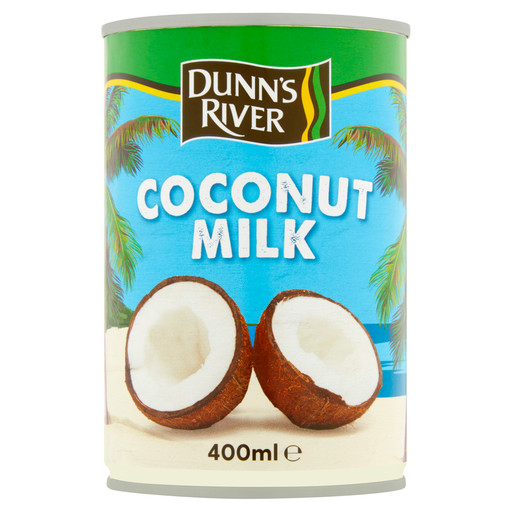 No image available
Consider this 400 ml can for a recipe calling for coconut milk as a cooking ingredient. Check the current pack’s ingredients and allergen statements before serving it to someone with a food allergy.
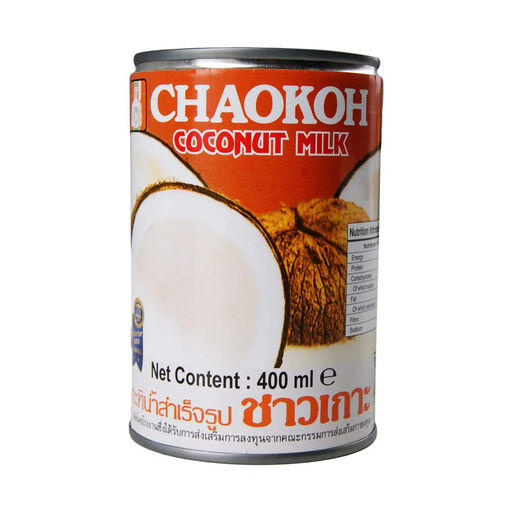 No image available
This 400 ml tin is an option when a sauce calls for canned coconut milk rather than a carton drink. Read the current pack for ingredients and any precautionary allergen wording.
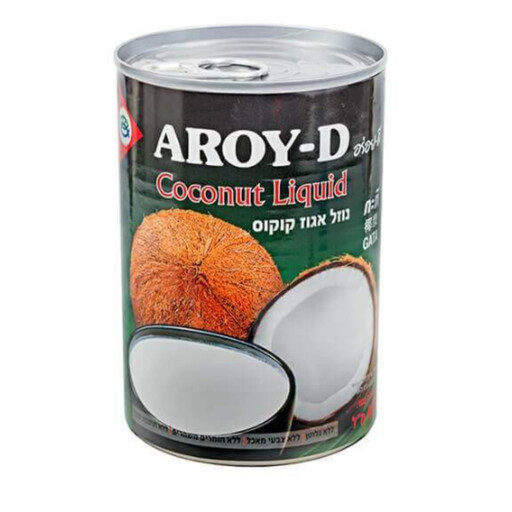 No image available
This 400 ML can is labelled 17% fat for a recipe that calls for canned coconut milk. The Joybuy product information warns that it may contain traces of milk and soy; check the current pack if either allergen is relevant.
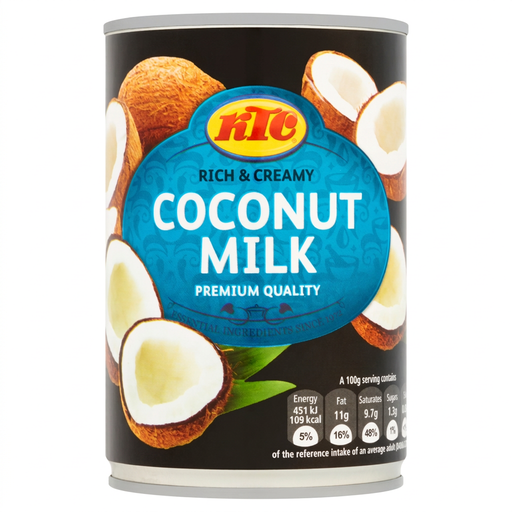 No image available
This 400G coconut milk is an option when the recipe specifies a canned cooking ingredient. Check its current ingredients and precautionary allergen information against everyone’s needs before using it.
 No image available
This 400 ml can is a cooking option whose Joybuy ingredient description lists coconut extract and water. Joybuy advises shaking it before use to blend natural separation; check the current pack for allergen information.
Choose canned coconut milk when the recipe needs coconut to give the sauce body. The cited cooking cans declare 48% to 70% coconut extract, while Tesco lists 9% coconut milk in Koko Unsweetened Alternative Drink. A carton drink makes more sense when a thin liquid is intended.
It can be a cooking choice if you prefer a lighter result, but do not assume the recipe will turn out identically. M&S lists 33% coconut extract and 9.3 g fat per 100 g for its reduced-fat can, versus 60% and 17.3 g per 100 g for its standard can.
No. The Food Standards Agency advises that vegan labelling alone is not a proxy for allergen labelling because cross-contact risks can remain. Check the exact pack’s ingredients, allergen declaration and precautionary statements; the Joybuy information for AROY-D Coconut Milk 17% Fat, for example, warns of possible milk and soy traces.
Yes. Sainsbury’s lists Blue Dragon Coconut Milk as suitable for vegans but says it may contain peanuts and nuts. Read the precautionary wording on the particular pack if those allergens matter to anyone eating.
Follow the instructions on the pack you use and refrigerate it as directed. The cited M&S standard can says to use it within two days of opening, while Sainsbury’s own-label can says three days; those instructions should not be assumed to apply to every product.