What should you check?
Ready-to-eat canned pasta
Consider it when: you want a shelf-stable meal with little preparation and can plan how much of each can to serve.
Trade-off: the pasta and sauce come as one recipe, leaving less control over its ingredients than preparing dry pasta with your own sauce.
Dry pasta multipacks
Consider them when: you want to measure the pasta and choose what goes into the rest of the meal.
Trade-off: dry pasta needs cooking, and choosing your own sauce does not remove the need to count the pasta’s carbohydrate.
For either format, compare similar products per 100g, then use the label to work out the values for the portion you intend to serve.
| Concern | Buying check | Who this matters to |
|---|
| Carbohydrate in your portion |
Read total carbohydrate per 100g and calculate it for the amount you will eat; do not use sugars as a substitute. |
If I count carbohydrate, the figure for my served portion matters more than the pack’s suggested serving. About 42% of consumers put knowing their portion’s total carbohydrate first. |
| Recipe and nutrition |
Compare salt and other declared nutrition values per 100g, then check ingredients and allergens for the specific recipe. |
When choosing between a prepared sauce and one I make myself, I want to know what else is in the meal. For about 33% of consumers, comparing recipe ingredients and nutrition is the primary concern. |
| Pack size and leftovers |
Check the number and weight of cans or packs, plus any instructions for storing opened food. |
If I buy several cans at once, I need portions I can use without leaving unwanted leftovers. Keeping a bulk purchase practical comes first for about 25% of consumers. |
Joybuy pasta multipacks
These multipacks include dry pasta for meals you prepare and canned spaghetti for a quicker meal. Compare each product’s own label and your planned portion rather than assuming the formats have the same nutrition.
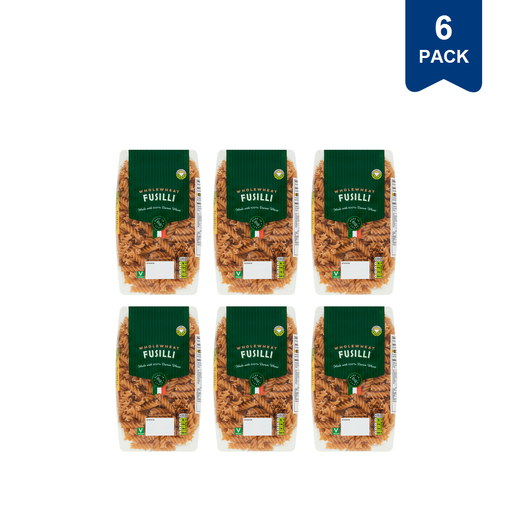 Image unavailable
Morrisons Wholewheat Fusilli, 6 × 500g
A dry-pasta multipack for shoppers who want to measure the pasta and choose their own sauce. The pack contains six 500g packs; check total carbohydrate for the dry amount you intend to cook and allow for the rest of the meal.
View on Joybuy
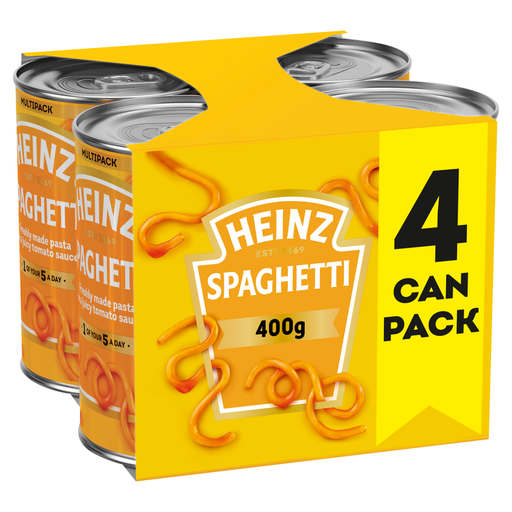 Image unavailable
Heinz Spaghetti in Tomato Sauce, 4 × 400g
A canned-pasta multipack for shoppers prioritising quick preparation. The pack contains four 400g cans; use this product’s nutrition label for the amount you will serve, and check its instructions if you expect to keep leftovers.
View on Joybuy
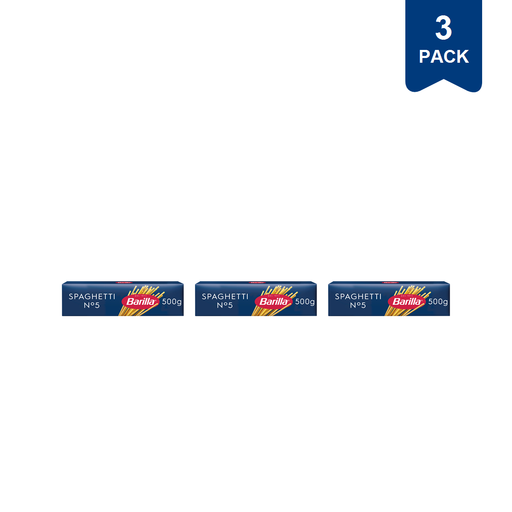 Image unavailable
Barilla Spaghetti, 3 × 500g
A dry-spaghetti multipack for shoppers who prefer to prepare the sauce separately. It contains three 500g packs and requires cooking; calculate carbohydrate from the amount of this spaghetti you plan to use, rather than applying figures from another Barilla shape.
View on Joybuy
Questions about pasta and portions
Does ‘low sugar’ make canned pasta suitable for someone with diabetes?
No: a sugars statement does not tell you the total carbohydrate in the portion. Diabetes UK advises checking total carbohydrate when counting carbs; the portion and any individual meal plan also matter.
Should I compare carbohydrate per 100g or per serving?
Use per 100g to compare similar products, then calculate the carbohydrate in the amount you will actually eat. A manufacturer’s stated serving may not match your portion.
Do people with diabetes need to avoid pasta altogether?
Not necessarily. Diabetes UK explains that the amount of carbohydrate consumed matters; use your individual meal plan when deciding on a portion, rather than treating every pasta product or serving size alike.
How should I store pasta left in an opened can?
Follow the instructions on that can. Sainsbury’s listing for Heinz Spaghetti Bolognese says to transfer unused contents to a suitable covered container, refrigerate them and use them within two days; another product may have different instructions.
Does wholewheat pasta remove the need to check portions?
No. Wholewheat pasta still contains carbohydrate, so check the label for the amount you intend to serve and consider the sauce and other ingredients in the meal.


