Sellers serving a mixed adult crowd
A 70% dark bar gives buyers a high-cocoa choice without making 85% or 90% the only dark option. A separately labelled milk or white chocolate offers a different choice for people who do not want dark chocolate.


For a mixed adult crowd, a 70% dark bar is a starting option; keep 85% or 90% for buyers who specifically want a higher cocoa percentage. Offer white or milk chocolate as a separate choice, not as another kind of dark chocolate. Keep the original packaging available so buyers can check ingredients and allergens, and follow each bar’s storage instructions during the sale.
A 70% dark bar gives buyers a high-cocoa choice without making 85% or 90% the only dark option. A separately labelled milk or white chocolate offers a different choice for people who do not want dark chocolate.
The Lindt Excellence 85% and 90% bars state their cocoa percentages on the product listings. Lindt lists 15g and 7g sugars per 100g respectively for those exact bars; both still need a check of their allergen warnings.
Original packs keep the manufacturer’s ingredient and allergen information with the bars. If the sale is a food business, registration duties may apply; food businesses producing prepacked-for-direct-sale food must also check the applicable labelling rules.
Choose the chocolate type and cocoa level first, then check the current pack for allergens and storage instructions. How the chocolate is sold matters too, particularly if portions are repacked.
| Priority | What to check | Your needs |
|---|---|---|
| Chocolate type and cocoa | Read the chocolate description and declared cocoa percentage on the exact pack. Compare sugars using the same per 100g basis, rather than treating cocoa percentage as a taste score. | I want buyers to recognise the difference between a dark bar and a separate white or milk chocolate option. If they ask for higher-cocoa dark chocolate, I can offer a clearly labelled percentage. |
| Allergen information | Keep the ingredient list and any ‘may contain’ wording accessible. Check each variant: the cited Lindt dark bars carry precautionary allergen warnings. | Someone asking about milk or nuts needs to read the current pack. A higher cocoa percentage, or a vegan-recipe description, does not settle that question. |
| Outdoor storage | Follow each pack’s instructions. The Waitrose & Partners listings for Lindt Excellence 70% and Green & Black’s Organic 70% call for dry storage; the latter also says to protect the bar from heat. | I need somewhere to keep the bars out of heat during transport and display, while following the instructions for the products I actually bring. |
| How food is sold | Establish whether the activity is a food business before trading. If you pack food for direct sale, check whether the prepacked-for-direct-sale rules apply. | If I plan to sell regularly or repackage portions, I need to confirm my obligations rather than assume that a car boot sale or sealed stock creates an exemption. |
Buyers looking for a high-cocoa dark bar would receive a different chocolate type. The cited Galaxy milk bar, for example, declares 25% minimum cocoa solids, unlike the cited 70%–90% dark bars.
Use the chocolate description and cocoa percentage on the actual pack. Present white or milk chocolate as a separate option.
The cited Lindt 70%, 85% and 90% bars carry precautionary allergen warnings. Lindt also states that its cited 70% and 85% vegan-recipe bars are not suitable for people with a milk allergy.
Keep original packs available and ask buyers with allergy concerns to check the current ingredient and allergen information.
The Food Standards Agency says a new food business must register with its local authority at least 28 days before trading or food operations start. In England, Wales and Northern Ireland, a food business producing prepacked-for-direct-sale food must label it with the food name and a full ingredients list that emphasises allergenic ingredients.
Check with the relevant local authority whether your activity is a food business and whether your proposed portions fall under those labelling rules before you pack or sell them.
Repacking can mean preparing and checking a separate label for each applicable product, rather than retaining its original ingredient information.
The cited Waitrose & Partners listings instruct shoppers to store the bars in a dry place; its Green & Black’s 70% listing also says to protect the product from heat.
Plan transport and display around the storage instructions on each pack, with shade available at the stall.
Lindt Excellence has cited UK 100g dark bars labelled 70%, 85% and 90% cocoa.
Cadbury identifies Bournville Classic as a 100g dark chocolate bar and describes Darkmilk as combining cocoa flavour with a creamy character.
The cited Galaxy Gift 360g bar is milk chocolate, so it represents a separate non-dark option.
These dark bars cover cocoa levels from 70% to 90% for different buyer preferences at a car boot sale. Check the current pack before selling, particularly for allergens and storage instructions.
 No image available
A 70% dark bar for a stall offering a clearly labelled high-cocoa option.
The 90g product information says to store it in a dry place and protect it from heat. Check the current pack for its milk and nut precautionary warnings.
 No image available
This 72% dark bar provides a labelled cocoa level close to the 70% option without assuming it will taste the same.
Check the current pack for its soya ingredient and precautionary allergen information. The product information calls for cool, dry storage away from direct sunlight.
 No image available
Consider this 85% dark bar when buyers specifically ask for a higher cocoa percentage rather than a general dark option.
Its product information calls for dry storage and protection from heat. Check the current pack for milk and nut precautionary warnings.
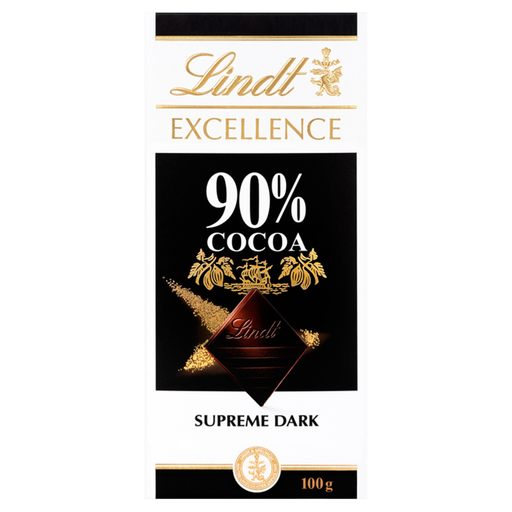 No image available
This 90% dark bar is a targeted choice for buyers asking for a very high cocoa percentage.
The 100g product information calls for cool, dry storage. Check the current pack for precautionary warnings covering nuts, milk and soya.
No: use the chocolate type stated on the product’s pack. England’s Cocoa and Chocolate Products Regulations set out reserved chocolate descriptions, while the cited Lindt bars are labelled dark chocolate and the cited Galaxy bar is labelled milk chocolate. If you produce or relabel chocolate yourself, check the rules applicable where you sell it.
A labelled 70% bar is a reasonable starting dark option for a mixed adult crowd, rather than making 85% or 90% the only choice. That is a stocking judgement, not a taste ranking: buyers seeking a higher cocoa percentage may prefer a separate 85% or 90% option, while others may want white or milk chocolate instead.
No. The cited Lindt 70%, 85% and 90% bars carry precautionary allergen warnings, and Lindt says its cited 70% and 85% vegan-recipe bars are not suitable for people with a milk allergy. Check the current pack for the exact bar rather than relying on its cocoa percentage.
If your activity is a food business, the Food Standards Agency says you must register with your local authority at least 28 days before trading or food operations start. Whether your particular sale is a food business depends on its circumstances; confirm this with the relevant local authority rather than assuming sealed stock is exempt.
Check whether the portions count as prepacked for direct sale. The Food Standards Agency says that, in England, Wales and Northern Ireland, food businesses producing this type of food must label it with the food name and a full ingredients list with allergenic ingredients emphasised. Keeping bars in their original packs preserves the manufacturer’s information, but does not by itself settle whether your selling activity is a food business.