Car boot sellers serving several visitors
A shareable bottle can provide several servings, provided you have a way to keep it cool and follow its instructions after opening.


Choose a 2-litre no-added-sugar cloudy lemonade when you expect to serve several people soon and can refrigerate the bottle after opening. For uncertain turnout, a smaller bottle or portioned pack may be easier to manage, but check the drink style: some zero-sugar citrus options are lemon-lime drinks or lemon soda rather than conventional lemonade. If you plan to sell drinks, ask the local authority whether food-business registration applies to your activity.
A shareable bottle can provide several servings, provided you have a way to keep it cool and follow its instructions after opening.
The claim on the front of a bottle does not replace its nutrition and ingredient labels. Compare sugars per serving and check which sweeteners the drink contains.
Selling sealed drinks may raise different questions from sharing refreshments personally. Check whether the activity requires food-business registration and keep the original packaging available for ingredient enquiries.
Start with the drink visitors expect, then match the pack to likely demand and your arrangements for keeping it cool.
| Priority | What to check | Your needs |
|---|---|---|
| Drink style | Check whether the label says cloudy lemonade, clear diet lemonade, pink lemonade, lemon-lime drink or lemon soda. Compare the named flavour before treating them as substitutes. | I want people expecting lemonade to know what they are being offered; a lemon-lime drink may be a different choice. |
| Sugars | Read the sugars figure on the nutrition panel and its serving basis. Tesco Groceries and Sainsbury's each list 0.6 g sugars per 250 ml for their named no-added-sugar cloudy lemonades; the Tesco Groceries listings for R.White's Diet Lemonade and Sprite Zero Sugar state 0 g per 250 ml. | A no-added-sugar claim matters to me, but I also want to see the actual sugars figure for the drink I buy. |
| Ingredients | Check sweeteners and any ingredient warnings on the exact pack. Tesco Groceries identifies a phenylalanine warning for R.White's Diet Lemonade and Sprite Zero Sugar; the Sainsbury's cloudy lemonade information identifies sulphites in its lemon ingredients. | If someone asks about an ingredient, I need the original label to give them the product information rather than guessing. |
| Pack and storage | Match bottle size or portioned packs to expected demand. Check how the drinks should be stored before serving and what the label requires after opening; Tesco, Sainsbury's and M&S instruct users to refrigerate their named lemonades and consume them within three days of opening. | Turnout may be uneven, so I would rather open a large bottle only when there are enough people to share it. |
| Selling drinks | Before selling, ask the local authority for the event location whether your activity needs food-business registration. GOV.UK guidance covers businesses selling food or drink from temporary premises; for activities requiring registration in England, Wales or Northern Ireland, it specifies registration at least 28 days before trading. | I need to know which rules apply to my particular sale, rather than assuming that an occasional stall is automatically exempt. |
Cloudy lemonade, clear diet lemonade and lemon-lime drinks have different flavour descriptions and ingredient lists. Sprite Zero Sugar, for example, is described as lemon-lime.
Read the product name and current label before substituting one style for another.
An opened bottle needs handling beyond the sale itself. Tesco, Sainsbury's and M&S tell users to refrigerate their named lemonades and consume them within three days of opening.
Keep drinks cool, open bottles as needed and consider a smaller or portioned pack if demand is uncertain.
An unfinished opened bottle may leave drink you cannot use as planned.
The Tesco Groceries listings examined for R.White's Diet Lemonade and Sprite Zero Sugar marked those products out of stock. Availability can differ by shop and location.
Check availability where you intend to buy and identify an acceptable alternative drink style beforehand.
GOV.UK food-business guidance includes temporary stalls. Its event guidance says a local authority may decide registration is unnecessary for very limited and infrequent food activity; that is not an automatic exemption.
Ask the authority for the sale location before selling. Where registration applies in England, Wales or Northern Ireland, GOV.UK specifies at least 28 days before trading. Retain packaging so customers can check ingredients.
These named drinks illustrate differences in bottle size, flavour and labelling; check the current pack for the product you choose.
Tesco No Added Sugar Cloudy Lemonade is a cloudy lemonade in a 2-litre bottle.
Sainsbury's Cloudy Lemonade No Added Sugar comes in a 2-litre bottle; its listing states lemon and other fruit juice content.
R.White's Diet Lemonade is a clear lemon-flavour option in a 2-litre bottle.
Sprite Zero Sugar is a lemon-lime fizzy drink rather than conventional lemonade.
M&S Diet Cloudy Lemonade comes in a 1-litre bottle, which may suit a smaller drinks selection.
These portioned citrus-drink packs include a pink lemonade and lemon-lime or lemon soda alternatives. Check the flavour and unit packaging before treating any pack as a substitute for a shareable bottle of cloudy lemonade.
 No image available
The 24 × 330 ml pack gives you a stated quantity for planning several servings. The drink is described as pink lemonade; check that the flavour suits your sale and confirm the individual container format before planning sealed portions.
 No image available
This 24-pack suits a plan based on individual 330 ml portions. It is a zero-sugar lemon-lime drink, not conventional lemonade, so check that the flavour fits what you intend to offer.
 No image available
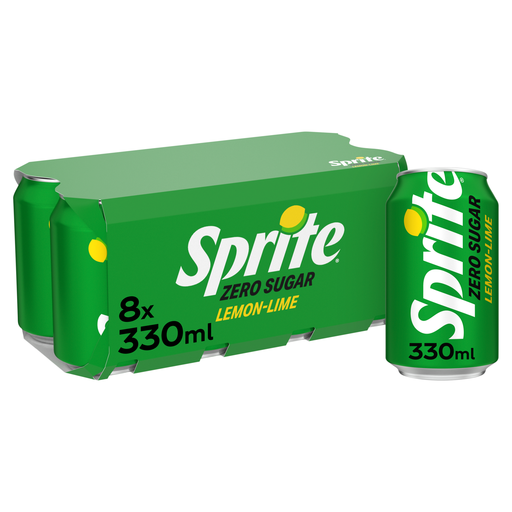
The 8 × 330 ml pack is an option when you want fewer portions than a larger multipack. Sprite is a lemon-lime drink rather than conventional lemonade; check the individual container format and the current nutrition panel if energy content matters.
 No image available
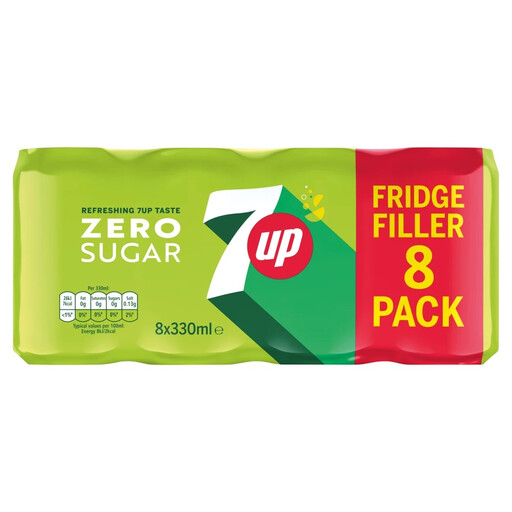
This eight-can pack provides 330 ml portions for a smaller planned drinks selection. It is a zero-sugar lemon-lime alternative, not conventional lemonade; use the current pack label if you need to compare energy information.
 No image available
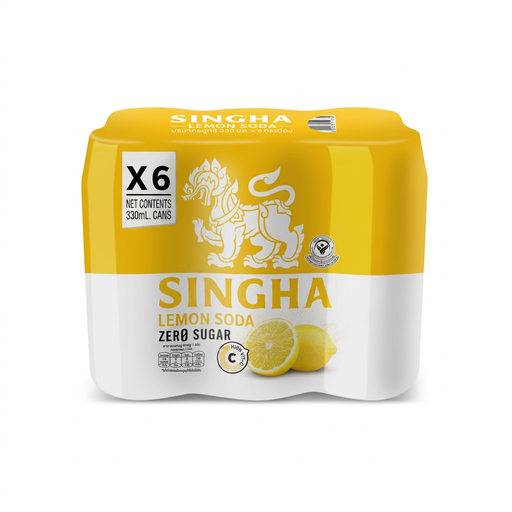
Six 330 ml cans provide portioned servings when lemon soda suits the refreshments you plan to offer. This is lemon soda rather than conventional lemonade; check the current nutrition panel if energy content is part of your decision.
No. Read the sugars figure on the nutrition panel. Tesco Groceries and Sainsbury's each list 0.6 g sugars per 250 ml for their named no-added-sugar cloudy lemonades, while the checked Tesco Groceries listings for R.White's Diet Lemonade and Sprite Zero Sugar state 0 g per 250 ml.
A 2-litre bottle suits several servings when you can keep it cool and refrigerate it after opening; the named Tesco and Sainsbury's bottles each describe eight 250 ml servings. If turnout is uncertain, consider a smaller bottle or portioned pack, and check whether its drink style and individual containers meet your needs.
Follow the instructions on the exact bottle and refrigerate it where directed. Tesco, Sainsbury's and M&S instruct users to refrigerate their named lemonades and consume them within three days after opening, so plan how you will handle any bottle left open after the sale.
Ask the local authority for the sale location whether your particular activity requires food-business registration. GOV.UK guidance includes businesses selling drinks from temporary stalls; its event guidance says an authority may decide registration is unnecessary for very limited and infrequent activity. Where registration applies in England, Wales or Northern Ireland, GOV.UK specifies registration at least 28 days before trading.
Yes, keep it available so people can check the ingredients of the drink being served. GOV.UK event guidance recommends retaining packaging for ingredient checks by people with food hypersensitivities; this is useful when products have different sweeteners or ingredient warnings.