Occasional car boot sellers
Start with your existing brewer and the drinks you plan to make. A blend intended for espresso alone may not answer the question if you will serve filter or cafetière coffee.


Choose whole coffee beans for car boot sale refreshments if you can grind them to suit the brewer you will use. A smoother blend is a starting point for a mixed black-coffee menu; a more pronounced espresso blend makes more sense when espresso or milk drinks are central. Match the bag size to likely demand and the storage instructions you can follow after opening it.
Start with your existing brewer and the drinks you plan to make. A blend intended for espresso alone may not answer the question if you will serve filter or cafetière coffee.
A larger bag may mean fewer packs to open during service. Plan how you will reseal and store any beans left afterwards before choosing the pack size.
Look for beans intended for your espresso setup, then test the drink recipes you will serve. A pronounced espresso profile need not be the profile you want for every black coffee.
Settle the brewing method and likely number of drinks first; those decisions make flavour and pack-size choices easier to judge.
| Priority | What to check | Your needs |
|---|---|---|
| Brewing setup | Check that you can grind whole beans at the stall and that the grind suits your brewer. Waitrose & Partners specifies fine grinding for espresso, medium for filter and coarse for cafetière for its Espresso Beans. | I want to make the drinks on my menu with the equipment I can bring, rather than choose a bean before deciding how to brew it. |
| Flavour direction | Compare the stated profile with the drinks you will serve, and test the recipe. Lavazza UK positions Espresso Barista Gran Crema for espresso; Taylors of Harrogate describes Rich Italian as rich and smooth. | If visitors will order different black coffees, I want a profile that works in those recipes. If espresso is the main offer, I can choose specifically for that drink. |
| Pack and storage | Estimate how many drinks you will make and read the chosen pack’s instructions for opened beans. Taylors of Harrogate lists Rich Italian in 200 g, 454 g and 1 kg packs. | For a busy stall, I would rather not interrupt service to open several bags. With uncertain demand, I want a pack I can realistically use and store afterwards. |
| Decaf service | Choose beans explicitly labelled decaffeinated; a milder flavour description does not identify a decaf product. illy UK lists decaffeinated whole beans alongside its other roasts. | I need a separate decaf option only if I can keep the beans distinct and manage grinding and brewing without mix-ups. |
Espresso, filter and cafetière coffee call for different grinds. One setting is not a substitute for checking what each brewer needs.
Choose your brewer first, make sure a grinder can be used at the stall and test the beans and setting before the event.
Grinding on site also means allowing for the grinder’s power needs and cleaning time.
An espresso-oriented profile may fit the espresso recipe you intend to make without being the flavour you want for black filter coffee.
Test the blend in the actual drinks on your menu, including any drinks served with milk, rather than relying on the intensity description alone.
Instructions for opened beans differ by product. Waitrose & Partners advises using its Ueshima House Blend within two weeks of opening for the intended taste; Marks & Spencer gives different refrigerated and frozen storage periods for its Espresso Blend.
Choose a bag size around expected demand, reseal remaining beans and follow the instructions on the product you buy.
If selling refreshments amounts to running a food business, the Food Standards Agency says a new food business must register with its local authority at least 28 days before trading or food operations begin.
Check with the relevant local authority whether your planned activity requires registration before you trade. The Food Standards Agency says a mobile food business should use the place where it is normally stored overnight as its establishment location.
Lavazza UK identifies Espresso Barista Gran Crema as an Arabica-and-Robusta blend with an intensity of 7/10, intended for espresso.
illy UK lists whole-bean Classico, Intenso and decaffeinated options; its range includes 250 g and 500 g Classico packs.
Taylors of Harrogate describes Rich Italian beans as rich and smooth and lists 200 g, 454 g and 1 kg packs.
Union Coffee’s collection identifies espresso and cafetière options, a Decaf Blend and Foundation Blend, which it calls its darkest roast.
Marks & Spencer describes its Espresso Blend Coffee Beans as dark and full-bodied and gives instructions for storing the product after opening.
Waitrose & Partners lists 1 kg Espresso Beans 100% Arabica with grinding guidance for espresso, filter and cafetière coffee.
These whole-bean options cover different pack sizes and named blend styles for a car boot sale coffee setup. Check each one against your brewer, planned drinks and expected demand.
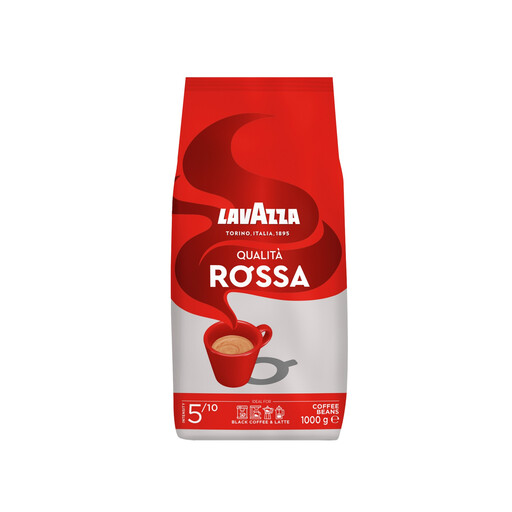 Image unavailable
Consider this 1000g bag when you expect to serve enough coffee to use a larger pack. Confirm the grind for your brewer and how you will store beans left after the event.
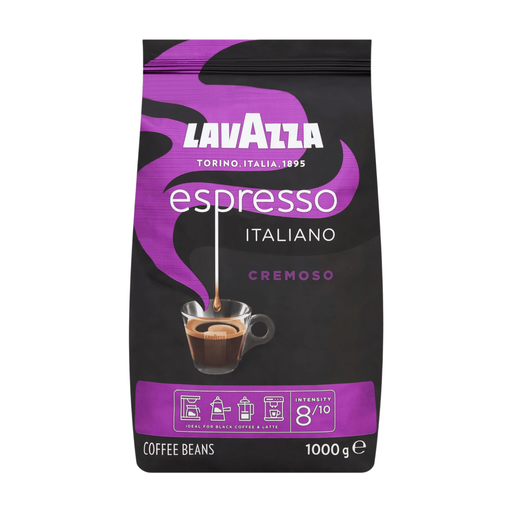 Image unavailable
The 1kg pack is worth considering for an espresso-led menu with substantial expected demand. Test its flavour in the drinks you will serve and check the pack’s storage instructions.
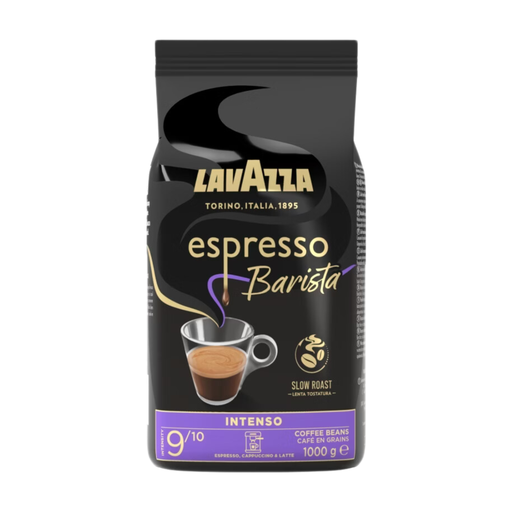 Image unavailable
For a menu centred on a more pronounced coffee profile, test this 1kg whole-bean option in the intended recipe. Check that your grinder suits the brewer and that you can store the opened bag as directed.
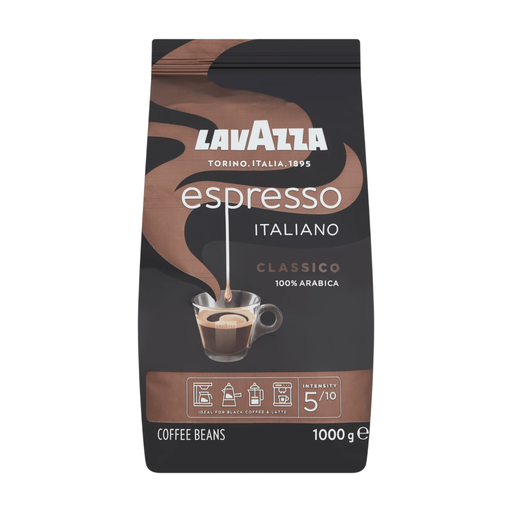 Image unavailable
This 1kg whole-bean option may suit a stall planning a substantial amount of coffee. Check the grind and recipe with your actual brewer rather than relying on the product name to settle brewing compatibility.
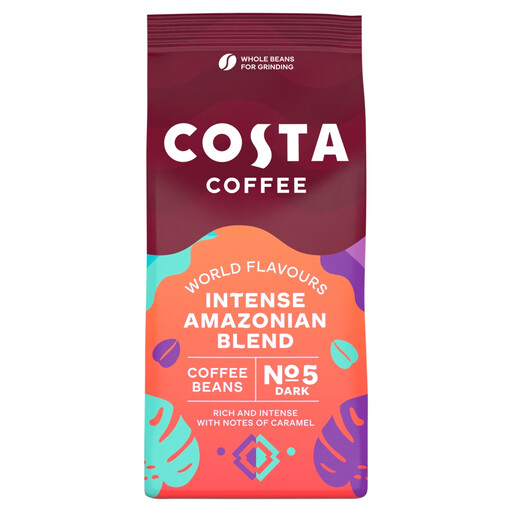 Image unavailable
The 200g pack is an option when demand is limited or uncertain and you want to try a dark-profile blend. Test it in your planned drinks and follow the pack’s instructions for any beans left over.
Yes. Whole beans must be ground before brewing, and the setting needs to suit the brewer. Waitrose & Partners specifies a fine grind for espresso, medium for filter and coarse for cafetière for its Espresso Beans; check your own equipment’s instructions too.
Choose according to the drinks you will actually make: a smoother profile is a starting point for mixed black-coffee orders, while an espresso-oriented blend fits a menu built around espresso. Test either choice in the intended recipes rather than treating intensity as a measure of overall quality.
Follow the instructions for the particular product. Waitrose & Partners advises airtight storage and use within two weeks of opening for its Ueshima House Blend; Marks & Spencer gives refrigerator and freezer instructions with different periods for its Espresso Blend. Do not transfer one product’s storage period to another bag.
If your activity is a food business, the Food Standards Agency says you must register with the local authority at least 28 days before trading or food operations begin. Ask the relevant local authority whether your particular activity requires registration; for a mobile food business, the Agency says to use the place where it is normally stored overnight as its establishment location.
No. Choose beans explicitly labelled decaffeinated if you intend to offer decaf. illy UK, for example, lists a dedicated decaffeinated whole-bean option separately from its other named roasts.