First-time refreshment sellers
If you have hot water but little brewing equipment, an instant decaf with clear per-cup instructions gives you a straightforward way to prepare drinks during a queue.


For a car boot sale serving cups from limited equipment, instant decaf is a practical starting point: the listed Nescafé blends can be measured into individual cups and prepared with hot water. Choose a smooth or fuller-flavoured blend according to the cup you want to offer; consider ground coffee or coffee bags if you can manage brewing and clearing up without delaying service. If you add milk or other extras, check the ingredients of each finished drink and arrange accurate allergen information.
The right decaf depends on how you will prepare cups, who you expect to serve and what you plan to add to each drink.
If you have hot water but little brewing equipment, an instant decaf with clear per-cup instructions gives you a straightforward way to prepare drinks during a queue.
Decaf ranges include manufacturer-described smooth, balanced and fuller-flavoured blends. Choose a house style deliberately rather than treating every decaf as the same cup.
Plan how you will check ingredients and communicate allergens for the finished drinks. If you are selling refreshments as a food business, check registration requirements with your local authority.
Start with your serving method, then choose a flavour style and work out how much coffee your planned cups will use.
| Priority | What to check | Your needs |
|---|---|---|
| Serving method | Check whether the coffee needs only hot water or requires brewing equipment. Nescafé specifies one teaspoon and 200 ml of hot water for both Gold Blend Decaf and Original Decaf; use each pack’s own instructions when preparing it. | I need to make individual cups while a queue forms, with somewhere suitable to provide hot water. |
| Flavour style | Nescafé describes Gold Blend Decaf as a medium-roast Arabica-and-Robusta blend and Original Decaf as fuller and bolder. Kenco describes its medium-roast Decaf as balanced and rounded; its intensity rating of 7 is Kenco’s own scale, not a direct comparison with other brands. | For a mixed crowd, I want to settle on a consistent house cup; if regular customers ask for a fuller coffee flavour, I can consider a different blend. |
| Event quantities | Compare jar size with the stated dose and mug yield for that exact pack. Sainsbury’s lists 111 mugs for Nescafé Gold Blend Decaf 190 g at 1.8 g per 200 ml mug, and 55 mugs for Nescafé Original Decaf 100 g on the same stated basis. | I need enough coffee for the cups I expect to serve, without applying a smaller jar’s mug count to a different pack size. |
| Finished drinks | Check the current packaging for every coffee and addition, including milk, creamers and syrups. The Food Standards Agency advises food businesses to manage allergens and provide appropriate information for non-prepacked food and drink. | If I offer milk or other extras, I need to explain the ingredients in each drink variation, not just the coffee granules. |
Ground coffee and coffee bags add brewing and clearing-up steps. Those steps matter when one person is taking orders and preparing drinks at the same time.
Use instant decaf for a simple hot-water setup. Trial a brewed option if you have the equipment, time and waste-handling arrangements to serve it consistently.
Nescafé positions Gold Blend Decaf as smooth and balanced and Original Decaf as fuller and bolder; Kenco describes its Decaf as balanced and rounded. These are brand descriptions, not independent taste-test results.
Choose the style you intend to serve, then try it at your planned cup size and with any milk you will offer.
The ingredient information for coffee granules does not describe a finished cup containing milk or other additions.
Check every ingredient you use, keep its packaging available for reference and make the allergen-information process clear before customers order.
These ranges illustrate different decaf formats and flavour descriptions; a brand’s description does not establish how every visitor will find the cup.
Its Gold Blend Decaf and Original Decaf give instant-coffee sellers two differently described flavour styles.
Kenco describes its Decaf instant coffee as medium roast, balanced and rounded.
Its Decaffé Roast Ground Coffee provides a brewed alternative to instant granules.
Tesco lists own-label decaffeinated instant coffees, including Classic and Gold varieties.
Its decaf range includes own-label instant granules and brewed-format coffee.
M&S describes its Gold Decaf Instant Coffee as a medium-roast, freeze-dried option.
These decaf coffee packs offer choices to consider for car boot sale refreshments. Check each pack’s preparation instructions against the drinks you intend to serve, particularly if you need a hot-water-only routine.
 No image available
For measured, individual cups, Nescafé specifies one teaspoon with 200 ml of hot water for Gold Blend Decaf. It describes the blend as medium roast; Sainsbury’s lists 111 mugs for the matching 190 g jar at its stated 1.8 g-per-mug preparation basis.
 No image available
An instant option for serving with hot water: Joybuy’s product instructions say to use one to two teaspoons per cup. Kenco describes its Decaf as a medium-roast, balanced blend. Check your chosen dose on the pack before estimating how many cups the 100 g jar will make.
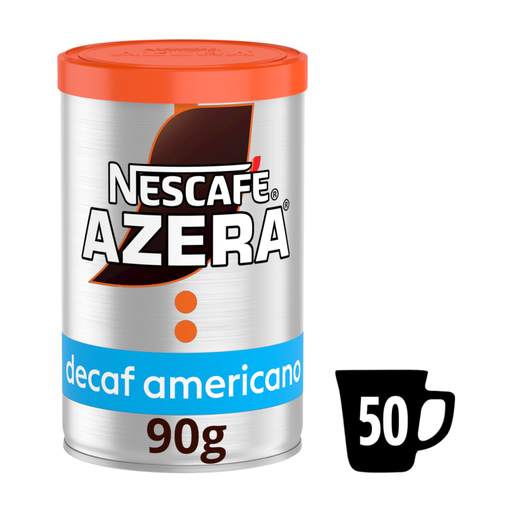 No image available
A 90 g Decaf Americano option if that is the coffee style you want to offer. Check the pack’s preparation instructions and serving quantity before planning cups for a hot-drink stall.
 No image available
Consider this 300 g Original Decaff pack if you want to assess Nescafé’s fuller-flavoured style for your stall. Check this pack’s own dose and serving instructions: the mug count listed for the separate 100 g Original Decaf jar should not be applied to it.
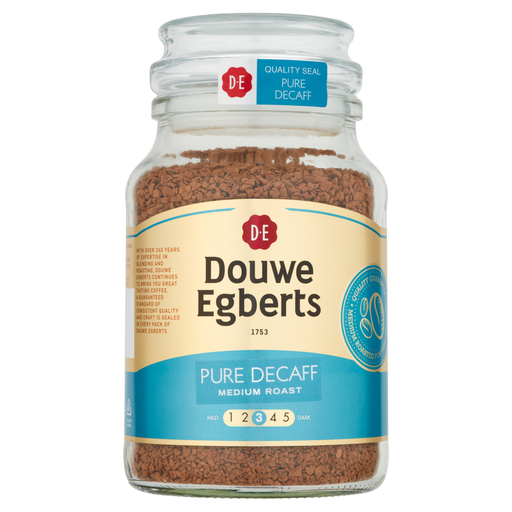 No image available
A 190 g instant decaf option to consider if your stall may offer chilled coffee. For hot cups, check this pack’s hot-water instructions and dose before including it in your serving plan.
Yes, if you have a suitable hot-water setup and need to prepare cups individually. Nescafé’s Gold Blend Decaf and Original Decaf have stated one-teaspoon, 200 ml hot-water instructions; ground coffee adds brewing and grounds-disposal steps.
Describe it as decaffeinated rather than promising zero caffeine unless the exact product label supports that wording. Check the pack you serve if a customer asks about its contents.
If your activity is a food business, GOV.UK says registration with the local authority applies to food and drink sellers, including those operating from temporary stalls. Whether your particular occasional sale qualifies depends on the activity, so ask the relevant local authority before trading.
Account for the milk and every other addition in the finished, non-prepacked drink. The Food Standards Agency advises food businesses to manage allergens and communicate the relevant information; keep current ingredient packaging available and tell customers how they can ask about each drink.
Follow the storage directions on the exact pack you buy. M&S, for example, directs customers to keep its Gold Decaf Instant Coffee in a cool, dry place; keep jars closed between servings and protect them from contamination at the stall.