People sharing drinks from a cool box
A larger smoothie bottle can suit a small group if you can transport it chilled, provide cups and follow its storage instructions after opening.


Choose a fruit smoothie if you want a fruit-and-purée drink and can follow the pack’s chilled-storage instructions. If fizz matters more, look for a drink explicitly labelled sparkling or carbonated; supermarket listings place these drinks separately from smoothies, and individual portions can be simpler to serve at a car boot sale.
A larger smoothie bottle can suit a small group if you can transport it chilled, provide cups and follow its storage instructions after opening.
Choose an explicitly sparkling fruit juice or fruit drink rather than assuming a smoothie is carbonated. Individual portions avoid pouring from a shared bottle.
If drinks are part of trading rather than private refreshments, check whether the activity is a food business before the event. GOV.UK says registration can apply to food and drink businesses operating from temporary stalls; the Food Standards Agency sets out allergen-information duties for food business operators.
Choose when: You want a fruit-and-purée drink to share and can meet the exact pack’s chilled-storage instructions.
Trade-off: A shared bottle needs cups, and a smoothie label does not establish that the drink is fizzy.
Choose when: Carbonation is the priority, particularly if individual portions would make serving easier.
Trade-off: Sparkling juices and soft drinks have different recipes from fruit-and-purée smoothies; compare the exact packs.
| Priority | What to check | Your needs |
|---|---|---|
| Drink type | Look for “sparkling” or “carbonated” when fizz is essential. Check whether the ingredients describe a juice, fruit drink or fruit-and-purée smoothie. | I’d rather choose a clearly fizzy drink than arrive with a still smoothie when guests expect bubbles. |
| Storage and serving | Read the exact pack’s storage and after-opening instructions. Compare individual portions with a shared bottle, including whether you will need cups. | If I’m sharing a smoothie, I need a way to keep it chilled and serve it. Individual drinks would avoid pouring. |
| Ingredients | Compare ingredient lists, declared allergens and nutrition per 100ml or per serving on the exact products; a fruit-themed name does not describe the full recipe. | I want to know what is in each drink before offering it to other people. |
| Selling drinks | Establish whether the stall activity is a food business and check the applicable registration and allergen-information requirements with the relevant authority. | If I’m selling drinks rather than bringing them for private use, I need to sort out the trading requirements before the event. |
Tesco, Sainsbury’s and Waitrose list smoothies separately from sparkling drinks. A fruit flavour or purée ingredient does not establish carbonation.
If bubbles are essential, check the exact product for explicit “sparkling” or “carbonated” wording.
Chilled smoothie listings and individual pack instructions make storage a practical consideration when refreshments will be outdoors.
Check the pack before buying and take only what you can store and serve according to its instructions.
GOV.UK says food-business registration can apply when food or drink is sold, stored, handled or distributed from a temporary stall.
Confirm whether your activity requires registration with the relevant local authority before trading.
A sparkling juice and a smoothie can contain different combinations of juice, purée and other ingredients, even when their front labels mention fruit.
Read the exact pack’s ingredients, allergen information, portion size and nutrition panel before deciding what to offer.
These ranges help distinguish smoothies from sparkling drinks; a brand’s inclusion here does not mean its smoothies are carbonated.
A fruit-and-vegetable smoothie range listed by UK supermarkets.
An own-label smoothie range alongside branded smoothie listings.
An own-label chilled smoothie range that includes 750ml bottles.
A Foodhall smoothie range with fruit-juice and purée blends.
A retailer listing smoothies and sparkling juice drinks in separate ranges.
A branded super-smoothie range appearing in supermarket smoothie listings.
These fruit juices and soft drinks are options for a car boot sale where fizz takes priority over smoothie texture. Compare portion formats and the exact packs’ ingredients and storage instructions.
 No image available
For individual servings when fizz matters more than smoothie texture. The pack contains six 250ml portions; check the label’s storage and nutrition information before serving.
 No image available
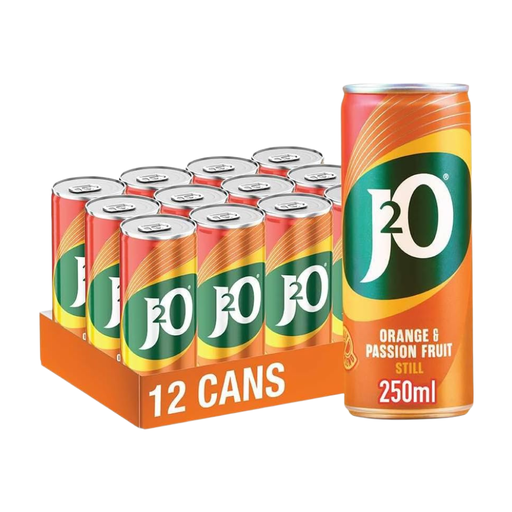
The twelve 250ml portions suit serving drinks individually. If carbonation is essential, confirm it on the exact pack and read its ingredients rather than relying on the fruit flavours.
 No image available
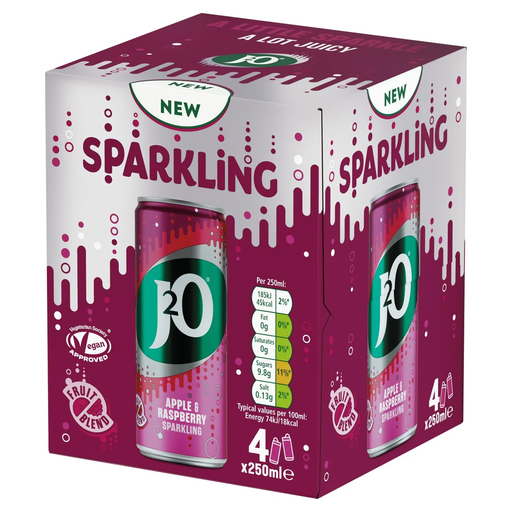
A smaller sparkling-drink pack for serving people individually: it contains four 250ml portions. This is a soft drink rather than a fruit-and-purée smoothie; check the exact ingredients if that distinction matters.
 No image available
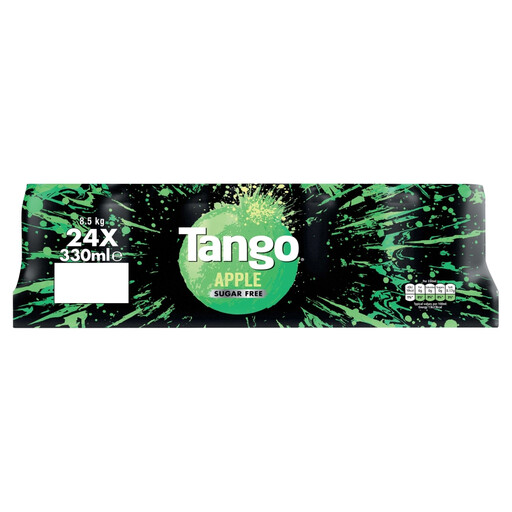
The twenty-four 330ml cans provide individual servings for a larger group. This is an apple-flavoured soft drink, not a smoothie; check the exact pack’s ingredients and nutrition information.
 No image available
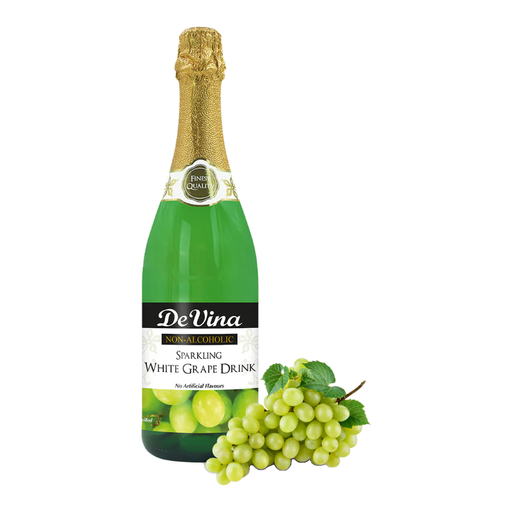
A sparkling drink in a 750ml bottle for shared serving, so plan for cups and follow the after-opening instructions. Check the exact pack’s allergen declaration before offering it to guests.
No: a sparkling fruit drink is not necessarily a fruit-and-purée smoothie. Tesco, Sainsbury’s, M&S and Waitrose list smoothies separately from sparkling drinks; check an exact pack for carbonation rather than assuming either category name settles it.
Individual cans or bottles avoid pouring when people serve themselves. A larger smoothie bottle can work for sharing if you have cups and can follow its chilled-storage and after-opening instructions.
Check whether your activity is a food business before trading. GOV.UK says registration applies to food and drink businesses operating from temporary premises such as stalls; the relevant local authority can advise on your circumstances.
The Food Standards Agency says retail and catering food business operators must provide allergen information for both prepacked and non-prepacked food and drink. Use the exact product and supplier information, and check the applicable labelling requirements for how you will sell each drink.