
24/7 Customer Support

Free returns

Same-day & Next-day Delivery

Quality Guaranteed

Unlock Your Welcome Offers: FREE Delivery | Up to 80% OFF | Free 30-day JoyPlus trial
Download the APP
Keeping a car presentable in the UK means dealing with rain film, road salt, traffic grime, tree sap and occasional tar spots. The right car care cleaning products can make routine maintenance easier, but selecting the wrong formula may leave streaks, marks or an unsuitable finish.
This guide explains what to check before buying, then matches three 500ml products to different ownership and cleaning needs.
A product designed for painted bodywork may not be appropriate for rubber, glass, unpainted plastic or a warm engine. Marketing descriptions often use broad terms such as “multi-purpose”, but the label’s approved surfaces and application instructions remain more important.
Check whether the product is intended for:
A car exterior cleaner removes surface dirt, while a wax-enriched detailer adds a temporary protective finish. A car paint restorer or scratch remover may be intended to improve the appearance of oxidation, marks or ingrained grime through more active cleaning or polishing.
These functions are not interchangeable. A wax spray will not correct deep paint damage, and a paint restorer should not automatically be treated as a routine wash product.
A compact 500ml trigger bottle is convenient for home storage, boot kits and occasional use. However, heavy contamination may require several applications. Engine degreasing, in particular, can use more product than a quick exterior wipe.
Compare the bottle size with your intended frequency of use, and consider whether the formula requires additional water, cloths, brushes or rinsing.
Look for precise wording about suitable materials. The Turtle Wax Clean & Shine Total Exterior Detailer is described for clear coats and metallic paintwork, with a wax-enriched finish. By contrast, CarPlan Engine Cleaner & Degreaser is formulated for vehicle engines, including aluminium surfaces, and is designed to be rinsed with clean water.
For painted surfaces, always work on a cool panel away from direct sunlight. Test a small, concealed area first, particularly on older, repainted or faded bodywork.
A detailer is generally selected for light dirt and finishing, whereas a paint restorer is aimed at more stubborn surface issues. CarPlan T-Cut Original is described as helping address oxidation, scratches, tar spots, baked-on insects and ingrained road grime.
That does not mean every scratch will disappear. Deep scratches that catch a fingernail may extend beyond the top paint layer and need professional bodywork rather than a consumer scratch remover. Use moderate pressure and follow the product directions instead of repeatedly rubbing one area.
An automotive cleaning spray is only convenient when its application method suits your setup. Check whether it is:
For engine degreasing, allow the product to work for the stated time, keep it away from sensitive electrical components where the instructions advise, and avoid working on hot machinery. Wear suitable gloves, provide ventilation and follow the label’s storage and disposal guidance.
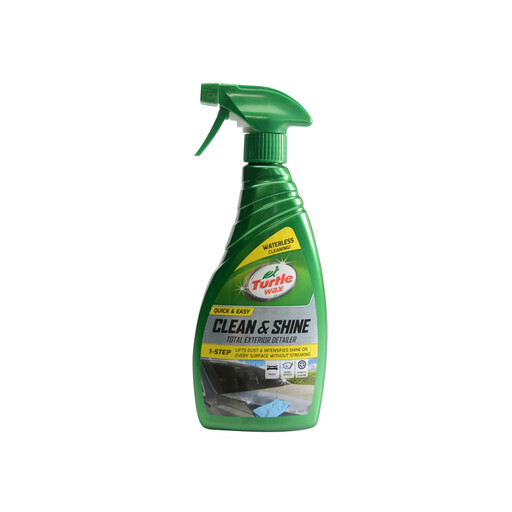
Why This Fits Their Persona: A practical option for drivers who want a simple maintenance spray for light exterior dirt without setting up a full bucket wash every time.
Its description clearly identifies a waterless, light-dirt application rather than presenting it as a replacement for rinsing heavily soiled panels. Use plenty of clean microfibre cloths and avoid wiping loose grit across paintwork.
2-in-1 cleaning and waxing formula; 500ml trigger bottle; described as suitable for clear coats and metallic paintwork.
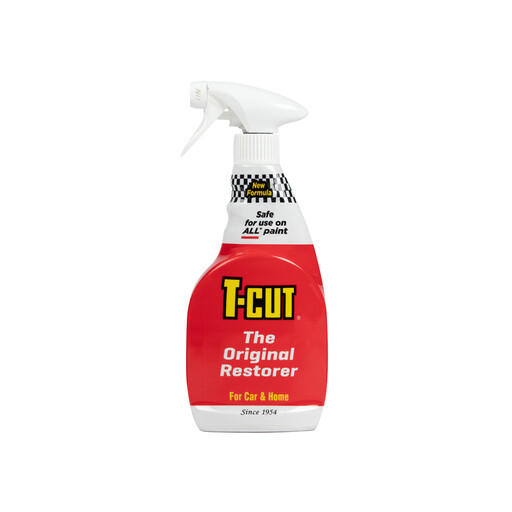
Why This Fits Their Persona: Suitable for owners who are prepared to spend more time addressing faded-looking paint, road film and isolated cosmetic marks on cars, caravans, bikes or boats.
It is positioned as a paint restorer rather than a general-purpose wax spray. Buyers can select it for a specific correction task and avoid paying for protection features they may not need.
500ml trigger format; contains no silicone according to the supplied product information; suitable for several painted surfaces.
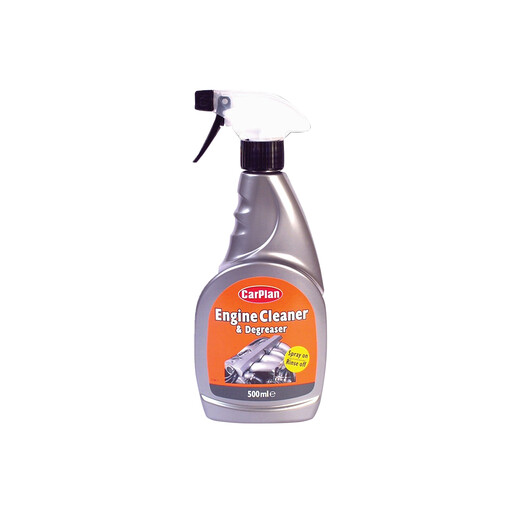
Why This Fits Their Persona: Designed for motorists, commercial vehicle owners and marine users who need to tackle oil, grease and grime around engines or other demanding cleaning jobs.
The instructions specify a penetration period of two minutes followed by rinsing. This gives buyers a clear process instead of relying on vague promises about instant grease removal.
Water-washable formula; intended for oil, grease, dirt and grime; also described for tar spots and paint-brush cleaning.
Start with the least aggressive product that matches the problem. For light dust or road film, a waterless detailer may be suitable when used with clean cloths. For oxidised or marked paint, work in small sections and remove residue before it dries.
For an engine degreaser:
Never mix different cleaning chemicals, and keep products secured away from children and pets. Dispose of contaminated cloths and wastewater responsibly, following local guidance.
We have compiled a complete, real-time list of products that fully satisfy these strict selection criteria and UK safety regulations.
Many products can help remove surface contamination, but heavily salted panels should generally be rinsed rather than wiped dry. Use a product according to its stated purpose, then dry the vehicle with a clean microfibre cloth to reduce water marks.
Longevity depends on the vehicle’s size, contamination level and frequency of use. A 500ml detailer may last several light maintenance sessions, while an engine degreaser can be consumed faster when treating extensive oil or grime. A trigger that delivers a controlled spray can help reduce unnecessary application.
No. A paint restorer may improve the appearance of light surface marks, oxidation or ingrained grime, but deeper damage may require paint correction or bodywork. Test first on an inconspicuous area and follow the product instructions.