
24/7 Customer Support

Free returns

Same-day & Next-day Delivery

Quality Guaranteed

Unlock Your Welcome Offers: FREE Delivery | Up to 80% OFF | Free 30-day JoyPlus trial
Download the APP
Keeping a vehicle clean in the UK means dealing with road film, rainwater marks, tree sap, mud, salt and changing temperatures. The right car care products can make routine upkeep easier, but choosing by attractive packaging or broad claims can lead to wasted money.
This guide explains the practical features to check before buying car cleaning products, car detailing products and car maintenance products, followed by recommendations matched to different driving and cleaning habits.
A product may be suitable for glass but unsuitable for painted panels, rubber seals, screens or interior plastics. Abrasive compounds and solvent-based removers can also affect delicate finishes if used incorrectly. Always check the stated surface compatibility and test on a small, inconspicuous area first.
A car scratch remover or car polish may reduce the visible appearance of light marks, swirls or paint transfer. It will not necessarily repair deep scratches that reach through the clear coat or colour layer. Be cautious of wording that suggests permanent restoration from one application.
Concentrated screenwash can offer flexible dilution, while ready-mixed formulas are quicker to use but may require more frequent purchases. Similarly, a cordless car polishing machine may be convenient, but battery capacity, charging time and replacement pads affect its long-term practicality.
Aerosol products also require suitable storage. Keep flammable sprays away from heat and ignition sources, and follow the label instructions for ventilation, disposal and contact with skin or water.
Match the formula to the job:
Avoid using household products on vehicle surfaces unless the manufacturer specifically allows it.
For minor marks, a hand-applied compound gives more control and is suitable for small areas. A machine polisher can cover larger panels more consistently, but speed settings and pad selection matter. Look for practical specifications such as orbital stroke, RPM range, backing plate size and variable-speed control.
Beginners should start at a low speed, use light pressure and keep the machine moving. Do not polish a hot panel or work in direct sunlight, as heat can make products difficult to remove.
UK motorists should consider frost resistance, storage conditions and wet-weather use. For example, a ready-mixed screenwash rated to -3°C may suit ordinary conditions, while a concentrated product used undiluted can offer a lower stated freezing threshold. Always follow the supplied dilution guidance rather than assuming a stronger mixture is automatically safer.
For tools and sprays, check whether the product should be protected from frost, moisture or high temperatures. Electrical cleaning equipment should never be immersed or used in conditions outside its stated instructions.
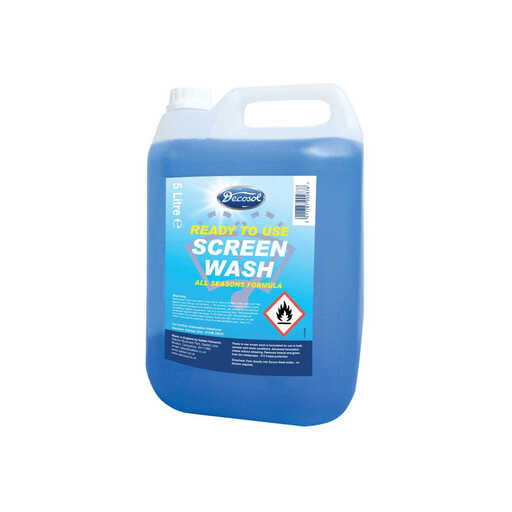
Why This Fits Their Persona: A ready-to-use 5-litre container suits drivers who want straightforward windscreen maintenance without measuring or mixing concentrate.
The pre-diluted formula removes guesswork and states frost protection down to -3°C when used as supplied.
5-litre capacity; ready mixed for direct use; designed to remove road dirt and insect residue.
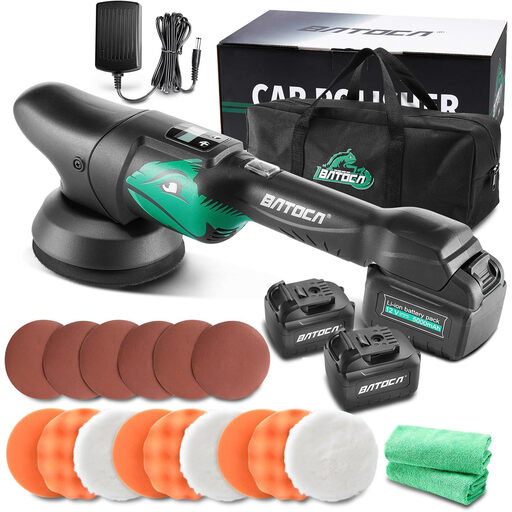
Why This Fits Their Persona: Suitable for vehicle owners and detailers wanting cordless operation, speed adjustment and a larger 125 mm pad for panel work.
Its LCD shows speed and battery information, helping users avoid relying on vague descriptions of machine performance.
2,000–4,500 RPM range; six speeds; two 5Ah batteries; 8 mm eccentric movement.
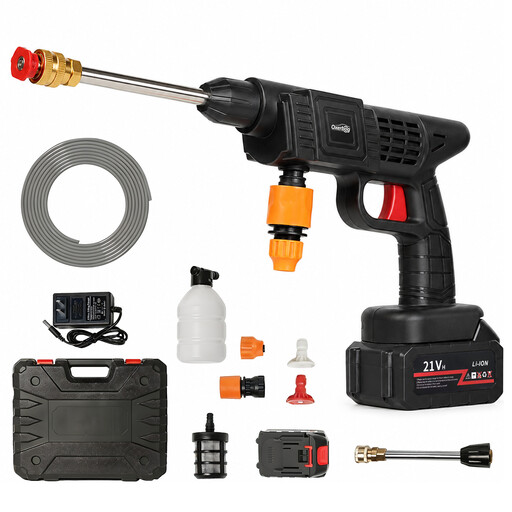
Why This Fits Their Persona: A portable option for motorists cleaning cars, patios, windows or equipment where mains power may not be convenient.
The product information states a 15-minute operating time, making the limitation clearer than an unqualified claim of all-day use.
21V battery system; 5-metre hose; foam bottle, filter and multiple nozzles included.
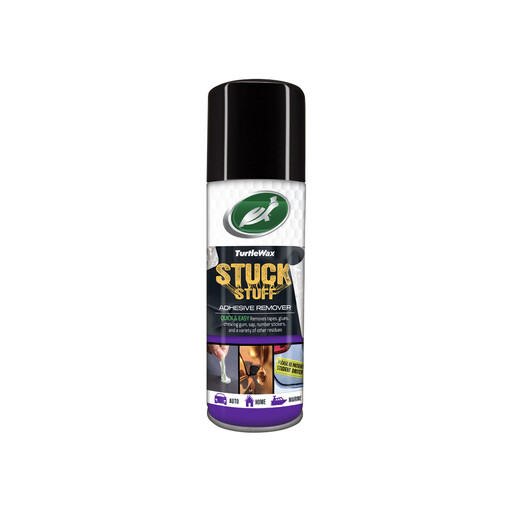
Why This Fits Their Persona: Useful for removing sticker residue, tape, tree sap and chewing gum from selected vehicle and household surfaces.
It provides a stated 1–2 minute softening time and lists compatible materials, reducing the temptation to scrape residue aggressively.
200 ml aerosol format; water-rinseable formula; listed for glass, metal, automotive paintwork and fabric.
A basic wash may be needed every few weeks, depending on mileage, weather and where the vehicle is parked. Screenwash should be topped up when low, while polishing is occasional and should only be used when the paint surface needs correction or gloss improvement.
It can be, because one container may produce several mixtures. However, the actual cost depends on the required dilution, local temperatures and how frequently the vehicle is used. Ready-mixed screenwash is more convenient and removes measuring errors.
No. A machine and suitable compound may improve light swirls, minor scratches and paint transfer. Deep marks, exposed primer or damaged metal usually require professional bodywork rather than repeated polishing. Always begin with a small test area and follow the product instructions.