
24/7 Customer Support

Free returns

Same-day & Next-day Delivery

Quality Guaranteed

Unlock Your Welcome Offers: FREE Delivery | Up to 80% OFF | Free 30-day JoyPlus trial
Download the APP
Keeping a vehicle clean in the UK means dealing with rain, road salt, traffic film, muddy lanes, brake dust and seasonal frost. Car care sprays can make routine maintenance quicker, but choosing the wrong formula may waste money or damage a surface.
This guide explains what to check before buying, which spray suits different motorists and how to avoid common product-selection mistakes.
A product labelled as a general cleaner may still be intended only for particular materials. Paintwork, glass, rubber, fabric, plastic and alloy wheels each have different requirements. For example, an acidic wheel cleaner spray may be suitable for certain wheel finishes but still require careful application, rinsing and label checks.
Likewise, a plastic shine spray may be suitable for dashboards, trim and exterior plastics, but it should not automatically be applied to steering wheels, pedals or other areas where a slippery finish could be unsuitable.
A glossy finish does not always mean a surface has been protected for an extended period. Some products mainly improve appearance, while others contain waxes, polymers or water-repellent ingredients. Check whether the product is intended to clean, shine, seal, repel stains or perform several functions.
A car wax spray can be convenient, but application instructions vary. Some formulas are designed for wet paintwork, while others are intended for dry panels. Using the wrong method may leave streaks or residue.
Waterless products are convenient for light dirt, but they are not a substitute for rinsing heavily caked mud or gritty soil. Rubbing a heavily contaminated panel can increase the chance of marks. Read the usage instructions and choose a conventional wash when the vehicle needs substantial pre-rinsing.
The same principle applies to insect and tar residue: allowing a suitable car insect remover to dwell briefly can be more practical than repeatedly scrubbing the surface.
Look for clear information about where the spray can be used:
When using any new product, apply it to a small, inconspicuous area first. This is particularly important for older, repainted or aftermarket surfaces.
Trigger bottles are useful for targeted cleaning and controlled coverage. Aerosols may spread more widely but require additional care around ventilation, heat and ignition sources. Consider whether the bottle can be used comfortably while wearing gloves during winter.
Also check whether the product must be:
For a waterless car wash spray, keep several clean microfibre cloths available and work in small sections. Do not use the method on heavily soiled areas unless the instructions specifically permit it.
Car cleaning products can contain solvents, surfactants, acids, waxes or fragrance ingredients. Read the label for hazard symbols, ventilation guidance and storage requirements. Keep sprays away from children, pets, food and open flames where applicable.
Fragrance products also need care. For example, automatic air freshener refills may contain flammable aerosols or fragrance allergens such as linalool or limonene. A Freshmatic or other automatic air freshener should be positioned as directed, with the nozzle facing away from people and pets.
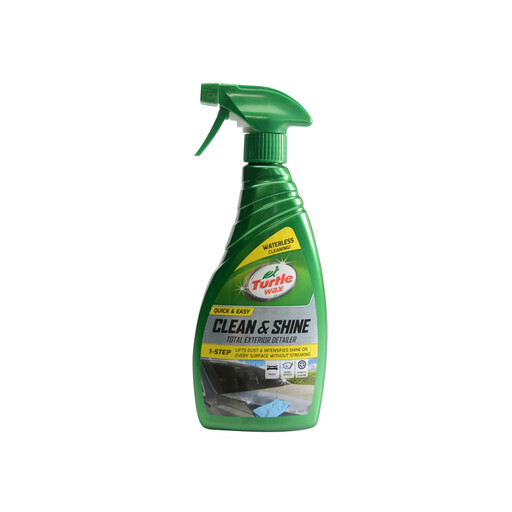
Why This Fits Their Persona: A practical starting point for motorists who want one spray for light exterior cleaning and a wax-enriched finish without buying several separate products.
It is presented as a two-in-one cleaner and wax for light dirt, helping avoid purchasing a separate quick-detailer and spray wax for basic upkeep.
500ml bottle; designed for light dirt and grime on clear coats and metallic paintwork; no bucket or hose required for the stated application.
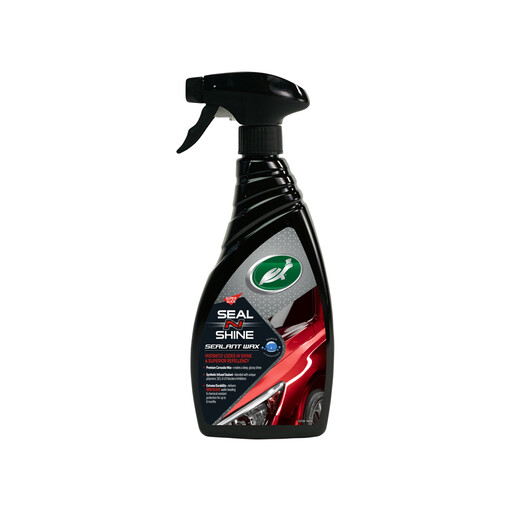
Why This Fits Their Persona: Suits owners who already wash their car regularly and want a dedicated spray sealant step for exterior surfaces.
Its instructions specify application to a freshly washed, wet vehicle followed by rinsing, making the required process clearer than products with vague “instant shine” wording.
Contains hydrophobic sealants and natural carnauba waxes; can be applied across exterior surfaces according to the product description.
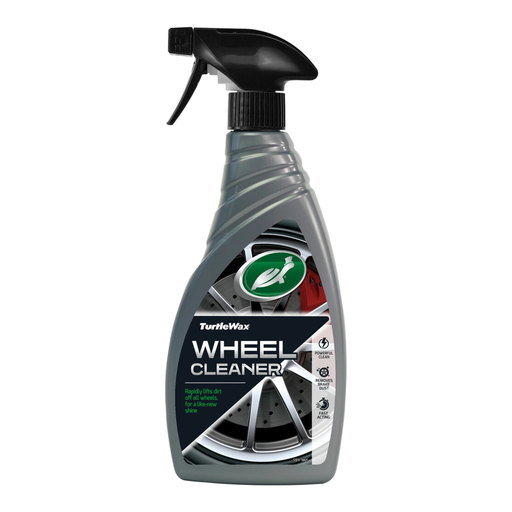
Why This Fits Their Persona: Appropriate for drivers covering high mileages or maintaining vehicles exposed to frequent brake dust, road grime and urban traffic.
It is specifically described for burnt-on brake dust, tar and road grime rather than being marketed as a universal spray for every vehicle surface.
500ml format; acidic formulation; product information states suitability for plastic rims, decals and tyre walls, subject to label directions.
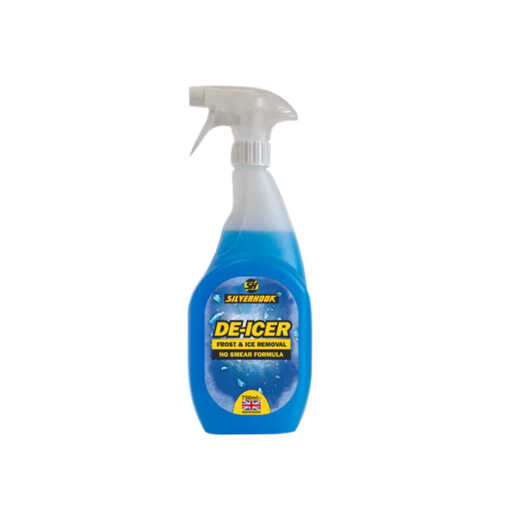
Why This Fits Their Persona: A large trigger bottle for UK motorists who regularly park outside and need a convenient windscreen de-icer spray during frosty weather.
The trigger format offers controlled application, while the 750ml capacity is clearly stated instead of relying on an unspecified “long-lasting” claim.
750ml bottle; product information states operation down to -30°C; designed for frost and ice removal from vehicle windows.
We have compiled a complete, real-time list of products that fully satisfy these strict selection criteria and UK safety regulations.
For light contamination, a waterless car wash spray or exterior detailer can be convenient between full washes. For paint protection, compare a spray wax with a sealant and follow the specified wet- or dry-panel method.
A tyre shine spray can refresh the appearance of sidewalls. Apply it only to clean, dry tyres and allow the surface to dry before driving. Avoid overspray on braking components and check the label for application restrictions.
For interiors, a car fabric protector may be useful on carpets, mats, upholstery and soft-top materials. A plastic-and-vinyl product is more suitable for dashboards and trim. For insects, sap and bird residue, a dedicated car insect remover can be used as a pre-wash or spot cleaner where stated.
The wider selection of automotive detailing products may also include windscreen de-icer spray, interior cleaners and seasonal maintenance formulas. Household shoppers can compare air freshener refills, including Glade Sense & Spray Clean Linen twin refills and Air Wick Linen and Petals Essential Mist refills. These products use different devices, so check refill compatibility before purchasing. Air Wick Freshmatic refills, such as Crisp Linen & Lilac or Lavender Meadow, are intended for compatible automatic air freshener units rather than vehicle cleaning.
Lifespan depends on bottle size, vehicle condition, frequency of use and how much product is applied. A 500ml spray may last through several maintenance sessions, while heavy dirt or larger vehicles will use more. Follow the label and store the bottle as directed.
It is generally intended for light dirt, dust and small marks. If the vehicle has caked-on mud, grit or soil, rinse it first or use a conventional wash. This reduces the need to drag abrasive particles across the paintwork.
No. Refills are designed for specific systems and may differ in size, mechanism and spray pattern. Check the product name and device compatibility before buying, and follow the safety instructions concerning ventilation, heat, children and pets.