
24/7 Customer Support

Free returns

Same-day & Next-day Delivery

Quality Guaranteed

Unlock Your Welcome Offers: FREE Delivery | Up to 80% OFF | Free 30-day JoyPlus trial
Download the APP
A reliable car cooler box is an indispensable companion for anyone in the UK who enjoys a good road trip, a sunny picnic or a weekend camping adventure. For professional drivers, it’s a daily necessity. Yet, the market is filled with options that promise much but deliver little, leading to lukewarm drinks and wasted money. Before you buy, it’s crucial to understand the common traps that catch out unwary buyers.
Many shoppers are swayed by impressive-sounding features that fail in practice. Here are the key issues to watch for:
electric cool box, awkward wheel arches or bulky lids can drastically reduce the area for your food and drinks, making it impossible to fit taller bottles or standard lunch containers.12v car fridge, the motor is its heart. A cheap, inefficient fan is not only noisy enough to disrupt a peaceful drive or a quiet campsite but can also place a significant drain on your vehicle's battery. The last thing you want is to be unable to start your car after a few hours at the beach.To make a smart purchase, focus on the core parameters that determine performance, not the marketing buzzwords. Analysing these three factors will help you find a portable cooler for travel that meets your needs.
Your first decision is choosing between an active cooling system and a traditional insulated box.
12v car fridge or a car cooler and warmer, these units plug into your vehicle's 12V DC outlet (the cigarette lighter socket). They use a semiconductor plate to actively transfer heat out of the box, often allowing them to cool to around 15-20°C below the ambient air temperature. Many can also reverse the process to keep food warm. They are excellent for maintaining the temperature of pre-chilled items during a journey.ice box for car or camping cool box. It relies entirely on high-quality insulation and cooling elements like ice packs or frozen blocks to keep contents cold. A well-made insulated cool box with good PU (polyurethane) foam and a tight seal can keep items cold for days without needing any power, making it ideal for off-grid camping or long days out.Ignore the headline litre number for a moment and think about what you actually need to carry. Will you be storing 2-litre bottles of pop, wine bottles or flat Tupperware containers? Look for internal dimensions or pictures showing the box loaded. A tall, narrow design might be useless for a family picnic cooler, while a wide, flat one might not fit upright bottles. The shape is just as important as the volume.
This is non-negotiable. For passive coolers, look for mentions of high-density PU polyurethane foam, which provides excellent thermal resistance. For all types of coolers, check the lid. It should have a deep lip and a flexible silicone gasket to create an airtight seal. This single feature dramatically reduces air exchange, keeping the cold air in and extending cooling times significantly.
Based on these practical criteria, we've matched several models to different user needs.
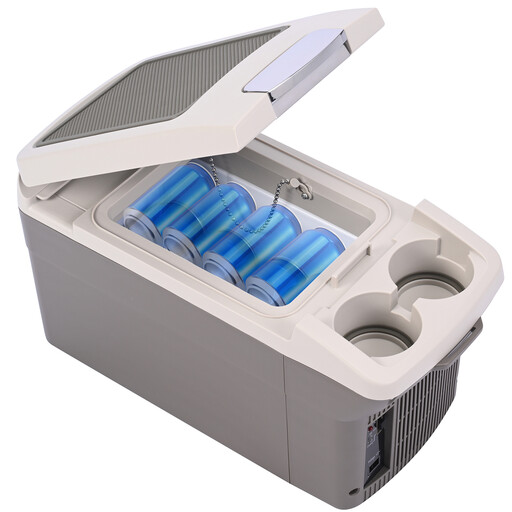
Why This Fits Their Persona: Perfect for keeping a lunch and drinks cool on the way to work or for a solo day trip. Its compact size fits neatly on a passenger seat, and the 12V power ensures everything stays fresh.
It avoids the capacity illusion by being honestly small. Its 6L size is designed for personal use, not family feasts. The quiet brushless fan (approx. 40 dB) also avoids the noisy motor pitfall.
Features a dual cooling and warming function. The built-in cup holders and seat belt slot are practical design touches specifically for in-car use.
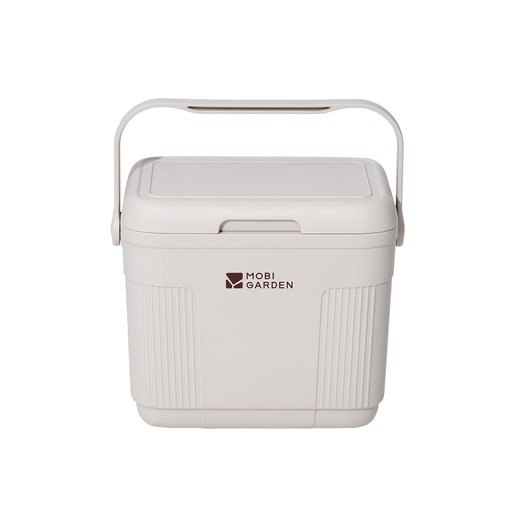
Why This Fits Their Persona: With a 22L capacity, this passive cooler is ideal for a family of 4-6 heading out for a camping trip or a large picnic. It requires no power, offering freedom and reliability at the campsite.
It directly counters the inefficient insulation flaw by using high-density, full-wrap PU foam and a widened silicone gasket on the lid to minimise cold loss and maximise cooling duration.
Offers long-lasting passive cooling (up to 36-48 hours with ice boxes). The food-grade PP body allows direct, safe storage of fresh food and it includes two ice boxes.
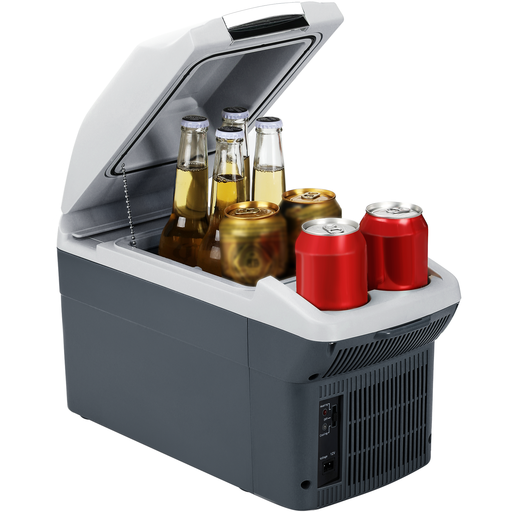
Why This Fits Their Persona: For those who spend their working day on the road, this 9L model offers more capacity for meals and drinks than a personal cooler, without taking up excessive cab space. The warming function is a huge plus for enjoying a hot meal.
It tackles the noise and power drain pitfall with a low-noise design (approx. 40 dB) that won't be a distraction in the cab, ensuring a more comfortable working environment on long shifts.
The 9L capacity is a great middle-ground, offering more space than a personal cooler while remaining vehicle-friendly. The dual cool/warm function adds valuable versatility for all-day use.
We have compiled a complete, real-time list of products that fully satisfy these strict selection criteria and UK safety regulations.
This depends on your vehicle's battery condition, the cooler's power consumption and if the engine is running. Most are designed for use while driving. When the engine is off, a healthy car battery might power a typical thermoelectric cooler for 4-6 hours before you risk having trouble starting the car. For overnight use without the engine on, it is highly recommended to unplug it or use a separate leisure battery system, common in campervans.
The electric models discussed here are thermoelectric coolers. They use a solid-state device to move heat, allowing them to both cool (usually to a set amount below the ambient temperature) and heat. A compressor fridge for a car works just like your kitchen fridge, using a refrigerant and compressor. It can reach and hold true freezing temperatures regardless of how hot it is outside, but these units are typically heavier, more expensive and do not have a warming function.
To maximise the performance of a passive insulated cool box, preparation is key.